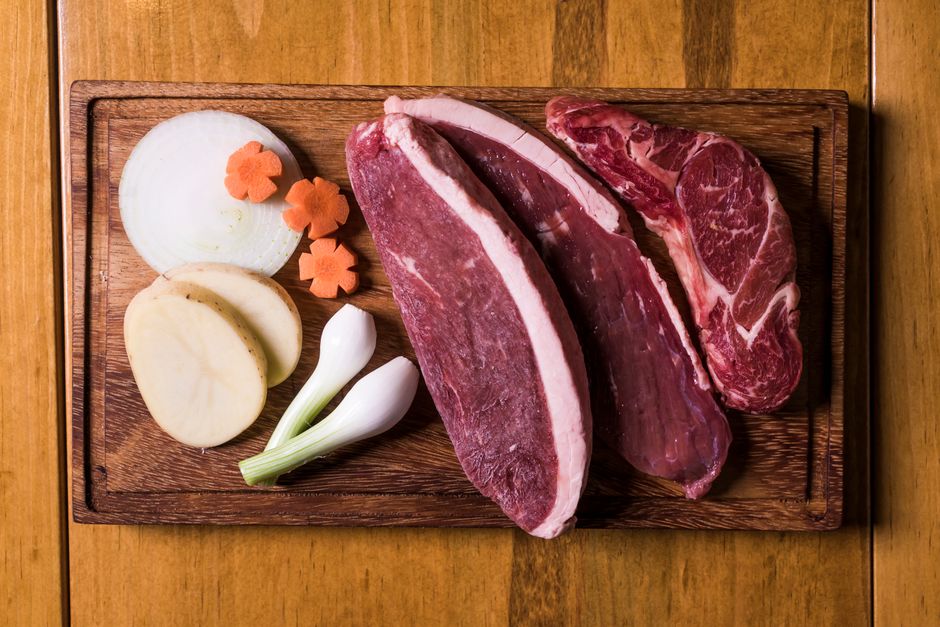
You can lose weight eating beef and potatoes, but the balance of your plate decides whether this classic combo helps or hurts your progress.
Yes, is beef and potatoes good for weight loss depends entirely on portion size, cut of meat, and cooking method. Lean beef provides protein that supports muscle retention, while potatoes offer fiber and potassium that keep you full. The problem is when oversized portions and heavy fats turn a solid meal into a calorie surplus.
Most weight loss advice treats beef and potatoes as villains, yet millions of people successfully lose weight while eating them. The real issue is not the foods themselves but how they are prepared and portioned. This article breaks down the actual numbers, the best cuts and cooking methods, and how to build a beef and potato meal that fits a calorie deficit.
Key Points at a Glance
| Point | What It Means | Why It Matters |
|---|---|---|
| Protein density | Lean beef delivers 25-30 grams of protein per 3.5-ounce serving | Protein preserves muscle and increases fullness during weight loss |
| Potato satiety | Boiled or baked potatoes rank high on the satiety index | They keep you satisfied longer than many other carb sources |
| Calorie control | A reasonable portion is roughly 4 ounces of beef and one medium potato | This combination lands near 400-500 calories depending on preparation |
| Cooking method | Frying adds 100-200 calories per serving from oil | Baking, boiling, or air-frying keeps the meal in your calorie range |
| Nutrient profile | Beef provides iron, zinc, and B12; potatoes provide vitamin C and potassium | Both foods support energy and recovery during a calorie deficit |
What Does the Research Say About Beef for Weight Loss?
Studies consistently show that higher protein diets support weight loss by reducing appetite and preserving lean muscle mass. Beef is one of the most protein-dense foods available, with a 3.5-ounce serving of cooked lean beef providing roughly 25 to 30 grams of complete protein.
Research published in the American Journal of Clinical Nutrition found that diets with adequate protein help people maintain muscle while losing fat. That matters because muscle tissue burns more calories at rest than fat tissue does.
I always choose cuts labeled “loin” or “round” at the butcher counter. They have the least marbling and the most protein per calorie.
Are Potatoes Actually Bad for Weight Loss?
Potatoes get blamed for weight gain, but the evidence tells a different story. A study in the journal Appetite found that boiled potatoes ranked highest on the satiety index, meaning they made people feel fuller than many other foods.
The problem is not the potato itself but how we prepare it. A medium baked potato has roughly 160 calories, while the same potato as french fries has more than double that amount. The fiber in the skin and the resistant starch that forms when potatoes are cooked and cooled both support fullness and gut health.
I roast potato wedges with a light spray of oil and a generous dusting of paprika. They crisp up nicely without turning into a calorie bomb.
Is Beef and Potatoes Good for Weight Loss When Portioned Correctly?
Is beef and potatoes good for weight loss comes down to portion discipline. A weight-loss-friendly serving is about 4 ounces of cooked lean beef and one medium potato, which together provide roughly 400 to 500 calories depending on how they are prepared.
That meal delivers around 35 to 40 grams of protein, 40 grams of carbohydrates, and 10 grams of fat. It keeps you full for hours, which reduces the urge to snack later in the evening.
Practical tip: Fill half your plate with a non-starchy vegetable like broccoli or green beans alongside the beef and potato. This adds volume and fiber for very few calories, making the meal more satisfying without changing the main components.
Which Cooking Methods Keep This Meal Weight-Loss Friendly?
The cooking method changes the calorie content more than the food itself. Grilling, baking, broiling, or pan-searing with minimal oil keeps beef lean and flavorful.
For potatoes, boiling, baking, or air-frying are the best options. Frying potatoes in oil can add 100 to 200 calories per serving, which can push a reasonable meal into surplus territory.
I always trim visible fat from beef before cooking and pat potatoes dry before roasting. Small steps like these save 50 to 100 calories without sacrificing flavor.
How Does This Meal Fit Into a Calorie Deficit?
Weight loss happens when you consistently eat fewer calories than you burn. A beef and potato meal can fit into that deficit as long as you track the total calories for the day.
For most women aiming to lose weight, a daily target between 1,400 and 1,800 calories works well. A 450-calorie beef and potato dinner leaves plenty of room for breakfast, lunch, and snacks.
If you need help finding your personal calorie target, use the TDEE Calculator to estimate your maintenance calories and subtract a modest deficit from there.
Frequently Asked Questions
Related Articles
Can you eat beef every day while losing weight?
Yes, but choose lean cuts and watch portion sizes to stay within your calorie target. Eating beef daily is fine as long as the rest of your diet includes variety and your saturated fat intake stays reasonable.
Are potatoes too high in carbs for weight loss?
No, potatoes are not too high in carbs when eaten in appropriate portions. A medium potato has about 37 grams of carbohydrates, which fits easily into most weight loss meal plans.
What is the best cut of beef for weight loss?
Sirloin, tenderloin, and eye of round are the leanest cuts and provide the most protein per calorie. Ground beef that is at least 93 percent lean also works well for weight loss.
Should you avoid butter and oil when cooking beef and potatoes?
You do not need to avoid them completely, but measuring them is essential. One tablespoon of butter or oil adds about 100 to 120 calories, so use a light hand and track what you add.
How many calories are in a typical beef and potato meal?
A serving of 4 ounces of lean beef and one medium baked potato contains roughly 350 to 400 calories. Adding oil, butter, or sauces increases that number significantly.
Is it better to eat beef and potatoes before or after a workout?
Eating this meal after a workout supports muscle recovery with protein and replenishes glycogen with carbohydrates. It also works well as a pre-workout meal if eaten two to three hours beforehand.

The TDEECAL Team writes about nutrition, metabolism, and fat loss the way we built our calculator, with real numbers and no hype. We dig into the research so you don’t have to guess.