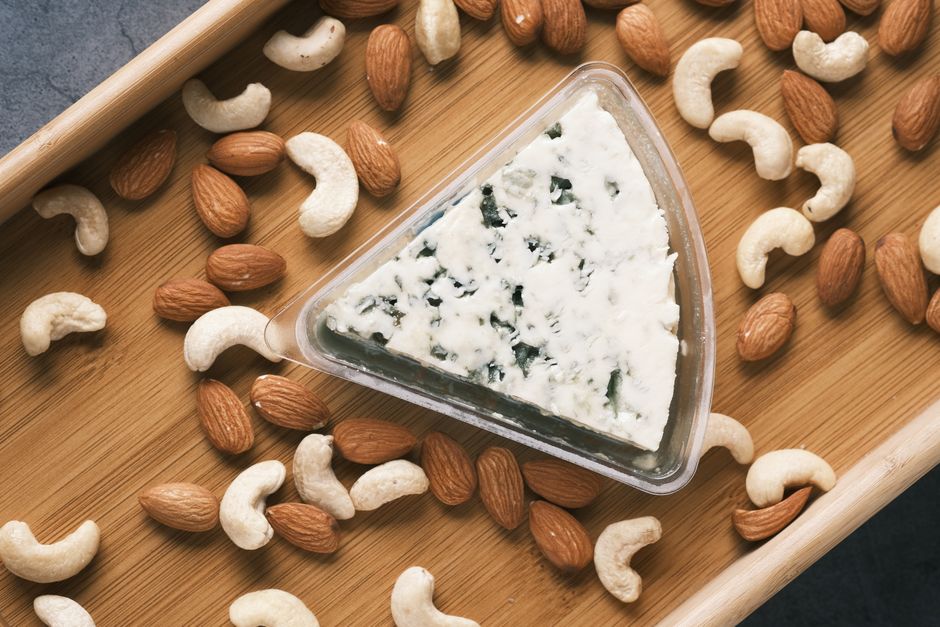
Most people assume cheese is the enemy of weight loss, yet blue cheese often appears on charcuterie boards and salad toppings without a second thought. The truth is that blue cheese offers a surprising combination of protein, calcium, and bold flavor that can actually support a weight loss plan when used strategically.
Is blue cheese healthy for weight loss? Yes, in moderation. Blue cheese provides roughly 100 calories per ounce with about 6 grams of protein and 8 grams of fat, making it a satisfying addition to meals when portioned correctly. Its intense flavor means a small amount goes a long way, which can help you control portions while still enjoying rich taste.
Most weight loss advice tells you to cut cheese entirely, but that approach often backfires. Restriction leads to cravings, and cravings lead to overeating later. This article covers the actual nutritional profile of blue cheese, how it compares to other cheeses, and practical ways to include it without sabotaging your calorie goals.
Key Points at a Glance
| Point | What It Means | Why It Matters |
|---|---|---|
| Calorie density | About 100 calories per ounce | Easy to overeat if not measured |
| Protein content | 6 grams per ounce | Supports fullness and muscle maintenance |
| Fat profile | Mostly saturated fat | Use sparingly within daily fat limits |
| Flavor intensity | Strong, pungent taste | Small portions satisfy cravings quickly |
| Calcium source | 150 mg per ounce | Contributes to daily calcium needs |
What Is the Nutritional Profile of Blue Cheese?
Blue cheese delivers more protein per calorie than many people expect. A one-ounce serving, which is about the size of two dice, contains roughly 100 calories, 6 grams of protein, 8 grams of fat, and less than 1 gram of carbohydrates. The sodium content runs around 380 milligrams per ounce, which matters if you track salt intake for blood pressure reasons.
The fat in blue cheese is primarily saturated, so it should fit within your overall daily fat allowance rather than being treated as a free food. Some research suggests that the calcium in dairy products may support fat metabolism, though the evidence is not strong enough to claim blue cheese directly burns fat. I always weigh my portion rather than eyeballing it — crumbles are deceptively easy to overpour.
How Does Blue Cheese Compare to Other Cheeses for Weight Loss?
Blue cheese sits in the middle of the cheese spectrum for calorie density. Cheddar contains about 115 calories per ounce, while mozzarella has roughly 85 calories per ounce. Parmesan is similar to blue cheese at around 110 calories per ounce but with slightly more protein at 10 grams.
The advantage blue cheese has over milder varieties is portion control through flavor. You need less blue cheese to taste it in a dish, which naturally reduces how much you use. A tablespoon of crumbled blue cheese on a salad adds about 30 calories, while the same volume of shredded cheddar adds closer to 50 calories and provides less flavor impact.
Is Blue Cheese Healthy for Weight Loss When Eaten Daily?
Daily consumption of blue cheese can fit into a weight loss plan if you control portions and account for the calories. One ounce per day adds up to about 700 calories per week, which is manageable within most calorie budgets. The protein and fat content help stabilize blood sugar and reduce cravings between meals.
The bigger risk is portion creep. It is easy to add an extra sprinkle here and there, which silently adds 50 to 100 calories per day. A food scale removes the guesswork, and measuring once a week helps you recalibrate your eye for what one ounce actually looks like.
Some studies indicate that full-fat dairy may be associated with lower obesity risk compared to reduced-fat dairy, though the mechanism is not fully understood. This does not mean blue cheese is a free food, but it suggests you do not need to choose fat-free versions to lose weight.
What Are the Best Ways to Eat Blue Cheese While Losing Weight?
Use blue cheese as a flavor accent rather than the main ingredient. A teaspoon of crumbled blue cheese on roasted Brussels sprouts, a small amount melted into a sauce for vegetables, or a sprinkle over a broth-based soup all deliver flavor without excessive calories. Pair it with high-volume foods like leafy greens or cruciferous vegetables to keep meals filling.
Watch out for common pairings that undermine weight loss efforts. Blue cheese dressing at restaurants often contains added sugar and oil, pushing a serving to 150 calories or more. Buffalo wings with blue cheese dip combine fried food with calorie-dense sauce, which can easily exceed 800 calories for a single appetizer.
I keep a small container of blue cheese crumbles in my fridge and use a measuring spoon every time. It takes five extra seconds and prevents the mindless sprinkling that adds up over a week.
Frequently Asked Questions
Related Articles
Can blue cheese help with weight loss?
Blue cheese can support weight loss when eaten in controlled portions because its protein and fat promote fullness. The strong flavor means you need less cheese to satisfy cravings compared to milder varieties.
How many calories are in one serving of blue cheese?
A standard one-ounce serving of blue cheese contains roughly 100 calories, with about 6 grams of protein and 8 grams of fat. Calorie counts vary slightly by brand and moisture content, so check the label when precision matters.
Is blue cheese better than cheddar for weight loss?
Blue cheese has slightly fewer calories per ounce than cheddar, but both can fit into a weight loss plan. Blue cheese may be easier to portion control because its stronger flavor requires smaller amounts.
Can I eat blue cheese every day on a calorie deficit?
Yes, one ounce of blue cheese per day can fit within most weight loss calorie budgets. Track it like any other food and adjust other meals to stay within your daily target.
Is blue cheese dressing healthy for weight loss?
Store-bought blue cheese dressing is often high in calories, with some brands exceeding 150 calories per two-tablespoon serving. Making your own with Greek yogurt and a small amount of blue cheese crumbles creates a lower-calorie alternative.
Does blue cheese cause bloating or water retention?
Blue cheese contains sodium, which can cause temporary water retention in sensitive individuals. Its lactose content is low compared to fresh cheeses, so many people with mild lactose intolerance tolerate it better than milk or soft cheeses.
Blue cheese is not a magic weight loss food, but it is also not something you need to avoid completely. Use it deliberately, measure your portions, and let its strong flavor work in your favor. For personalized calorie targets that fit your body and goals, use the TDEE Calculator to establish your maintenance calories and create a sustainable deficit.

The TDEECAL Team writes about nutrition, metabolism, and fat loss the way we built our calculator, with real numbers and no hype. We dig into the research so you don’t have to guess.