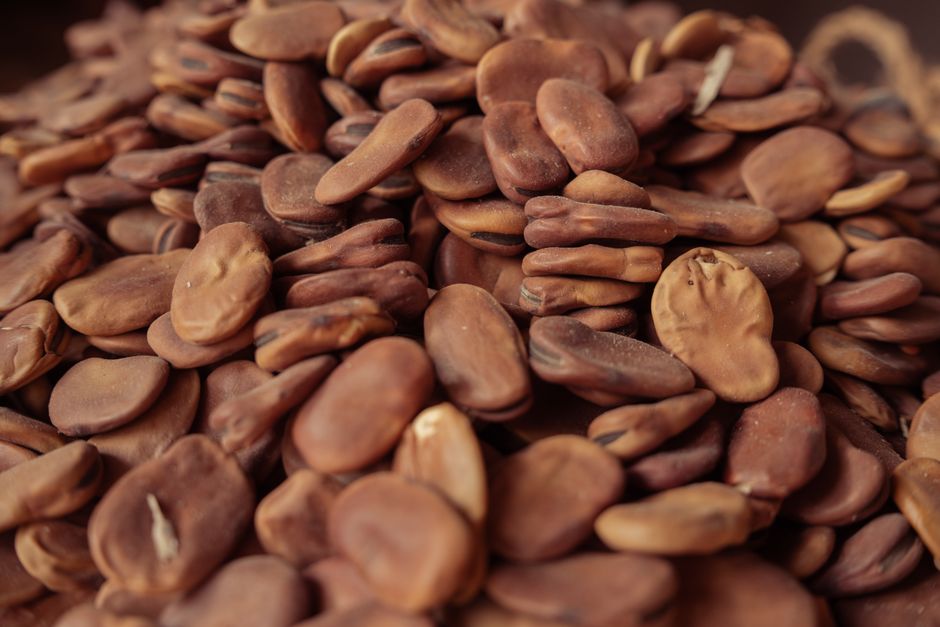
Butter Beans and Weight Loss: The Honest Answer
Butter beans are good for weight loss because they deliver protein and fiber in a low-calorie package that keeps you full for hours. A half-cup serving has roughly 100 to 130 calories, about 7 grams of protein, and 6 grams of fiber. That combination is rare in foods that taste this creamy. If you are tired of bland diet food, these beans might be the answer.
Most weight loss advice focuses on what to cut out. Butter beans flip that script. They add volume and satisfaction to meals without blowing your calorie budget. The result is that you eat less overall without feeling deprived.
Here is what this guide covers that generic search results miss. You will learn the exact nutrition numbers, how butter beans compare to other weight loss staples, and the common mistakes people make when adding them to their diet. No hype. No miracle claims. Just what the research actually says.
Key Points at a Glance
| Point | What It Means | Why It Matters |
|---|---|---|
| Calorie density | Roughly 100–130 calories per half-cup cooked | Low enough for daily weight loss meals |
| Protein content | About 7 grams per half-cup | Supports muscle retention while losing fat |
| Fiber content | About 6 grams per half-cup | Slows digestion and controls hunger |
| Satiety effect | High fullness rating compared to other carbs | Helps you eat fewer calories overall |
| Blood sugar impact | Low glycemic index | Prevents energy crashes that trigger cravings |
Is Butter Beans Good for Weight Loss Compared to Other Foods?
Butter beans outperform many common weight loss staples on the satiety scale. Research consistently shows that beans and legumes rank among the most filling foods per calorie. A study published in the journal Appetite found that participants who ate legumes felt fuller and ate less at their next meal compared to those who ate pasta or bread with the same calories.
The protein in butter beans matters more than most people realize. When you cut calories, your body can break down muscle tissue for energy. Getting enough protein helps preserve that muscle, which keeps your metabolism running. Butter beans deliver plant protein that counts toward your daily total, though they are not a complete protein on their own.
Pairing butter beans with a grain like rice or a small amount of meat creates a complete amino acid profile. I always add a spoonful of olive oil and a pinch of smoked paprika when I cook them. That small touch makes a noticeable difference in how satisfied I feel after eating.
How Many Calories Are in Butter Beans?
A half-cup of cooked butter beans contains roughly 100 to 130 calories depending on preparation. Canned versions without added salt or sugar sit at the lower end. Home-cooked beans from dried form give you the most control over sodium and additives.
The macronutrient breakdown matters for weight loss. That same half-cup serving delivers about 7 grams of protein, 6 grams of fiber, and 20 grams of carbohydrates. The fiber-to-carb ratio is excellent. Most of the carbs are complex, meaning they digest slowly and keep your blood sugar steady.
One warning: the calories climb quickly if you add fatty ingredients. Butter beans cooked with bacon, cream, or heavy butter can double or triple in calorie count. The bean itself is not the problem. What you add to it is.
How Much Protein Do You Need to Lose Weight?
Research suggests that higher protein intakes help with weight loss by reducing appetite and preserving muscle. A common clinical guideline is 0.8 grams of protein per kilogram of body weight for general health. For weight loss, some studies suggest going higher, around 1.2 to 1.6 grams per kilogram.
Butter beans can help you hit those targets, but they should not be your only protein source. A half-cup gives you 7 grams. You would need several cups to reach your full daily protein goal. That is a lot of beans and a lot of calories.
Use butter beans as a supporting player. Combine them with eggs, chicken, fish, Greek yogurt, or tofu to reach your protein goals. This approach keeps meals interesting and ensures you get all the essential amino acids your body needs.
Common Mistakes When Adding Butter Beans to Your Diet
The biggest mistake is eating them straight from the can without rinsing. Canned beans are packed in a salty liquid that can add hundreds of milligrams of sodium to your meal. A quick rinse under cold water removes much of that excess salt.
The second mistake is portion distortion. Butter beans are healthy, but they are not calorie-free. A full cup has around 200 to 260 calories. Eating three cups as a snack adds up fast. Measure your portions, especially when you are first starting out.
The third mistake is expecting instant results. No single food causes weight loss. Butter beans work because they support a calorie deficit. If you eat them in addition to your normal meals without cutting anything else, you will gain weight. They replace other foods, not add to them.
How to Add Butter Beans to Your Weekly Meal Plan
Start with simple preparations. Toss rinsed butter beans into salads for a protein boost. Blend them into soups for a creamy texture without cream. Mash them with garlic and lemon for a quick spread on whole grain toast.
Meal prepping makes the difference between success and failure. Cook a large batch of dried butter beans on Sunday and refrigerate them for the week. They keep for about four to five days. Frozen they last for months.
I keep a container of cooked butter beans in my fridge at all times. When hunger hits, I have a healthy option ready instead of reaching for processed snacks. That single habit has made weight loss far easier than any complicated diet plan.
Frequently Asked Questions
Related Articles
Are butter beans good for weight loss?
Yes, butter beans support weight loss through their combination of protein, fiber, and low calorie density. They help you feel full on fewer calories, which makes maintaining a calorie deficit easier.
How many calories are in butter beans?
A half-cup of cooked butter beans contains roughly 100 to 130 calories depending on preparation. Canned beans with added fats or sauces will be higher in calories.
Can you eat butter beans every day?
Yes, eating butter beans daily is safe and healthy for most people. The fiber content supports digestion, though you may want to increase intake gradually to avoid bloating.
Are canned butter beans as healthy as dried?
Canned butter beans are nearly as healthy as dried, provided you rinse them to reduce sodium. Dried beans give you more control over salt and additives but require more preparation time.
Do butter beans cause bloating?
Some people experience bloating when first adding beans to their diet because of the fiber content. Soaking dried beans thoroughly and increasing portions gradually usually reduces this effect.
Are butter beans a good source of protein for weight loss?
Butter beans provide about 7 grams of protein per half-cup, which is solid for a plant food. They work best combined with other protein sources to meet your daily needs.
Remember to calculate your personal calorie needs before planning meals around butter beans. Your specific numbers depend on your age, weight, height, and activity level. Use our TDEE calculator to get an accurate starting point for your weight loss journey.

The TDEECAL Team writes about nutrition, metabolism, and fat loss the way we built our calculator, with real numbers and no hype. We dig into the research so you don’t have to guess.