Cornstarch is a pantry staple that often gets labeled as “empty calories,” but the real story is more nuanced than that. The short answer is that cornstarch is not good for weight loss when used as a main ingredient, though it can fit into a weight management plan in small amounts.
The direct answer to whether is cornstarch good for weight loss is no, not really. Cornstarch is almost pure refined carbohydrate with very little protein, fiber, or other nutrients, which means it digests quickly and can spike blood sugar. For weight loss, foods that keep you full longer and provide more nutrition per calorie are generally better choices. However, using a teaspoon in a recipe to thicken a sauce won’t derail your progress by itself.
Most people don’t think about cornstarch until they’re reading a recipe for stir-fry sauce or gravy. The confusion comes from the fact that it’s a common ingredient, yet it behaves very differently from whole grains or vegetables. This article breaks down the calorie content, how it affects your body, and practical ways to use it without sabotaging your goals.
Key Points at a Glance
| Point | What It Means | Why It Matters |
|---|---|---|
| Calorie density | About 30 calories per tablespoon | Easy to add calories without feeling full |
| Nutrient content | Almost zero protein, fiber, or vitamins | Replaces more nutritious thickening options |
| Blood sugar impact | High glycemic index, digests quickly | May cause energy crashes and hunger soon after eating |
| Practical use | Small amounts in cooking are fine | Portion control matters more than avoiding it completely |
What Is Cornstarch and How Many Calories Does It Have?
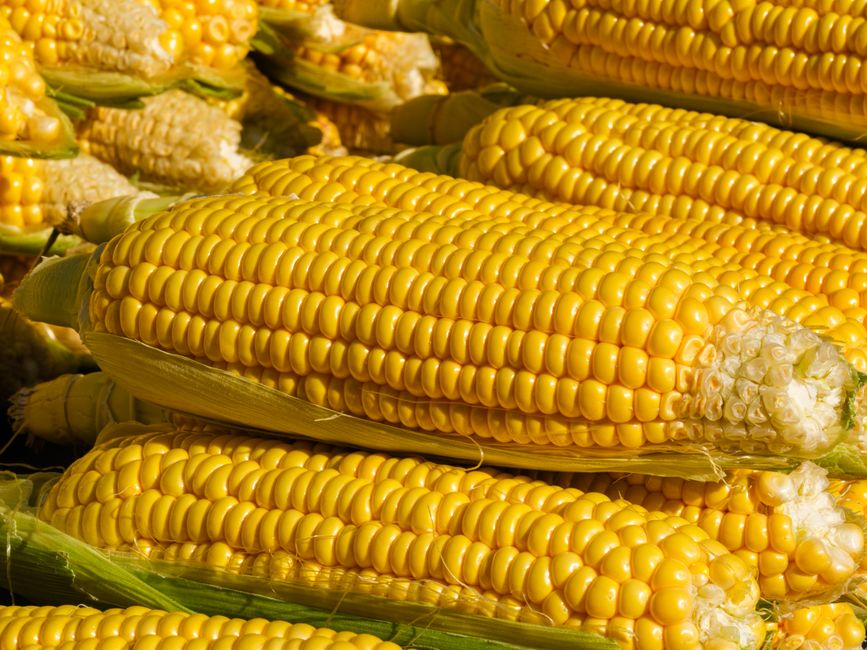
Cornstarch is the finely ground endosperm of corn kernels. The milling process strips away the bran and germ, leaving behind pure starch. That’s why it has a powdery texture and dissolves easily into liquids when heated.
One tablespoon of cornstarch contains roughly 30 calories, all from carbohydrates. For comparison, the same amount of all-purpose flour has about 28 calories but also provides a small amount of protein. The difference seems tiny, but cornstarch is more concentrated because it’s almost entirely starch with no fiber to slow digestion.
I keep a jar in my pantry for thickening soups and fruit pies. A single tablespoon is usually enough for a full pot of soup, so the calorie impact stays minimal when used this way.
Is Cornstarch Good for Weight Loss Compared to Other Thickeners?
When you compare thickening agents, cornstarch sits at the bottom for nutritional value. Arrowroot powder, tapioca starch, and whole wheat flour all provide slightly more minerals or fiber. But the practical differences are small when you’re only using a tablespoon or two per recipe.
The bigger issue is what cornstarch replaces in your diet. If you use it to thicken a sauce made with butter and cream, the cornstarch isn’t the problem. If you’re eating cornstarch-based pudding or using it to coat fried foods, the calories add up fast because those preparations usually include sugar or oil.
Some research suggests that resistant starch, which forms when cooked and cooled starches are eaten, may support gut health and blood sugar control. But cornstarch is not a significant source of resistant starch in typical cooking amounts. The evidence for weight loss benefits from resistant starch is still mixed and doesn’t apply to normal cornstarch use.
How Cornstarch Affects Blood Sugar and Hunger
Cornstarch has a high glycemic index, meaning it raises blood sugar quickly after eating. Your body releases insulin to bring blood sugar down, and that rapid drop can trigger hunger within a couple of hours. This is why a meal made mostly of refined starch often leaves you reaching for snacks sooner than a meal with protein and fiber.
Studies have found that meals with a lower glycemic load tend to support better appetite control. This doesn’t mean you must avoid cornstarch entirely. It means pairing it with protein, fat, or fiber helps blunt the blood sugar spike. A stir-fry with chicken and vegetables thickened with cornstarch will affect your body very differently than a bowl of plain cornstarch pudding.
One thing I’ve noticed in my own cooking is that cornstarch-thickened sauces cling better to food, which means you can use less sauce overall. That’s a small win, but it doesn’t change the fact that cornstarch itself offers no satiety benefits.
If you’re tracking calories, measure cornstarch with a measuring spoon rather than estimating. A “dash” can easily turn into two tablespoons, which adds 60 calories you didn’t plan for.
Is Cornstarch Good for Weight Loss When Used in Cooking?
Using cornstarch in normal cooking amounts is unlikely to affect your weight loss progress. A teaspoon or tablespoon per recipe spreads across multiple servings, so each portion gets only a few calories from the cornstarch. The problem arises when cornstarch becomes a main ingredient rather than a minor helper.
Foods like cornstarch noodles, some Asian desserts, and battered fried items contain much larger amounts. A single serving of cornstarch noodles can contain 200 or more calories with no protein or fiber to keep you full. These foods are easy to overeat because they don’t trigger the same fullness signals as whole foods.
The evidence is clear that whole, minimally processed foods support weight loss better than refined starches. Cornstarch is a refined starch, so it belongs in the “use sparingly” category. That doesn’t make it toxic or forbidden. It just means it shouldn’t be a staple in a weight loss diet.
Practical Ways to Use Less Cornstarch
You can often replace cornstarch with alternatives that add nutrition. Ground flaxseed, chia seeds, or pureed vegetables like cauliflower can thicken sauces while adding fiber and micronutrients. These swaps work best in soups and stews where the texture change is less noticeable.
For gravies and stir-fry sauces, try using less liquid in the first place so you need less thickener. Reducing the sauce by simmering it longer concentrates flavor without adding any calories. This is a simple technique that makes a real difference in how much thickener you need.
If you do use cornstarch, mix it with cold water first to make a slurry. Adding it directly to hot liquid causes lumps that are hard to fix. A smooth sauce means you’re less likely to add extra cornstarch to fix the texture.
Frequently Asked Questions
Related Articles
Is cornstarch good for weight loss at all?
No, cornstarch is not good for weight loss because it provides calories without fiber or protein. It can fit into a weight loss diet in small amounts, but it offers no direct benefits for losing weight.
How many calories are in a tablespoon of cornstarch?
A tablespoon of cornstarch contains about 30 calories. That’s similar to flour but with virtually no protein or other nutrients.
Can cornstarch cause weight gain?
Cornstarch can contribute to weight gain if you eat large amounts regularly. The calories add up quickly because it’s easy to consume without feeling full.
What is the best substitute for cornstarch when losing weight?
Ground flaxseed, chia seeds, or pureed vegetables are better substitutes because they add fiber and nutrients. These options also help you feel fuller for longer.
Does cornstarch spike blood sugar?
Yes, cornstarch has a high glycemic index and raises blood sugar quickly. Pairing it with protein, fat, or fiber can help slow that rise.
Is cornstarch gluten-free?
Yes, cornstarch is naturally gluten-free. It’s a safe thickener for people with celiac disease or gluten sensitivity.
Cornstarch is not a weight loss food, but it’s also not a villain. The key is using it in small amounts while building meals around protein, vegetables, and whole grains. If you’re tracking calories, accounting for the cornstarch in your recipes keeps your numbers honest. For a more personalized look at your calorie needs, try our TDEE Calculator to see what daily intake supports your goals.

The TDEECAL Team writes about nutrition, metabolism, and fat loss the way we built our calculator, with real numbers and no hype. We dig into the research so you don’t have to guess.