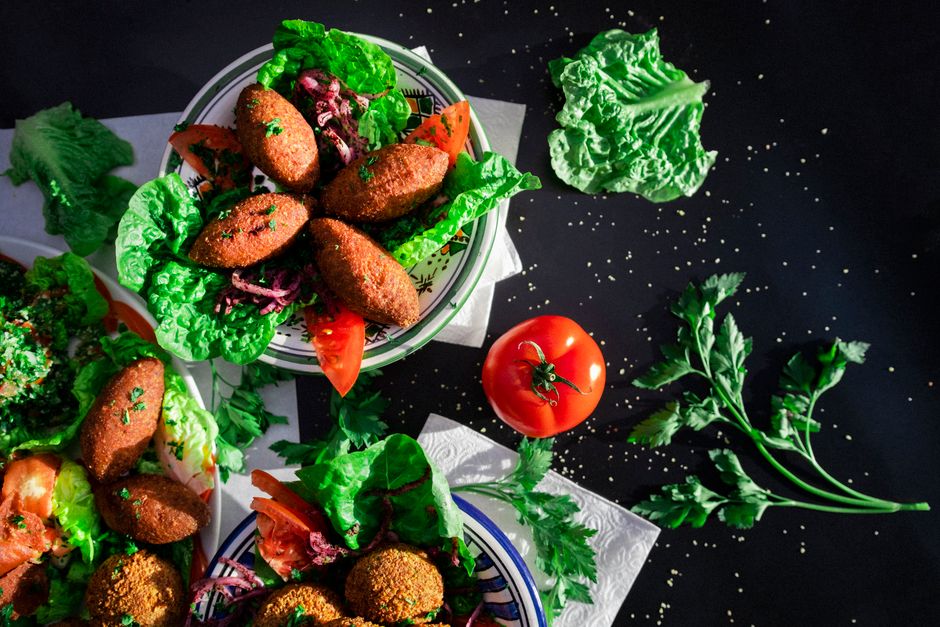
Falafel has a tricky reputation. Those crispy chickpea balls look healthy, but frying often makes people wonder if they derail weight loss before you even take a bite.
Is falafel good for weight loss? Yes, falafel can fit into a weight loss diet when baked instead of fried and paired with vegetables rather than heavy sauces. A standard serving of baked falafel contains roughly 150 to 180 calories with about 6 grams of protein and 4 grams of fiber, which supports fullness. The key is preparation method and portion control, not avoiding falafel entirely.
Most nutrition advice online either celebrates falafel as a superfood or dismisses it as a fried calorie bomb. The truth sits in the middle, and it depends entirely on how you make it and what you serve alongside it. This article breaks down the actual calorie math, the protein and fiber content, and the smartest ways to eat falafel when weight loss is your goal.
You will also learn why restaurant falafel differs so much from homemade versions and how to make simple swaps that keep the flavor without the extra oil.
Key Points at a Glance
| Point | What It Means | Why It Matters |
|---|---|---|
| Preparation method | Baked falafel has about half the calories of fried | Frying adds roughly 60 to 80 calories per serving from absorbed oil |
| Fiber content | Chickpeas provide 4 to 5 grams of fiber per serving | Fiber slows digestion and helps you feel full longer |
| Protein quality | Falafel offers plant-based protein but is incomplete alone | Pair with tahini or yogurt sauce to round out amino acids |
| Portion size | 3 to 4 pieces is a reasonable serving | Restaurant portions often double this and add pita and fries |
| Sauce choices | Tahini and yogurt add calories quickly | Measure sauces or swap for lemon and herbs to save 100+ calories |
How Many Calories Are in Falafel?
One standard falafel ball made from chickpeas weighs about 17 grams. A baked version contains roughly 50 to 60 calories, while a deep-fried piece comes in around 70 to 80 calories. That difference adds up fast when you eat four or five pieces at a meal.
Restaurant falafel is almost always fried. Many Mediterranean spots also serve it with pita bread, hummus, and tahini sauce, which can push a single meal past 800 calories. Homemade baked falafel with a side salad and a light yogurt sauce stays closer to 350 to 400 calories total.
Is Falafel Good for Weight Loss Compared to Other Protein Sources?
Falafel provides about 3 grams of protein per piece, which is modest compared to chicken or fish. However, the fiber content is where falafel shines. Chickpeas deliver resistant starch that feeds gut bacteria and promotes satiety hormones that reduce hunger between meals.
Research on legume consumption consistently links regular intake to better weight management. Some studies suggest that replacing animal protein with legumes a few times per week supports lower body weight over time, though the effect is modest. Falafel can be part of that pattern, especially when you skip the pita and use lettuce wraps instead.
The bigger issue is what you eat with falafel. A plate of falafel with fresh vegetables and a small amount of tahini is a balanced meal. The same falafel stuffed into a large pita with fries and soda becomes a different story entirely.
What Makes Falafel High or Low in Calories?
Three factors determine whether falafel helps or hurts your weight loss efforts. First is the cooking method, which can double the calorie count. Second is the serving size, since restaurant portions often contain six to eight pieces rather than three or four. Third is the accompaniments, which frequently add more calories than the falafel itself.
The chickpea base itself is nutritious and low in calories. The problem is almost always the frying oil and the sauces. A tablespoon of tahini adds about 90 calories, and a typical restaurant drizzle can easily be two to three tablespoons.
Baking falafel at home gives you control over all three factors. You can also air-fry falafel with minimal oil, which produces a crispy exterior without the added fat of deep frying.
How to Make Falafel Part of a Weight Loss Meal Plan
Start with a reasonable portion of three to four falafel pieces. Add a generous serving of non-starchy vegetables like cucumber, tomato, and shredded cabbage. Use a light dressing made from lemon juice, olive oil, and herbs instead of heavy tahini.
If you want more protein, add grilled chicken or a boiled egg on the side. This rounds out the amino acid profile of the chickpeas and increases the satiety of the meal. A side of Greek yogurt also works well and adds probiotics.
Track your total meal calories using a calculator that accounts for your personal maintenance needs. Knowing your daily target makes it easier to see where falafel fits without guessing.
You can also use our TDEE calculator to find your maintenance calories and create a modest deficit that supports steady weight loss.
Frequently Asked Questions
Related Articles
Is falafel good for weight loss if it is fried?
Fried falafel still fits into a weight loss diet, but it adds roughly 60 to 80 extra calories per serving from oil. Limit fried falafel to an occasional treat and choose baked or air-fried versions for regular meals.
How much falafel should I eat to lose weight?
A serving of three to four falafel pieces is reasonable for most women on a weight loss plan. Pair it with vegetables and a lean protein source to create a balanced meal under 500 calories.
Is falafel healthier than chicken?
Falafel is not inherently healthier than chicken, but it offers more fiber and plant-based nutrients. Chicken provides more protein per calorie, so choose based on your overall meal balance rather than assuming one is superior.
Can I eat falafel every day while dieting?
Eating falafel daily is possible if you bake it and control portions and sauces. Variety in your protein sources is still important for nutrient diversity, so rotate falafel with other legumes, fish, and lean meats.
What is the healthiest sauce for falafel?
A lemon-tahini sauce made with one part tahini and two parts lemon juice is the healthiest option. Greek yogurt mixed with garlic and herbs also works well and adds protein for about 30 calories per tablespoon.

The TDEECAL Team writes about nutrition, metabolism, and fat loss the way we built our calculator, with real numbers and no hype. We dig into the research so you don’t have to guess.