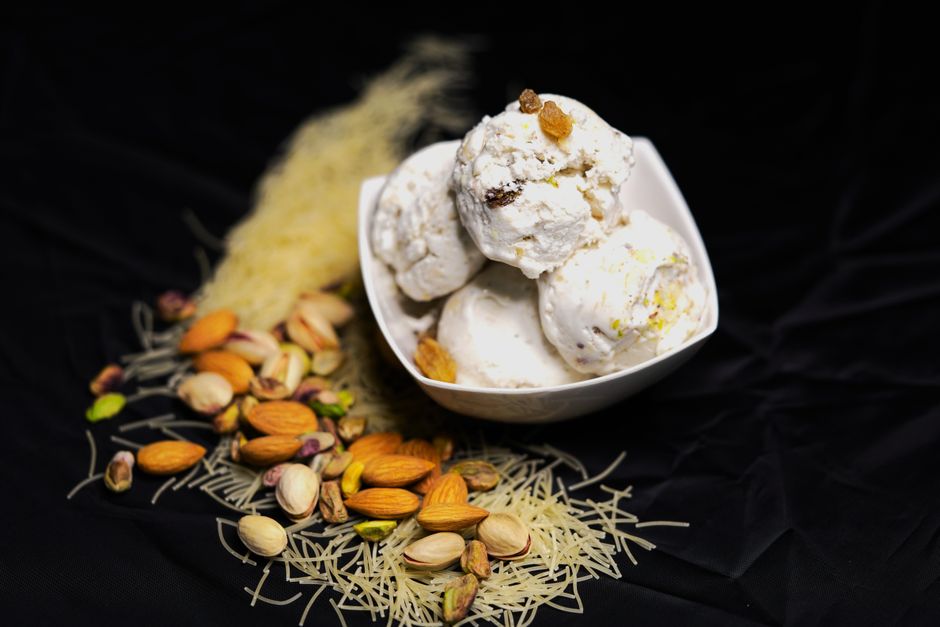
That tall glass of falooda looks like a dessert, but it’s often sold as a refreshing drink. The truth is that falooda is a high-calorie, high-sugar treat that works against weight loss when eaten regularly.
So, is falooda good for weight loss? No, falooda is not good for weight loss. A typical serving packs 300 to 500 calories or more, mostly from sugar, sweet basil seeds, and vermicelli noodles. It lacks the protein and fiber needed to keep you full, so you get a quick sugar spike followed by a crash that leaves you hungry again.
Most people don’t realize how much sugar is hiding in that pretty glass. This article breaks down the actual ingredients, the calorie math, and what to order instead when you want something cold and sweet.
Key Points at a Glance
| Point | What It Means | Why It Matters |
|---|---|---|
| Calorie load | 300-500+ calories per serving | One falooda can equal a full meal’s calories |
| Sugar content | 40-60 grams of sugar per glass | Exceeds the daily added sugar limit in one drink |
| Nutritional value | Low protein, low fiber | Leaves you hungry shortly after drinking it |
| Satiety factor | Liquid calories don’t register as food | Your brain doesn’t compensate by eating less later |
| Occasional treat | Fine once in a while | Regular consumption directly undermines weight loss efforts |
What Is Actually in a Glass of Falooda?
Falooda starts with a base of milk or ice cream, then adds vermicelli noodles, sweet basil seeds (sabja), and rose syrup. Many versions also include jelly cubes, nuts, or a scoop of kulfi on top. Each ingredient adds calories without adding meaningful nutrition.
The rose syrup is the biggest hidden problem. It’s essentially sugar, water, and artificial flavoring. A few tablespoons of rose syrup alone can deliver 30 to 50 grams of sugar before you even account for the ice cream and sweetened milk.
When I make a lighter version at home, I skip the syrup entirely and use a few drops of rose water instead. You get the flavor with almost no sugar.
How Many Calories Are in Falooda?
A standard restaurant falooda contains roughly 350 to 500 calories. If it includes a scoop of ice cream or kulfi, that number climbs to 500 or even 600 calories. For someone eating 1,500 to 1,800 calories a day for weight loss, one falooda can use up a third of your entire daily budget.
Compare that to a filling meal. A grilled chicken salad with olive oil dressing comes in around 400 calories and keeps you satisfied for hours. The falooda gives you the same calories but leaves you craving more within an hour.
Why Liquid Sugar Sabotages Weight Loss
Your body processes liquid calories differently than solid food. Studies show that sugary drinks don’t trigger the same fullness signals as solid food with the same calories. You drink 400 calories of falooda, but your brain doesn’t register that you’ve eaten anything substantial.
This matters because weight loss comes down to staying in a calorie deficit. A falooda makes that deficit harder to maintain because it adds calories without reducing your appetite. You end up eating your normal meals on top of the drink, pushing you over your daily target.
Some research suggests that high sugar intake also drives cravings later in the day. The rapid blood sugar spike and crash can make you reach for more carbs a few hours after finishing the glass.
Is Falooda Good for Weight Loss If You Make It Healthier?
You can make a lighter falooda at home, but it won’t be the same treat. Use low-fat milk, skip the ice cream, and replace rose syrup with rose water and a teaspoon of honey. Cut the vermicelli in half and keep the basil seeds, which do provide a small amount of fiber.
Even this lighter version lands around 200 to 250 calories. That’s still a dessert, not a health drink. If you’re going to have it, treat it as an occasional indulgence and account for the calories in your daily plan.
The bottom line is that falooda is a dessert in disguise. It’s not a weight loss food, and no amount of tweaking changes that fundamental fact. Save it for celebrations and choose protein-rich, fiber-rich foods for daily meals.
What to Order Instead When You Want Something Sweet and Cold
If you’re craving something cold and sweet, try a fruit-based smoothie made with unsweetened almond milk, frozen berries, and a scoop of plain Greek yogurt. That comes in around 150 to 200 calories and delivers protein and fiber that actually keep you full.
Another option is iced herbal tea with a squeeze of lemon and a touch of stevia. It’s nearly calorie-free and satisfies the desire for a cold drink without the sugar load. Or blend frozen mango with plain yogurt and ice for a treat that feels indulgent but stays under 200 calories.
These swaps work because they keep the pleasure of a cold sweet drink while removing the calorie bomb. They also give your body something useful, like protein or antioxidants, instead of pure sugar.
Related Articles
Frequently Asked Questions
Can I eat falooda while on a diet?
You can, but only as an occasional treat, not a regular habit. One falooda per month won’t derail your progress, but weekly consumption will.
How much sugar is in a typical falooda?
A standard falooda contains 40 to 60 grams of sugar. That’s more than double the American Heart Association’s recommended daily limit of 25 grams for women.
Are basil seeds in falooda good for you?
Basil seeds provide a small amount of fiber and some minerals. But the tiny nutritional benefit doesn’t offset the massive sugar content of the rest of the drink.
Is falooda healthier than ice cream?
Falooda is comparable to ice cream in calories and sugar. Both are desserts, and neither supports weight loss when consumed regularly.
Can I make a low-calorie falooda at home?
Yes, you can cut calories by using low-fat milk, skipping ice cream, and using rose water instead of syrup. Even then, the drink remains a dessert at 200 to 250 calories.
What is the best time to eat falooda if I want to minimize weight gain?
No timing makes falooda good for weight loss. If you must have it, eat it after a protein-rich meal so you’re less likely to overeat later.
Before you order that falooda, check your daily calorie budget with our TDEE Calculator to see where it fits. You might find that one glass uses up more of your daily allowance than you expected.

The TDEECAL Team writes about nutrition, metabolism, and fat loss the way we built our calculator, with real numbers and no hype. We dig into the research so you don’t have to guess.