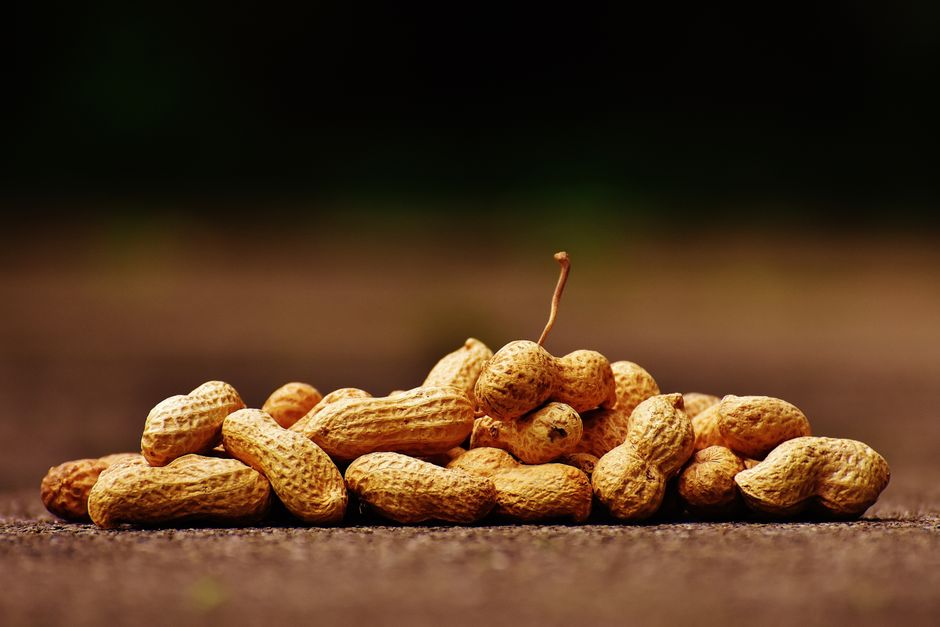
Groundnuts, also known as peanuts, are often skipped during weight loss because they are high in fat and calories. That instinct makes sense, but it misses the bigger picture about how this food actually affects your appetite and metabolism.
Yes, groundnuts are good for weight loss when eaten in controlled portions. The short answer to “is groundnut good for weight” is that they provide protein, fiber, and healthy fats that keep you full longer, which helps you eat fewer calories overall. Research consistently shows that people who include nuts in their diet tend to have lower body weight and less belly fat over time. The key is portion control, since a single serving is only about 28 grams.
Most weight loss advice tells you to cut calories, but it rarely explains that the type of calories matters for hunger. Groundnuts are one of the few snacks that actually reduce your desire to eat more later. This article breaks down the specific nutrients, the science behind satiety, and the portion mistakes that turn a good snack into a weight gain risk.
I have counseled many clients who were shocked to learn that adding groundnuts to their daily routine helped them stop snacking on chips and cookies. The difference comes down to how you eat them, which we will cover in detail below.
Key Points at a Glance
| Point | What It Means | Why It Matters |
|---|---|---|
| Calorie density | Groundnuts have about 160–180 calories per ounce | Portion control is essential, but the calories are nutrient-dense |
| Satiety effect | Protein and fiber slow digestion and reduce hunger | You naturally eat less at your next meal |
| Fat profile | Mostly monounsaturated and polyunsaturated fats | These fats support heart health and do not cause weight gain on their own |
| Blood sugar | Low glycemic index, minimal sugar spike | Stable blood sugar means fewer cravings |
What Are the Actual Calories and Nutrients in Groundnuts?
A one-ounce serving of groundnuts, which is about 28 grams or roughly 35 peanuts, contains approximately 160 to 180 calories depending on whether they are raw, roasted, or salted. That same serving delivers about 7 grams of protein and 2.5 grams of fiber. The fat content is around 14 grams, but most of it is the heart-healthy unsaturated kind.
Compared to other popular snacks like pretzels or crackers, groundnuts provide significantly more protein and fiber per calorie. A serving of pretzels has nearly the same calories but almost no protein, which means you feel hungry again within an hour. Groundnuts keep you satisfied for two to three hours, which is why they are a better choice for weight management.
Is Groundnut Good for Weight Loss Compared to Other Snacks?
When you compare groundnuts to common snack foods, the evidence is clear that they support weight loss better than refined carbohydrates. A study published in the American Journal of Clinical Nutrition found that participants who ate nuts regularly had a lower risk of obesity over time. The combination of protein, fiber, and fat slows stomach emptying, which delays hunger signals to your brain.
This does not mean you can eat unlimited groundnuts. The calories still count, and eating 500 calories of groundnuts on top of your normal meals will cause weight gain. But when groundnuts replace chips, cookies, or other processed snacks, the swap consistently leads to fewer total calories consumed each day.
How Many Groundnuts Should You Eat Per Day for Weight Loss?
A reasonable daily portion is one to two ounces, which equals about 35 to 70 peanuts or two tablespoons of groundnut butter. This provides roughly 160 to 360 calories, which fits into most weight loss plans without derailing your progress. The exact amount depends on your total calorie target, which you can calculate using a TDEE calculator to find your maintenance level.
Eating groundnuts as a mid-morning or mid-afternoon snack is the most effective timing for appetite control. That is when hunger typically peaks and people reach for whatever is convenient. Having a pre-portioned bag of groundnuts ready reduces the chance you will grab a vending machine snack instead.
Does the Form of Groundnut Matter for Weight Loss?
Raw, dry-roasted, and groundnut butter all work for weight loss, but the added ingredients make a big difference. Honey-roasted or chocolate-covered groundnuts add significant sugar and calories, which defeats the purpose. Salted versions are fine for most people, but those with high blood pressure should choose unsalted varieties.
Groundnut butter is easy to overeat because two tablespoons looks small on a spoon. Weigh it or use a measuring spoon to avoid adding 200 calories without noticing. The same rule applies to groundnut flour or powder, which is lower in fat but still calorie-dense.
What Does the Research Actually Say About Nuts and Body Weight?
Several large observational studies have linked regular nut consumption with lower body mass index and reduced weight gain over time. The Nurses’ Health Study, which tracked over 50,000 women, found that those who ate nuts at least twice a week gained less weight over eight years than those who rarely ate them. This is likely because nuts improve satiety and may slightly increase the calories your body burns during digestion.
Some research also suggests that the body does not absorb all the fat from whole nuts. A portion of the fat stays trapped in the nut’s cell walls and passes through undigested. This means the actual usable calories may be slightly lower than the label states, though the difference is modest.
Can Eating Groundnuts at Night Interfere with Weight Loss?
Eating groundnuts at night does not automatically cause weight gain. Your body does not store fat differently based on the time of day. What matters is your total calorie intake over 24 hours, not when you eat a specific food.
That said, nighttime snacking often leads to mindless eating, especially in front of the television. If you eat groundnuts at night, portion them out beforehand and put the bag away. This prevents the empty-bag surprise that happens when you eat straight from the package.
Frequently Asked Questions
Related Articles
Is groundnut good for weight loss or weight gain?
Groundnuts can support either outcome depending on portion size. In controlled servings, they aid weight loss by reducing hunger, but excessive amounts add calories that cause weight gain.
How many groundnuts can I eat a day to lose weight?
One to two ounces, or roughly 35 to 70 peanuts, is a reasonable daily amount for weight loss. This provides about 160 to 360 calories depending on the preparation.
Are roasted groundnuts as healthy as raw groundnuts?
Dry-roasted groundnuts are nearly identical to raw ones in nutritional value. The main concern is added oil, sugar, or salt in flavored varieties, which you should avoid.
Does groundnut butter help with weight loss?
Groundnut butter can help with weight loss if you stick to two tablespoons per serving. It is easy to overeat, so measuring is essential for keeping calories in check.
Can I eat groundnuts every day while dieting?
Yes, eating groundnuts daily is fine as long as they fit within your calorie budget. Their protein and fiber content makes them a better daily snack than most processed alternatives.
Do groundnuts increase belly fat?
No evidence shows that groundnuts specifically increase belly fat. Excess calories from any food can contribute to fat storage, but groundnuts in moderation are associated with lower abdominal obesity in some studies.
To see how groundnuts fit into your personal calorie needs, use a TDEE calculator to find your daily maintenance level. Then subtract a modest deficit to create your weight loss target.

The TDEECAL Team writes about nutrition, metabolism, and fat loss the way we built our calculator, with real numbers and no hype. We dig into the research so you don’t have to guess.