Key Points at a Glance
| Point | What It Means | Why It Matters |
|---|---|---|
| Calorie burn | Home workouts burn fewer calories per session than gym sessions | You need to adjust your expectations and your eating plan |
| Consistency | You are more likely to repeat a workout you can do at home | Regular effort beats occasional intense effort for weight loss |
| Equipment | Bodyweight exercises can build strength but have limits | Progressive overload requires adding resistance over time |
| Eating plan | Exercise alone rarely drives significant weight loss | Dietary changes produce most of the calorie deficit |
| Barriers | No commute, no gym membership, no intimidation factor | Removing obstacles increases the odds you stick with it |
How Does Home Exercise Compare to Gym Workouts for Fat Loss?
Home exercise can work for weight loss, but it works differently than gym training. The research on this is fairly clear: the location matters less than the effort and consistency you bring to it. Some studies suggest that people who exercise at home actually stick with their programs longer than those who join gyms, largely because the barriers to showing up are lower.
The real difference shows up in intensity. At a gym, you have machines that push you, classes that pace you, and trainers who correct your form. At home, you are entirely self-directed. That freedom helps some people and hurts others. If you are honest with yourself about your effort level, home training can absolutely produce results. If you tend to coast, you may need a structured plan or a mirror to keep you accountable.
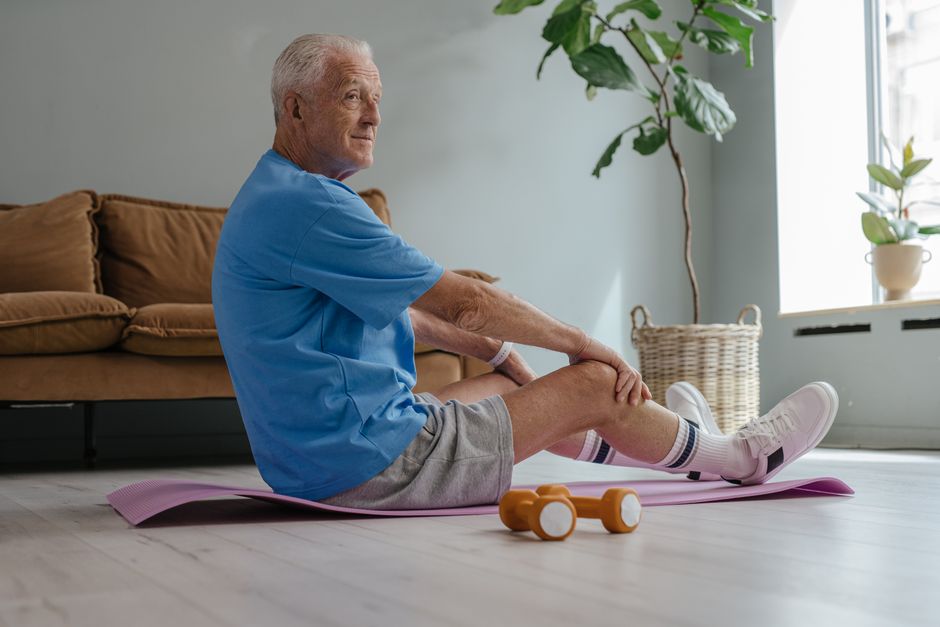
I have noticed that the clients who succeed at home set a specific time for their workout and treat it like an appointment. They lay out their mat the night before. That small ritual makes a noticeable difference in whether the workout actually happens.
Is Home Exercise Effective for Building the Calorie Deficit You Need?
This is the question that matters most for weight loss. Home exercise can help you create a calorie deficit, but it is rarely enough on its own. A typical home workout session burns roughly 150 to 250 calories depending on the intensity and your body weight. That is meaningful, but it is far smaller than most people assume.
To lose one pound of body fat, you need a deficit of about 3,500 calories. That works out to roughly 15 to 20 home workout sessions if you change nothing about your diet. The math makes the point clearly: exercise supports weight loss, but your eating habits drive it. Research consistently shows that combining dietary changes with exercise produces better long-term weight loss results than either approach alone.
The good news is that home exercise does something gym workouts cannot always do: it makes movement a daily habit rather than a scheduled event. A twenty-minute walk after dinner, a quick strength circuit before work, or a yoga session in your living room all count. These small sessions add up across a week.
What Types of Home Exercise Work Best for Weight Loss?
The best home workout for weight loss is the one you will actually repeat. That said, some formats have stronger evidence behind them than others. High-intensity interval training, or HIIT, has been shown in multiple studies to produce similar fat loss results to steady-state cardio in less time. The trade-off is that HIIT is hard, and it is easy to underdo it at home without a coach pushing you.
Strength training matters too. Muscle tissue burns more calories at rest than fat tissue, so preserving or building muscle while you lose weight helps keep your metabolism higher. Bodyweight exercises like squats, push-ups, and lunges work well initially, but you will eventually need to add resistance. Resistance bands are cheap, take up almost no space, and allow you to progress over time.
A realistic weekly plan might look like this: three days of strength training, two days of brisk walking or cycling, and one day of stretching or yoga. That mix covers the bases without demanding hours of your day. Some studies indicate that this combination of resistance and aerobic training produces better body composition changes than either type alone.
What Are the Real Limitations of Working Out at Home?
Home exercise has genuine limits that you should know about before you start. The biggest one is progression. Your body adapts to stress quickly, and what challenged you in week one will feel easy by week eight. Without heavier weights or new equipment, you may hit a plateau. This is often the point where people conclude that home exercise does not work, when the real issue is that they stopped progressing.
Space can also be a constraint. Some exercises are difficult to perform safely in a small room. You may need to modify movements or choose alternatives that fit your space. The lack of social accountability is another factor. Some people thrive on group energy or the presence of a trainer. If you are one of them, home workouts may feel flat.
None of these limitations mean home exercise is ineffective. They mean you need a plan that accounts for them. Schedule your sessions, track your progress, and add resistance as you get stronger. That is how you keep the results coming. Use a TDEE calculator to set your calorie target based on your activity level, and adjust it as your fitness improves.
Frequently Asked Questions
Related Articles
Is home exercise effective for weight loss compared to going to the gym?
Yes, home exercise can be just as effective for weight loss as gym workouts when you maintain consistent effort and intensity. The gym offers more equipment and variety, but your results depend more on showing up regularly than on where you train.
How many calories can I burn with a home workout?
A typical 30-minute home workout burns roughly 150 to 250 calories depending on your body weight and exercise intensity. Higher-intensity sessions like HIIT can push that number higher, while gentler sessions like yoga burn less.
Can I lose weight with only bodyweight exercises at home?
Yes, bodyweight exercises can help you lose weight, especially when you combine them with a calorie-controlled diet. You will eventually need to add resistance to continue building muscle, but you can make significant progress with bodyweight training alone.
How often should I exercise at home to see weight loss results?
Most research suggests aiming for at least 150 minutes of moderate activity or 75 minutes of vigorous activity per week. That breaks down to roughly 30 minutes most days of the week for noticeable results.
Do I need equipment for home workouts to be effective?
No, you can get meaningful results with bodyweight exercises alone, especially in the first several weeks. Adding a set of resistance bands or a pair of dumbbells later helps you continue progressing.
How long does it take to see weight loss results from home exercise?
Most people notice changes in how their clothes fit within four to six weeks of consistent training and dietary changes. The number on the scale may move slower, so focus on how you feel and how your body responds.

The TDEECAL Team writes about nutrition, metabolism, and fat loss the way we built our calculator, with real numbers and no hype. We dig into the research so you don’t have to guess.