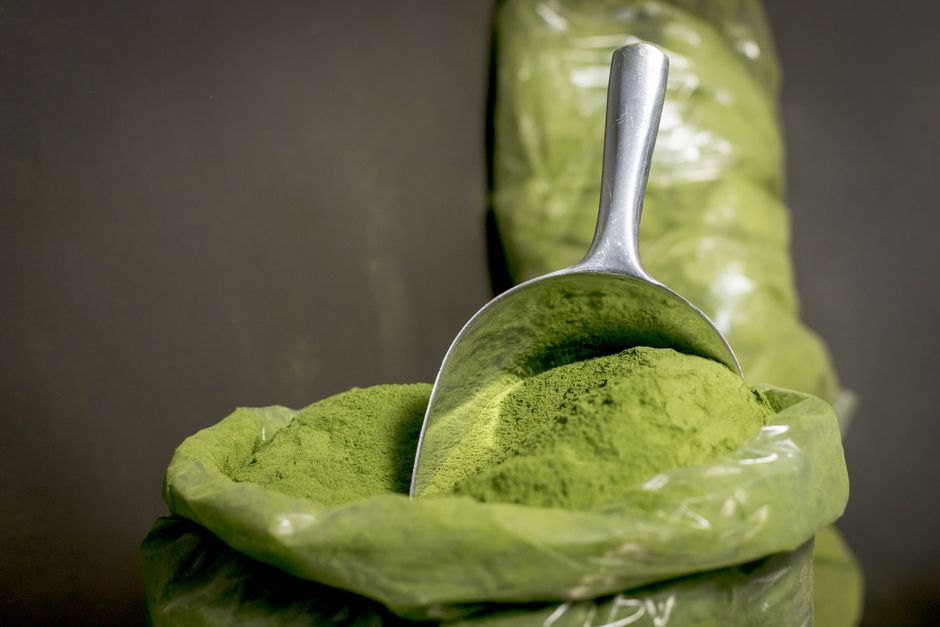
Is Moringa Tea Good for Weight Loss?
Moringa tea has become a popular health drink, but many women wonder if it actually helps with weight loss. The honest answer is that moringa tea is not a magic fat burner, but it can support your weight loss efforts in several meaningful ways. Research shows moringa leaves contain compounds that may help regulate blood sugar and reduce inflammation, though no study has confirmed it directly causes weight loss on its own.
The real value of moringa tea lies in what it replaces and how it fits into your daily routine. Swapping a sugary latte for a cup of unsweetened moringa tea saves you calories without leaving you feeling deprived. This article covers what the evidence actually says about moringa for weight loss, how to drink it for best results, and what it will not do.
Most articles about moringa tea either oversell it as a miracle fat burner or dismiss it entirely. The truth sits somewhere in the middle. Here, you will get a realistic breakdown of the science, practical tips for incorporating moringa tea into your routine, and clear answers to the questions women most often ask.
Key Points at a Glance
| Point | What It Means | Why It Matters |
|---|---|---|
| Calorie replacement | Unsweetened moringa tea has nearly zero calories | Swapping high-calorie drinks for moringa tea creates a calorie deficit |
| Blood sugar support | Some studies suggest moringa may help regulate glucose | Stable blood sugar reduces cravings and energy crashes |
| Anti-inflammatory effects | Moringa contains antioxidants that fight inflammation | Lower inflammation may support better metabolic function |
| Not a standalone solution | No evidence moringa alone causes significant weight loss | Results come from overall diet and activity changes |
What Does the Research Actually Say About Moringa Tea?
The evidence on moringa and weight loss is still developing. Some studies indicate that moringa leaf powder may help improve blood sugar control and reduce cholesterol levels, both of which support weight management indirectly. Research published in the Journal of Diabetes Research found that moringa supplementation improved fasting blood sugar levels in participants with elevated glucose.
However, no strong clinical evidence currently supports the claim that moringa tea directly burns fat or speeds up metabolism. Most studies use concentrated moringa leaf extract, not tea. A typical cup of moringa tea contains far lower concentrations of active compounds than the supplements used in research.
What this means for you is simple. Moringa tea can be a helpful addition to a weight loss plan, but it will not do the work for you. The tea works best when paired with a balanced diet and regular physical activity.
How Moringa Tea Supports Weight Loss in Practice
The most practical benefit of moringa tea is its role as a low-calorie beverage swap. Many women consume hundreds of calories daily through sweetened coffee drinks, sodas, and juices. Replacing one of these with unsweetened moringa tea can save 150 to 300 calories per day without much effort.
Moringa tea also contains fiber, which may help you feel fuller between meals. While the amount of fiber in a brewed tea is modest, some evidence suggests it can still contribute to satiety. I always recommend drinking moringa tea about 30 minutes before a meal if you want to test how it affects your appetite.
Another indirect benefit involves hydration. Many people mistake thirst for hunger, and reaching for a warm cup of tea can help you stay hydrated while giving you a moment to pause before snacking. That pause alone can prevent mindless eating.
Practical tip: Brew moringa tea plain and add a squeeze of lemon instead of sweetener. This keeps the calorie count near zero while making the earthy flavor more enjoyable.
Is Moringa Tea Good for Weight Loss Compared to Other Teas?
Green tea has far more research behind it for weight management than moringa tea does. Studies consistently show that green tea catechins combined with caffeine can modestly increase calorie burning. Moringa tea contains no caffeine and has not demonstrated the same thermogenic effect.
That said, moringa tea offers nutritional advantages that green tea does not. Moringa leaves contain high levels of iron, calcium, and vitamin C. For women over 35, these nutrients support overall health in ways that matter beyond the scale, including bone density and immune function.
The best approach is not to choose between them. Many women rotate between green tea and moringa tea throughout the day. Green tea in the morning provides a gentle energy lift, while moringa tea in the afternoon offers a caffeine-free option that will not disrupt sleep.
How to Drink Moringa Tea for Best Results
Quality matters more than quantity when it comes to moringa tea. Look for organic moringa leaf tea or powder from a reputable brand. The leaves should be green, which indicates they were dried properly and retain their nutrient content.
For weight loss support, one to two cups per day is reasonable. More than that has not been shown to provide additional benefits and may cause digestive discomfort. Start with one cup daily and see how your body responds.
Brewing method affects the flavor significantly. Steep loose-leaf moringa tea in hot water for three to five minutes. If you use powder, whisk it into warm water rather than boiling water, which can destroy some nutrients. I find that adding a small piece of ginger or a cinnamon stick makes the tea much more pleasant without adding calories.
What Moringa Tea Will Not Do
Moringa tea will not counteract a poor diet. Drinking moringa tea while eating processed foods and excess calories will not produce weight loss. No tea can override the basic math of calories consumed versus calories burned.
Moringa tea will also not suppress appetite dramatically. Some women report feeling slightly fuller after drinking it, but this effect is mild compared to protein-rich foods or high-fiber meals. If you are looking for strong appetite control, focus on protein and vegetables first.
Finally, moringa tea is not a substitute for medical treatment. If you have diabetes, thyroid conditions, or take blood-thinning medication, talk to your doctor before adding moringa supplements or large amounts of tea to your routine. Moringa can interact with certain medications.
Related Articles
Frequently Asked Questions
Is moringa tea good for weight loss?
Moringa tea can support weight loss indirectly by replacing higher-calorie drinks and helping stabilize blood sugar. It is not a direct fat burner, and no strong clinical evidence shows it causes weight loss on its own.
How many calories are in a cup of moringa tea?
Unsweetened brewed moringa tea contains roughly 2 to 5 calories per cup. Adding sweeteners, milk, or honey increases the calorie count significantly.
Can I drink moringa tea every day?
Drinking one to two cups of moringa tea daily is generally considered safe for most healthy adults. Pregnant women should avoid moringa supplements and large amounts of tea, as safety data is limited.
Does moringa tea boost metabolism?
No strong clinical evidence currently supports the claim that moringa tea boosts metabolism. Green tea has more research behind its modest metabolic effects.
When is the best time to drink moringa tea?
Drinking moringa tea in the afternoon works well because it is caffeine-free and will not disrupt sleep. Some women also drink it before meals to test its effect on appetite.
Does moringa tea reduce belly fat?
No evidence shows that moringa tea specifically targets belly fat. Spot reduction is not possible, and overall weight loss comes from a sustained calorie deficit.
If you are tracking calories as part of your weight loss plan, use our TDEE Calculator to find your maintenance calories and create a realistic deficit. Moringa tea can be a pleasant addition to that plan, but the calculator gives you the numbers that actually drive results.

The TDEECAL Team writes about nutrition, metabolism, and fat loss the way we built our calculator, with real numbers and no hype. We dig into the research so you don’t have to guess.