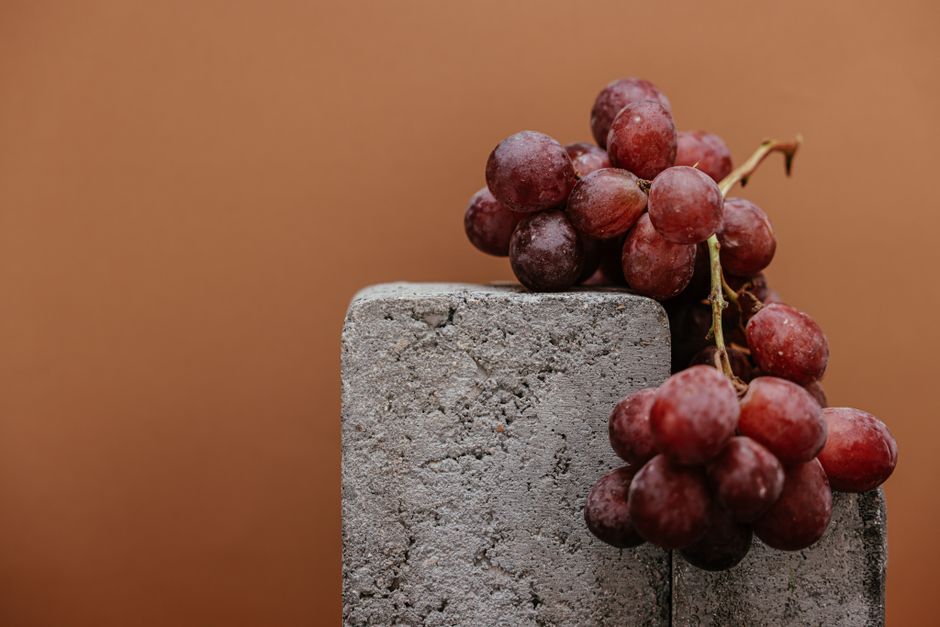
You’ve probably grabbed a handful of grapes while trying to lose weight and wondered if you were making a smart choice. The answer might surprise you, because grapes are one of the most misunderstood fruits in the dieting world.
When asking which grapes is good for weight loss, the honest answer is that all grape varieties are comparable in calories, but red and black grapes offer slightly more antioxidants that may support metabolism. A one-cup serving of any grape variety contains roughly 100 to 104 calories, making them a reasonable snack when portioned correctly. The real key to eating grapes for weight loss isn’t the color — it’s controlling your portion size and pairing them with protein or fat to stay full longer.
Most diet advice tells you to avoid grapes because they’re “high in sugar,” but that’s only half the story. Grapes have a high water content and provide fiber, which helps you feel satisfied with fewer calories than many processed snacks. This article breaks down the actual nutritional differences between grape varieties and gives you a practical way to include them in your weight loss plan without derailing your progress.
Key Points at a Glance
| Point | What It Means | Why It Matters |
|---|---|---|
| Calorie similarity | All grape colors have nearly identical calories per cup | Color choice matters less than portion control |
| Red grapes | Higher in resveratrol and anthocyanins | These compounds may support metabolic health |
| Green grapes | Slightly higher in natural sugars | Still fine in moderation but easier to overeat |
| Portion size | One cup equals roughly 30 grapes | Pre-portioning prevents mindless snacking |
| Pairing strategy | Combine with protein or healthy fat | Slows sugar absorption and increases fullness |
Do Red Grapes Actually Help With Weight Loss More Than Green?
Research published in the Journal of Nutritional Biochemistry found that resveratrol, a compound concentrated in red and purple grape skins, may influence fat cell metabolism in animal studies. Some studies suggest that these antioxidants could help your body respond better to insulin, which supports steady energy levels and fewer cravings. That said, the effect is modest — you won’t see meaningful weight loss from eating red grapes alone.
The practical difference between red and green grapes comes down to antioxidant content rather than calories. A cup of red grapes has roughly 104 calories, while green grapes come in at about 100 calories per cup. I always tell people to choose whichever color they enjoy more, because you’re more likely to stick with a snack you actually like.
How Many Grapes Can You Eat Per Day Without Gaining Weight?
For most women trying to lose weight, one cup of grapes — about 30 individual grapes — fits comfortably into a 1,500-calorie daily plan. This serving provides roughly 27 grams of carbohydrates and 23 grams of sugar, which is manageable when you’re not eating other high-sugar foods throughout the day. If you’re tracking calories, grapes work best as a mid-morning or mid-afternoon snack rather than an evening treat when cravings are stronger.
Two cups of grapes per day is still reasonable for weight loss, but you’ll need to account for the extra 100 calories. The bigger risk is eating grapes alongside other carbohydrate-heavy foods, which can push your total sugar intake higher than intended. Some research suggests that eating fruit before a meal may help reduce total calorie intake, but this effect varies from person to person.
Which Grapes Is Good for Weight Loss When You Want Maximum Fullness?
When you’re asking which grapes is good for weight loss in terms of keeping you full, the answer is frozen grapes. Freezing grapes changes their texture and slows down how quickly you eat them, which naturally reduces your portion size. Frozen grapes also take longer to chew, giving your brain more time to register fullness signals.
Another option is to pair grapes with a protein source like a string cheese stick or a small handful of almonds. The combination of natural sugars and protein keeps your blood sugar stable and prevents the crash that leads to cravings an hour later. I keep a bag of frozen red grapes in my freezer at all times — they taste like a treat but count as a single serving of fruit.
What About Grape Juice or Dried Grapes for Weight Loss?
Grape juice and raisins are not good choices for weight loss compared to whole grapes. A cup of grape juice contains about 150 calories and no fiber, which means it spikes your blood sugar quickly without providing any fullness. Raisins are even more concentrated — a quarter-cup serving has about 120 calories and 24 grams of sugar, making them easy to overeat.
Whole grapes are the clear winner because the fiber and water content slows digestion and helps you feel satisfied. If you’re craving something sweet, a cup of grapes is a better choice than a granola bar or fruit-flavored yogurt, both of which often contain added sugars. The fiber in grapes also supports gut health, which some research links to better weight management over time.
Frequently Asked Questions
Related Articles
Can I eat grapes every day while trying to lose weight?
Yes, one cup of grapes per day fits into most weight loss plans without causing issues. The key is portion control and balancing them with protein or healthy fat at other meals.
Are black grapes better than red grapes for weight loss?
Black and red grapes have nearly identical calorie counts and similar antioxidant profiles. The difference is too small to affect your weight loss results measurably.
Do grapes cause belly fat?
No single food causes belly fat — excess calories from any source contribute to weight gain. Grapes are no more likely to cause belly fat than apples or oranges when eaten in reasonable portions.
Is it better to eat grapes in the morning or evening?
Morning or afternoon is better because you have more time to burn off the natural sugars. Eating grapes late at night isn’t harmful, but it may disrupt sleep for some people due to the sugar content.
How many grapes equal one serving of fruit?
One serving of fruit equals about one cup of grapes, which is roughly 30 individual grapes. This serving provides about 100 calories and counts toward your daily fruit intake.
Should I avoid grapes if I have diabetes?
People with diabetes can eat grapes but should keep portions to half a cup and pair them with protein. Monitor your blood sugar response, as individual reactions to fruit vary.
Grapes can absolutely be part of your weight loss plan — the color matters less than the portion. Stick to one cup per serving, choose frozen or fresh whole grapes over juice and raisins, and pair them with protein when you need extra fullness. Use our TDEE Calculator to set your daily calorie target, then fit grapes into that number without guilt.

The TDEECAL Team writes about nutrition, metabolism, and fat loss the way we built our calculator, with real numbers and no hype. We dig into the research so you don’t have to guess.