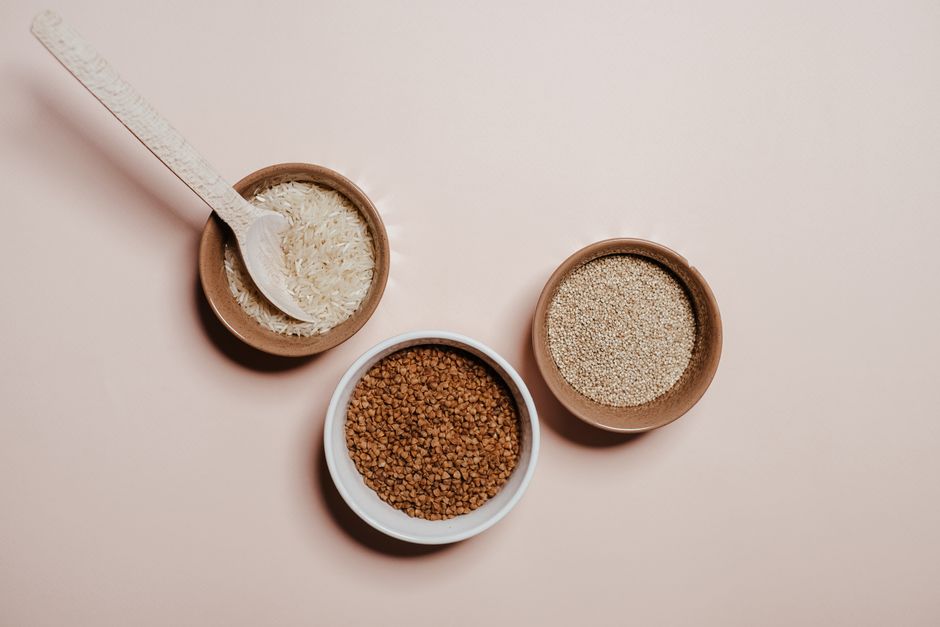
Is Quinoa Healthier Than Rice for Weight Loss?
You have probably stood in the grocery aisle wondering if the more expensive grain is actually worth it. When comparing these two staples for weight loss, quinoa generally has a slight edge over white rice, but the difference is smaller than most people think.
So, is quinoa healthier than rice for weight loss? The short answer is yes, but only by a modest margin. Quinoa offers more protein, more fiber, and a lower glycemic index than white rice, which can help you feel fuller longer. However, brown rice is a much closer competitor, and total portion size matters more than which grain you choose.
Most diet advice treats this as a simple “good versus bad” question. The real answer is more useful than that. This article breaks down the actual nutritional differences, how each grain affects your hunger and blood sugar, and what the research really says about weight loss outcomes.
My kitchen note: I cook both grains regularly, and quinoa swells to about three times its dry volume while rice only triples in size. That visual difference matters when you are portioning out dinner.
Key Points at a Glance
| Point | What It Means | Why It Matters |
|---|---|---|
| Protein content | Quinoa has about 8 grams of protein per cooked cup; white rice has about 4 grams | Protein increases satiety and helps preserve muscle during weight loss |
| Fiber content | Quinoa provides roughly 5 grams of fiber per cooked cup versus less than 1 gram in white rice | Fiber slows digestion and keeps you full between meals |
| Glycemic index | Quinoa scores around 53; white rice scores around 73 | Lower glycemic foods cause smaller blood sugar spikes |
| Calories | Both grains are nearly identical at roughly 220 calories per cooked cup | Calorie control still drives weight loss regardless of grain choice |
| Complete protein | Quinoa contains all nine essential amino acids | Rare among plant foods and useful if you eat limited animal protein |
What Are the Actual Nutritional Differences?
Quinoa and rice differ most in three areas: protein, fiber, and micronutrients. A cooked cup of quinoa provides about 8 grams of protein and 5 grams of fiber. The same amount of white rice delivers roughly 4 grams of protein and less than 1 gram of fiber. Brown rice sits in the middle with about 5 grams of protein and 3.5 grams of fiber.
Quinoa also contains more magnesium, iron, and folate than either white or brown rice. These minerals support energy metabolism and overall health, which matters when you are eating fewer calories. The caloric difference between quinoa and rice is minimal, so you cannot rely on swapping grains alone to create a deficit.
One thing I notice when cooking both side by side: quinoa has a nutty flavor that holds up well with bold seasonings. Rice tends to absorb sauces more readily. That small difference can affect how satisfied you feel after a meal.
How Do Quinoa and Rice Affect Blood Sugar and Hunger?
Blood sugar response is where quinoa clearly outperforms white rice. The glycemic index measures how quickly a food raises blood glucose. Quinoa scores around 53, which is considered low to moderate. White rice scores near 73, which is high. Brown rice falls around 68.
Lower blood sugar spikes mean fewer insulin surges. Insulin is a fat-storage hormone, and keeping it steadier supports weight loss efforts. The fiber in quinoa also slows stomach emptying, which extends the feeling of fullness after a meal. White rice digests quickly, and many people feel hungry again within a couple of hours.
Research published in the Journal of the American College of Nutrition found that quinoa improved blood sugar control in older adults compared to white bread and rice. Some studies also suggest that replacing refined grains with quinoa may help reduce waist circumference over time, though results vary by individual.
Practical tip: If you want the blood sugar benefit without giving up rice, try mixing half quinoa and half brown rice. You get the texture you like with better nutritional balance.
Which Grain Is Better for Weight Loss in Practice?
For weight loss specifically, quinoa has three advantages that matter. The extra protein helps preserve lean muscle mass when you are in a calorie deficit. The fiber increases satiety, which makes it easier to eat less without feeling deprived. And the complete amino acid profile means your body can use that protein efficiently.
But here is the honest part: portion size still controls the outcome. A large serving of quinoa will cause weight gain just like a large serving of rice will. The USDA defines a serving as half a cup of cooked grain, which is roughly 110 to 120 calories for either option. Most restaurant portions are two to three times that amount.
I have seen clients swap rice for quinoa without measuring portions and wonder why the scale did not move. The grain choice matters less than the total calories on your plate. Quinoa gives you a small metabolic edge, but it does not override a calorie surplus.
How to Choose Between Quinoa and Rice for Your Goals
Choose quinoa when you want more protein and fiber per calorie, especially if you eat a mostly plant-based diet. It is also the better choice for managing blood sugar or if you find yourself hungry soon after meals. The cost is higher, so budget-conscious shoppers may want to use it strategically rather than daily.
Choose brown rice when you want a more affordable whole grain with similar fiber benefits. Brown rice retains its bran and germ, which is why it has more nutrients than white rice. Choose white rice when you need easily digestible carbohydrates before a workout or if you have digestive sensitivity to high-fiber foods.
The evidence does not support the idea that one grain is universally superior. Both can fit into a weight loss diet. The best choice is the one you will eat in controlled portions consistently. If you need help calculating your personal calorie needs for weight loss, use our TDEE Calculator to find your maintenance level and create an appropriate deficit.
Related Articles
Frequently Asked Questions
Is quinoa healthier than rice for weight loss?
Quinoa has a modest advantage over white rice because it contains more protein and fiber per serving. Brown rice is nutritionally closer to quinoa, and portion control matters more than the grain you select.
Can you eat quinoa every day while trying to lose weight?
Yes, quinoa is safe to eat daily as part of a balanced diet. Just measure your portions and account for the calories in your daily total.
Does quinoa make you gain belly fat?
No food alone causes belly fat, including quinoa. Weight gain happens when you consistently eat more calories than your body burns.
Which is better for diabetics, quinoa or rice?
Quinoa is generally better for blood sugar management because it has a lower glycemic index than white rice. Brown rice is a reasonable alternative if you prefer rice.
How much quinoa should you eat per meal for weight loss?
A standard serving is half a cup of cooked quinoa, which provides about 110 to 120 calories. You can adjust this based on your total calorie target and activity level.
Is quinoa more filling than rice?
Quinoa is typically more filling than white rice because it contains more fiber and protein. Brown rice is also more satiating than white rice but slightly less than quinoa.

The TDEECAL Team writes about nutrition, metabolism, and fat loss the way we built our calculator, with real numbers and no hype. We dig into the research so you don’t have to guess.