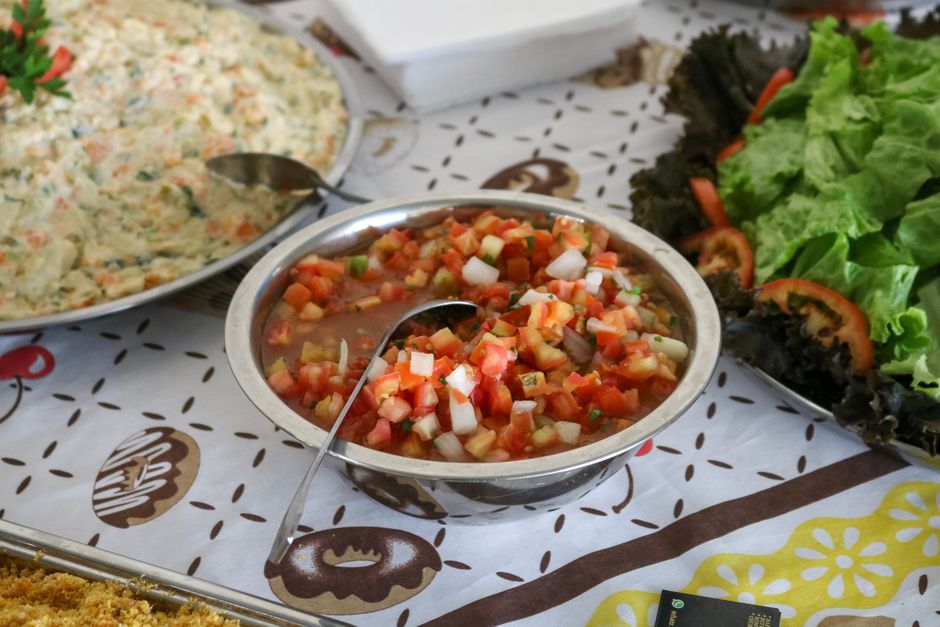
Is Salsa Good for Weight Loss?
Salsa is one of the smartest choices you can make when you’re trying to lose weight. Yes, salsa is good for weight loss because it delivers bold flavor for very few calories—typically 15 to 25 calories per half-cup serving, depending on the brand and ingredients. Most salsas are made from tomatoes, onions, peppers, and lime, which means you get volume and taste without the calorie load of creamy dips or dressings.
The real struggle for most women trying to lose weight isn’t hunger—it’s boredom. You get tired of plain chicken breast and steamed vegetables, and that’s when you reach for something creamy or fried. Salsa solves that problem without wrecking your calorie budget.
But not all salsa is created equal. Store-bought jars can hide added sugar and sodium, and restaurant salsa often arrives with a basket of chips that can add 400 to 500 calories before your meal even starts. This article covers what the research actually says about salsa and weight loss, how to choose the right kind, and how to use it without sabotaging your progress.
Key Points at a Glance
| Point | What It Means | Why It Matters |
|---|---|---|
| Calorie density | Salsa is roughly 15–25 calories per half-cup | You can eat a generous portion without breaking your calorie target |
| Water and fiber content | Tomatoes and peppers are mostly water with some fiber | It increases fullness without adding significant calories |
| Flavor replacement | Salsa replaces high-calorie sauces and dressings | Cutting 200 calories of dressing daily adds up to real weight loss |
| Hidden pitfalls | Added sugar, high sodium, and chips | These can turn a healthy choice into a calorie trap |
What Does the Research Say About Salsa and Weight Loss?
Research consistently shows that low-calorie, high-volume foods help with weight management. Salsa fits this pattern because it’s mostly vegetables. A half-cup of salsa provides about the same volume as a half-cup of guacamole, but guacamole carries roughly 180 to 230 calories while salsa carries 15 to 25.
Some studies suggest that spicy foods like salsa with jalapeños or chili peppers may slightly boost metabolism. The capsaicin in peppers appears to increase energy expenditure by a small amount, though the effect is modest and varies by person. No study has shown that eating salsa alone causes meaningful weight loss. The benefit comes from the swap—using salsa instead of calorie-dense condiments.
The bigger research-backed advantage is behavioral. When people enjoy their food, they stick with their eating plan longer. Salsa makes vegetables, lean proteins, and whole grains taste better, which helps you stay consistent. Consistency, not any single food, is what drives weight loss.
How Many Calories Are in Salsa?
The calorie count varies widely by type and brand. Fresh pico de gallo made with tomatoes, onion, cilantro, and lime runs about 15 to 20 calories per half-cup. Jarred salsas typically range from 20 to 40 calories per half-cup. Creamy salsas or salsa con queso are a different story—those can hit 80 to 150 calories per half-cup because of added cheese or sour cream.
The ingredient list tells you everything. Look for salsa where tomatoes or vegetables are the first ingredient. Avoid jars with added sugar, corn syrup, or “natural flavors” hiding in the middle of the list. Sodium is worth checking too—some brands pack 300 to 500 milligrams of sodium into a half-cup serving, which can add up if you’re watching your blood pressure.
Is Salsa Good for Weight Loss Compared to Other Condiments?
Yes, salsa beats most common condiments for weight loss. Here’s how it stacks up against typical serving sizes:
- Salsa: 15–25 calories per half-cup
- Ranch dressing: 130–150 calories per 2 tablespoons
- Mayonnaise: 90–100 calories per tablespoon
- Barbecue sauce: 60–70 calories per 2 tablespoons
- Ketchup: 30–40 calories per tablespoon
- Guacamole: 180–230 calories per half-cup
The difference matters over time. Swapping 2 tablespoons of ranch for a half-cup of salsa on your lunch salad saves roughly 100 to 130 calories. Do that five days a week, and you’re looking at a 500 to 650 calorie weekly reduction. That’s the kind of change that produces about one pound of weight loss per month without feeling like you’re giving anything up.
Salsa also adds vegetables to your meal. Most Americans fall short of the recommended vegetable intake, and using salsa as a condiment is an easy way to close that gap. The fiber and water in salsa contribute to fullness, which can help you eat less at the meal itself.
How to Use Salsa for Weight Loss Without the Pitfalls
The biggest mistake people make with salsa is the delivery vehicle. Tortilla chips add 140 to 150 calories per ounce, and most people eat three to four ounces in a sitting. That’s 400 to 600 calories before you’ve even had your meal. Use salsa as a topping on eggs, grilled chicken, fish, or roasted vegetables instead.
Here are practical ways to use salsa that keep calories low:
- Top scrambled eggs or an omelet with a generous spoonful
- Use it as a dressing for taco salads instead of creamy dressings
- Mix it into cooked quinoa or brown rice for instant flavor
- Serve it over grilled fish or chicken breast
- Use it as a dip for raw vegetables like cucumber, bell pepper, or celery
- Stir it into black beans or lentil soup for extra depth
If you want chips, measure out a single serving—about 15 to 18 chips—and put the bag away before you start eating. Better yet, use baked tortilla chips or veggie chips, which save about 50 calories per serving. Pairing salsa with vegetables instead of chips can cut 300 to 500 calories from a single snack session.
Frequently Asked Questions
Related Articles
Is salsa good for weight loss every day?
Yes, daily salsa consumption is a smart weight loss habit. Just watch the sodium content and avoid creamy varieties.
Does spicy salsa boost your metabolism?
Some studies suggest capsaicin from chili peppers may slightly increase metabolism. The effect is small and unlikely to cause weight loss on its own.
How much salsa can you eat on a weight loss diet?
You can eat a full cup of salsa for roughly 30 to 50 calories. That’s a generous amount that works within almost any calorie target.
Is jarred salsa as healthy as fresh salsa?
Jarred salsa is fine if you check the label for added sugar and sodium. Fresh salsa typically has fewer additives and slightly fewer calories.
Can salsa replace salad dressing for weight loss?
Yes, salsa makes an excellent salad dressing substitute. It saves 100 or more calories per serving compared to creamy dressings.
Does eating salsa at night affect weight loss?
No, eating salsa at night won’t affect weight loss as long as it fits your daily calorie target. Total calories matter more than timing.
The evidence is clear: salsa is a genuinely useful tool for weight loss, not a marketing gimmick. It’s low in calories, high in flavor, and it helps you eat more vegetables. The key is using it as a replacement for calorie-dense condiments rather than pairing it with chips. Check your labels, watch the sodium, and use salsa to make healthy food taste good enough to stick with.
For a personalized calorie target that accounts for your age, height, weight, and activity level, use our TDEE Calculator to find the right daily intake for your weight loss goals.

The TDEECAL Team writes about nutrition, metabolism, and fat loss the way we built our calculator, with real numbers and no hype. We dig into the research so you don’t have to guess.