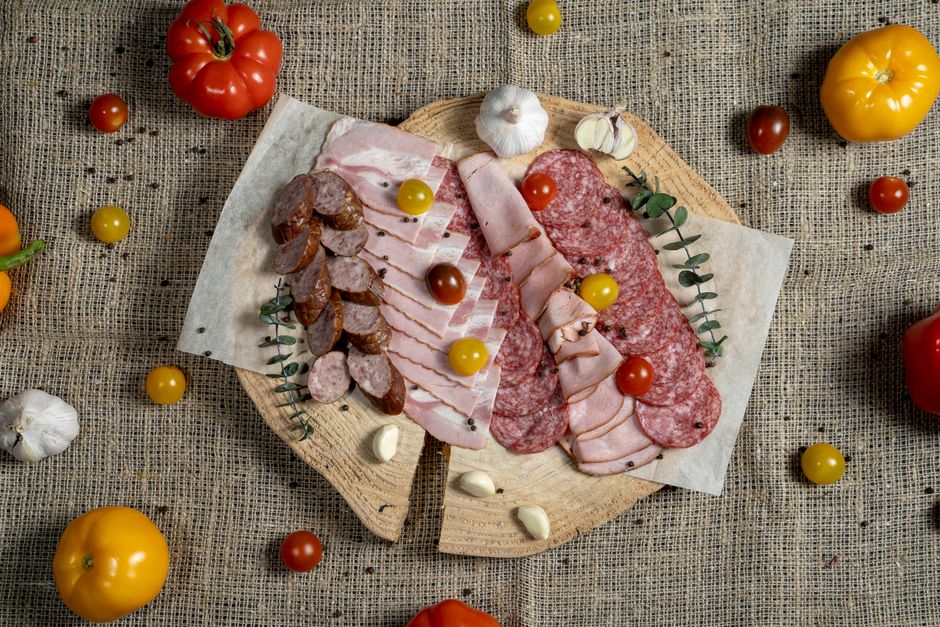
You can lose weight while eating sausage, but the kind you choose and how often you eat it makes all the difference. Most sausages are high in calories, saturated fat, and sodium, which can slow your progress if you eat them daily. But some varieties are leaner and can fit into a well-planned diet.
The honest answer to is sausage healthy for weight loss is that it depends entirely on the product and your portion size. A single pork link can pack 200 to 300 calories, while a turkey or chicken version might have half that. The real issue isn’t just calories — it’s that processed meats are linked to health risks when eaten frequently.
Many women trying to lose weight assume all sausage is off-limits. That’s not quite true. You need to know what to look for on the label and how to balance it with the rest of your meals.
This guide breaks down the calories, protein, fat, and sodium in different sausages. You’ll learn which types fit a weight loss plan and which ones you should probably leave at the store.
Key Points at a Glance
| Point | What It Means | Why It Matters |
|---|---|---|
| Calorie range varies widely | Pork sausage: 200–300 kcal per link; turkey: 100–150 kcal | Choosing leaner types can save 100+ calories per serving |
| Protein is solid but not unique | About 12–15 grams per serving | Eggs or Greek yogurt offer similar protein with less fat |
| Saturated fat is the main concern | Pork sausage has 8–12 grams per serving | High intake is linked to heart disease risk |
| Sodium adds up fast | 500–800 mg per serving | That’s 20–35% of the daily limit in one link |
| Processed meat carries health risks | Regular consumption linked to colorectal cancer | Occasional eating is fine; daily is not recommended |
How Many Calories Are in Different Types of Sausage?
Calories vary dramatically depending on the meat and how it’s prepared. A standard 2-ounce pork sausage link has roughly 200 to 250 calories. Turkey sausage drops that to about 120 to 150 calories for the same size, and chicken sausage usually falls in a similar range.
Breakfast sausage, Italian sausage, and bratwurst all have different recipes. Some contain added sugar, breadcrumbs, or cheese, which pushes calories higher. I always check the nutrition label for “calories per link” rather than per ounce — it’s easier to picture what you’re actually eating.
One thing many people miss: how you cook it changes the numbers. Pan-frying in butter adds 50 to 100 calories. Grilling or baking adds none. That difference can matter over a week of meals.
Is Sausage Healthy for Weight Loss When You Compare It to Other Proteins?
Sausage provides about 12 to 15 grams of protein per serving. That’s respectable, but not exceptional. A 3-ounce chicken breast gives you 26 grams with far less fat and sodium.
If you’re counting calories, protein per calorie matters. Sausage gives you about 6 grams of protein per 100 calories. Chicken breast gives you about 17 grams. Lean ground turkey, eggs, and tofu all beat sausage on this metric.
That doesn’t mean sausage is useless. It can add variety and satisfaction to a diet that feels repetitive. The key is treating it as an occasional food rather than a daily protein source.
The research on processed meat is consistent. Studies show that regular consumption of processed meats — which includes sausage — is linked to higher rates of heart disease and colorectal cancer. The World Health Organization classifies processed meat as a Group 1 carcinogen, meaning there’s strong evidence it causes cancer in humans.
What Should You Look for on a Sausage Label?
Your first stop is always the nutrition facts panel. Look for three numbers: calories per serving, saturated fat, and sodium. A reasonable target is under 150 calories, under 4 grams of saturated fat, and under 500 milligrams of sodium per serving.
The ingredient list tells you more than the front of the package. Words like “mechanically separated” or “pork byproducts” signal lower quality. Look for a single meat source listed first, like “chicken” or “turkey.”
Watch out for “uncured” or “nitrate-free” claims. These sound healthier, but the evidence doesn’t show meaningful health benefits. They often use celery juice instead, which still contains naturally occurring nitrates.
I always compare two brands side by side in the store. I’ve found that two turkey sausages from different brands can differ by 60 calories and 300 milligrams of sodium. Those gaps are worth your attention.
How Can You Fit Sausage Into a Weight Loss Meal Plan?
Portion control is the single most important factor. One link is a serving, not three. If you’re used to eating two or three links with eggs, you’re likely consuming 500 to 700 calories before lunch.
Consider using sausage as a flavoring agent rather than the main event. Crumble half a link into scrambled eggs or a pasta sauce. You get the taste without the calorie load of a full serving.
Pair sausage with low-calorie, high-volume foods. A sausage and pepper skillet with onions and zucchini can be filling for under 400 calories. The vegetables stretch the meal without stretching your daily budget.
One habit that helps me: I pre-portion sausage when I bring it home from the store. I wrap each link individually and freeze them. That removes the guesswork at breakfast time and prevents me from cooking more than I planned.
If you want to track your calories accurately, use a tool like our TDEE Calculator to find your maintenance calories first. From there, you can figure out how much room you have for foods like sausage in your daily budget.
Are Plant-Based Sausages a Better Choice for Weight Loss?
Plant-based sausages are not automatically lower in calories. Many contain coconut oil or other fats to mimic the texture of meat, which brings calories up to similar levels as pork sausage.
Some brands do offer genuinely leaner options. Check the label rather than assuming. A plant-based sausage with 120 calories and 3 grams of saturated fat can be a reasonable choice.
The protein content varies too. Most plant-based sausages deliver 10 to 15 grams per serving, which is comparable to meat versions. But the protein quality is slightly lower, so you may need to eat a bit more to feel satisfied.
There’s no strong evidence that plant-based sausages are healthier overall. They often contain more sodium and additives than their meat counterparts. The better approach is to compare labels and pick the option that fits your calorie and nutrition targets.
What Are the Biggest Mistakes People Make With Sausage and Weight Loss?
The most common mistake is assuming all sausage is the same. A chicken apple sausage and a pork bratwurst are completely different foods nutritionally. Reading the label takes thirty seconds and can save you 150 calories per serving.
Another mistake is eating sausage at every meal. Breakfast sausage, lunch pepperoni, and dinner Italian sausage adds up to a heavily processed diet. That pattern is linked to poor health outcomes regardless of calorie count.
People also forget that sausage is a processed food. Even the “healthy” versions are processed. That means they’re engineered to taste good, which can make it harder to stop at one serving.
Finally, don’t rely on sausage for your daily protein. Your body needs a variety of protein sources to get all essential amino acids and micronutrients. Mix it up with eggs, fish, legumes, and lean poultry.
Related Articles
Frequently Asked Questions
Can you eat sausage every day and still lose weight?
Technically yes, if you stay within your calorie deficit. But daily processed meat consumption is linked to health risks, so it’s not recommended.
Is turkey sausage actually healthier than pork sausage?
Usually yes, but not always. Turkey sausage typically has fewer calories and less saturated fat, yet some brands add extra fat and sodium during processing.
How much sausage can you eat on a weight loss diet?
One serving of lean sausage once or twice per week is reasonable. That’s about one link or two ounces per serving.
Does eating sausage at breakfast help or hurt weight loss?
It depends on the total calories of your breakfast. A sausage link with eggs and vegetables can work, but sausage with pancakes and syrup will likely exceed your budget.
Are nitrate-free sausages healthier for weight loss?
No strong evidence shows meaningful health benefits from nitrate-free versions. They often contain similar calories and sodium, so they don’t help with weight loss specifically.
What is the healthiest sausage to eat for weight loss?
Look for lean chicken or turkey sausage with under 150 calories, under 4 grams of saturated fat, and under 500 milligrams of sodium per serving.

The TDEECAL Team writes about nutrition, metabolism, and fat loss the way we built our calculator, with real numbers and no hype. We dig into the research so you don’t have to guess.