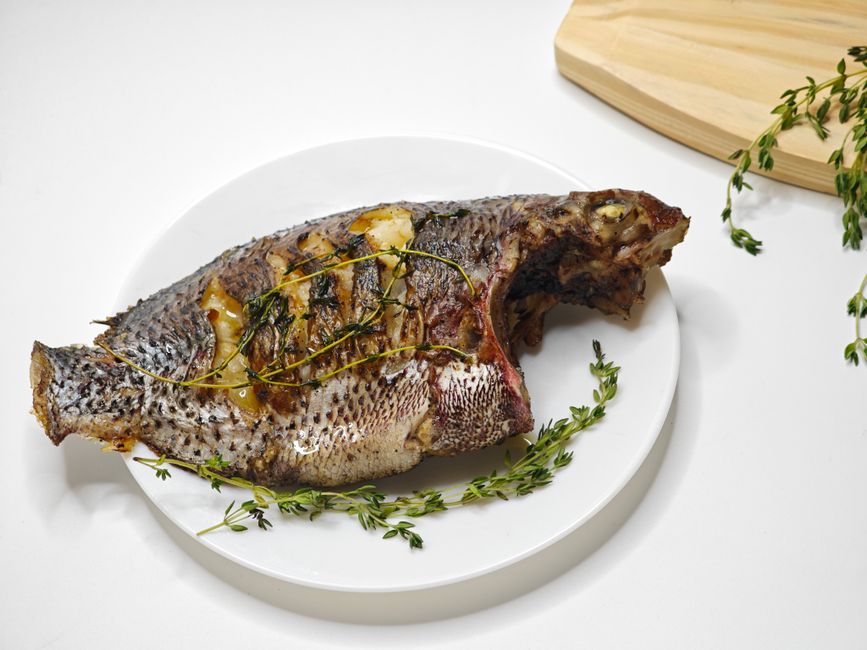
Tilapia is one of the most popular fish in America, yet it often gets a bad reputation online. Some claim it is “worse than bacon” due to its omega-6 content, while others praise it as a lean protein staple. The truth matters for anyone counting calories and trying to shed pounds.
Yes, tilapia is healthy for weight loss when eaten as part of a balanced diet. A 4-ounce serving of cooked tilapia contains roughly 110 to 130 calories and about 23 grams of protein with only 2 to 3 grams of fat. This lean protein helps you feel full longer, supports muscle maintenance during weight loss, and fits easily into most calorie budgets. Tilapia is also low in mercury, making it a safe choice for regular consumption.
Most weight loss advice focuses on cutting calories, but protein quality matters just as much. Many women in their 40s and 50s struggle to maintain muscle while dieting, which slows metabolism over time. Fish like tilapia provides a complete protein source that supports muscle preservation without adding excess fat or calories.
This article covers the actual nutritional profile of tilapia, how it compares to other proteins, and practical ways to cook it that support your weight loss goals. You will also learn which preparation methods help or hurt your progress.
Key Points at a Glance
| Point | What It Means | Why It Matters |
|---|---|---|
| Calorie Content | 110-130 calories per 4 oz cooked serving | Fits easily into a 1,500-calorie weight loss plan |
| Protein Density | 23 grams of complete protein per serving | Supports fullness and preserves lean muscle |
| Fat Profile | 2-3 grams of fat, mostly unsaturated | Low-fat protein that keeps saturated fat intake down |
| Mercury Safety | Low mercury levels | Safe to eat 2-3 times per week |
| Preparation Matters | Baking or grilling beats frying | Frying can double the calorie count |
What Is the Nutritional Profile of Tilapia?
A 4-ounce serving of cooked tilapia provides about 23 grams of protein and only 111 calories according to USDA data. It contains roughly 2.3 grams of fat, with less than 1 gram of saturated fat. This makes it one of the leanest animal proteins available.
Tilapia also delivers important micronutrients. A single serving provides about 30% of your daily niacin needs, 20% of vitamin B12, and significant amounts of phosphorus and selenium. These nutrients support energy metabolism, which matters when you are eating fewer calories.
One thing I always check when buying tilapia is the source. Farm-raised tilapia from the United States and Canada follows strict safety standards, while imported varieties may differ in quality. I look for the country of origin on the label and prefer domestic options when available.
Is Tilapia Healthy for Weight Loss Compared to Other Proteins?
When you compare tilapia to other common proteins, it holds up well for weight loss purposes. A 4-ounce serving of chicken breast has about 185 calories and 35 grams of protein, making it slightly more protein-dense. But tilapia offers a lighter option that still provides solid protein with fewer calories.
Salmon contains more omega-3 fatty acids and heart-healthy fats, but it also packs roughly 230 calories per 4-ounce serving. That extra 100 calories per meal adds up over a week. Tilapia offers a leaner alternative while still providing moderate amounts of omega-3s.
Ground beef at 80% lean delivers about 290 calories per 4-ounce cooked serving with 21 grams of protein. Tilapia gives you similar protein for less than half the calories. For women targeting 1,400 to 1,600 calories daily, that difference matters.
Practical tip: Swap tilapia for fattier proteins two or three times per week. You will save roughly 300 to 400 calories weekly without losing meaningful protein intake.
Does the Omega-6 Content in Tilapia Cause Problems?
The claim that tilapia is unhealthy because of its omega-6 to omega-3 ratio gained traction after a 2008 opinion piece in the Journal of the American Dietetic Association. The authors noted tilapia has more omega-6s than omega-3s, which some interpreted as harmful. However, this was an opinion piece based on theoretical concerns, not clinical evidence of harm.
Current research does not support the idea that eating tilapia causes inflammation or health problems in healthy people. The omega-6 fatty acids in tilapia are not inherently bad. Most Americans already consume far more omega-6s than omega-3s from vegetable oils, processed foods, and nuts regardless of fish choices.
Some studies suggest the omega-6 to omega-3 ratio in your overall diet matters more than any single food. Eating tilapia alongside omega-3-rich foods like walnuts, flaxseed, or occasional salmon provides a balanced approach. No strong clinical evidence currently supports avoiding tilapia due to its fatty acid profile.
How Should You Cook Tilapia for Weight Loss?
Your cooking method can double or triple the calorie content of tilapia. Baking, grilling, or air-frying with minimal oil keeps a serving around 120 calories. Pan-frying in butter or oil adds 100 to 200 extra calories depending on how much fat you use.
Breading and deep-frying tilapia adds significant calories and refined carbohydrates. A breaded fried fillet can reach 300 to 400 calories, which undermines the weight loss benefit. I recommend seasoning with lemon, garlic, paprika, or herbs instead of heavy sauces.
My personal go-to method is baking tilapia at 400 degrees for 12 to 15 minutes with a sprinkle of salt, pepper, and paprika. I add a squeeze of lemon after it comes out of the oven. It takes almost no effort and keeps the fish moist without added fat.
How Much Tilapia Can You Eat Per Week?
The FDA categorizes tilapia as a “Best Choice” fish for mercury safety. This means you can safely eat two to three servings per week without concern. Pregnant women and children can also eat tilapia regularly, though they should vary their fish choices.
Eating tilapia daily is generally safe for most adults, though variety in your protein sources is wise. Rotating tilapia with chicken, eggs, beans, and other fish ensures you get a range of nutrients. No established clinical guideline limits tilapia consumption beyond general fish recommendations.
One note about cost and convenience: frozen tilapia fillets are often cheaper than fresh and just as nutritious. I keep a bag in my freezer for nights when I need a quick protein source. Thawing takes about 15 minutes in cold water, and it cooks in under 15 minutes, making it a practical weight loss staple.
Frequently Asked Questions
Related Articles
Does tilapia help you lose belly fat?
No specific food targets belly fat, but tilapia’s high protein content supports overall weight loss, which reduces abdominal fat over time. Protein increases satiety and helps preserve muscle, both of which support fat loss across your entire body.
Is tilapia good for weight loss compared to chicken?
Both are excellent lean protein options, though chicken breast has more protein per calorie. Tilapia offers a lighter alternative with fewer calories, making it useful for variety in a weight loss meal plan.
Can you eat tilapia every day while dieting?
Eating tilapia daily is safe for most healthy adults. However, varying your protein sources ensures you get a broader range of nutrients, so aim for a mix of fish, poultry, and plant proteins.
What is the healthiest way to cook tilapia?
Baking, grilling, or air-frying with minimal oil are the healthiest methods. Avoid breading and deep-frying, which add unnecessary calories and refined carbohydrates.
Is tilapia high in mercury?
No, tilapia is low in mercury and classified as a “Best Choice” fish by the FDA. You can safely eat two to three servings per week, including during pregnancy.
Does farm-raised tilapia have fewer nutrients than wild-caught?
Farm-raised and wild-caught tilapia have similar protein and calorie content, though wild varieties may have slightly more omega-3s. Both are nutritious options that support weight loss goals.
Use our TDEE calculator to determine your daily calorie needs and see how tilapia fits into your weight loss plan. Knowing your maintenance calories helps you build a sustainable deficit without guessing.

The TDEECAL Team writes about nutrition, metabolism, and fat loss the way we built our calculator, with real numbers and no hype. We dig into the research so you don’t have to guess.