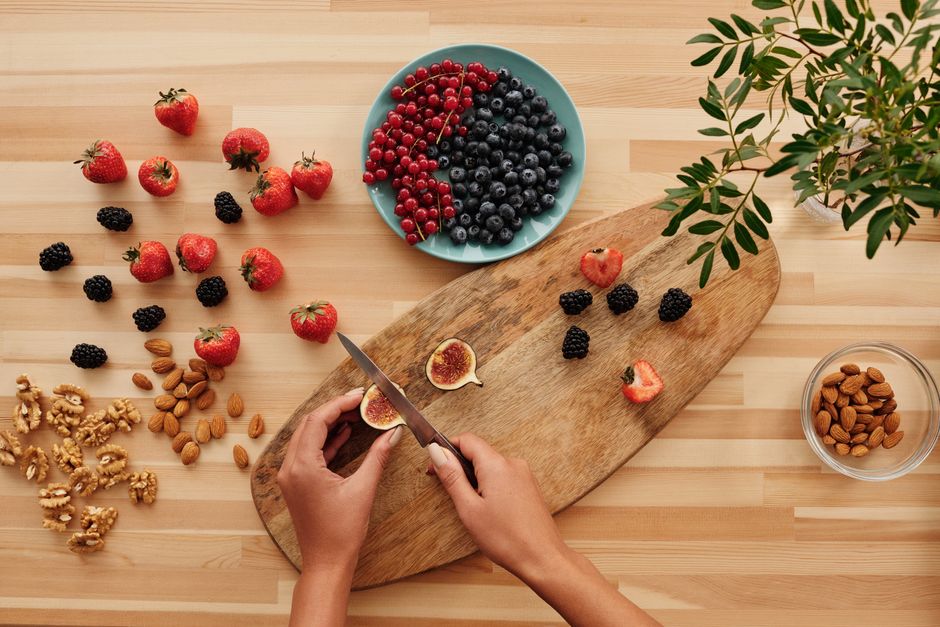
What Foods to Cut Out for Quick Weight Loss Actually Means
Most people think cutting out food means starving themselves. That is a mistake. Quick weight loss comes from removing the specific foods that quietly add the most calories without keeping you full.
The honest answer to what foods to cut out for quick weight loss is this: liquid calories, refined grains, and added sugars are the three biggest culprits. These foods spike your blood sugar, leave you hungry an hour later, and add hundreds of daily calories without you noticing. Removing them creates a calorie deficit large enough to show results within the first two weeks, while keeping your meals satisfying.
Most advice online tells you to cut out entire food groups or follow a rigid plan. That approach fails because it is not sustainable. This article focuses on the specific foods with the worst calorie-to-satiety ratio, so you can make changes that actually stick.
Key Points at a Glance
| Food to Cut | What It Means | Why It Matters |
|---|---|---|
| Sugary drinks | Soda, sweet tea, juice, flavored coffee | 150-300 calories per serving with zero fullness |
| Refined grains | White bread, white pasta, pastries | Spike blood sugar and trigger hunger within hours |
| Added sugars | Sauces, cereals, yogurt, granola bars | Hidden calories that add up fast |
| Fried foods | Fast food, battered items | Dense calories with low nutritional return |
Why Liquid Calories Are the First Thing to Remove
Liquid calories are the easiest to cut because they do not trigger the same fullness signals as solid food. Research consistently shows that your brain does not register calories from drinks the same way it registers calories from food. A 300-calorie soda does nothing to reduce your appetite, while 300 calories of chicken would keep you full for hours.
Sugary drinks are the clearest example. A regular 12-ounce soda contains roughly 150 calories, and most people drink more than one per day. Sweetened coffee drinks are even worse, often containing 300 to 500 calories before you add anything else. Cutting these alone can create a 1,000-calorie weekly deficit without changing anything else about your diet.
How Refined Grains Sabotage Your Progress
Refined grains are grains that have been stripped of their fiber and nutrients. White bread, white rice, and regular pasta are the most common examples. Without fiber, these foods digest quickly and spike your blood sugar. That spike triggers an insulin response that promotes fat storage and leaves you hungry again within two hours.
The research on this is strong. Studies have found that replacing refined grains with whole grains improves weight loss outcomes and reduces belly fat specifically. The difference is not just about calories — whole grains keep you full longer, so you naturally eat less at your next meal.
I always tell people to start with one swap: replace half your white rice or pasta with a whole grain version. That single change takes about ten seconds of effort and makes a noticeable difference in how full you feel after eating.
What Foods to Cut Out That Hide Added Sugar
Added sugar is the trickiest category because it hides in foods you would never suspect. Flavored yogurt, granola bars, breakfast cereals, pasta sauce, salad dressings, and even whole wheat bread often contain significant added sugar. The American Heart Association recommends women limit added sugar to about 25 grams per day — less than one can of soda.
The problem is that most people consume three to four times that amount without realizing it. A single serving of flavored yogurt can contain 15 to 20 grams of added sugar. A granola bar adds another 10. Before you have eaten anything substantial, you have already blown your daily sugar budget.
Are Fried Foods Worth Keeping?
Fried foods are calorie-dense because the frying process adds significant oil. A medium order of french fries contains roughly 350 to 400 calories, and most of those come from refined oil. The same potato baked has about 150 calories. That difference adds up quickly if you eat fried foods more than once a week.
Fried foods also tend to be high in sodium, which causes water retention and makes the scale look worse than it should. Cutting fried foods for two weeks often results in a quick drop of two to four pounds just from water weight alone. That is not fat loss, but it does provide early motivation to keep going.
The evidence on fried food consumption is clear. Some studies indicate that people who eat fried food more than four times per week have a higher risk of weight gain and metabolic issues, even after accounting for total calorie intake.
Frequently Asked Questions
Related Articles
How fast will I see results from cutting these foods?
Most people notice a difference within the first week, mostly from reduced water retention. Fat loss typically shows up on the scale after two to three weeks of consistent changes.
Do I need to cut out all carbs to lose weight?
No, cutting all carbs is not necessary and often backfires because it is too restrictive. Focus on removing refined grains and added sugars while keeping whole grains, fruits, and vegetables.
Can I still eat fruit if I am cutting sugar?
Yes, whole fruit is fine because it contains fiber and water that slow digestion. The sugar in fruit is naturally occurring and does not spike blood sugar the way added sugar does.
What is the single most important food to cut out?
Sugary drinks are the most important because they add calories without any fullness. Cutting soda and sweetened coffee drinks alone can create a significant calorie deficit.
Will cutting these foods cause me to feel hungry?
Not if you replace them with protein, fiber, and whole grains. The goal is swapping empty calories for foods that keep you full, not eating less overall.
How many calories should I eat to lose weight?
Use a TDEE calculator to find your maintenance calories, then subtract 300 to 500 calories for weight loss. Do not go below 1,200 calories per day without medical supervision.
The key is to start with the foods that give you the least return for the calories they cost. Sugary drinks, refined grains, added sugars, and fried foods are the clearest starting points. Use a TDEE calculator to set your calorie target, then make these swaps one at a time. Small changes compound quickly.

The TDEECAL Team writes about nutrition, metabolism, and fat loss the way we built our calculator, with real numbers and no hype. We dig into the research so you don’t have to guess.