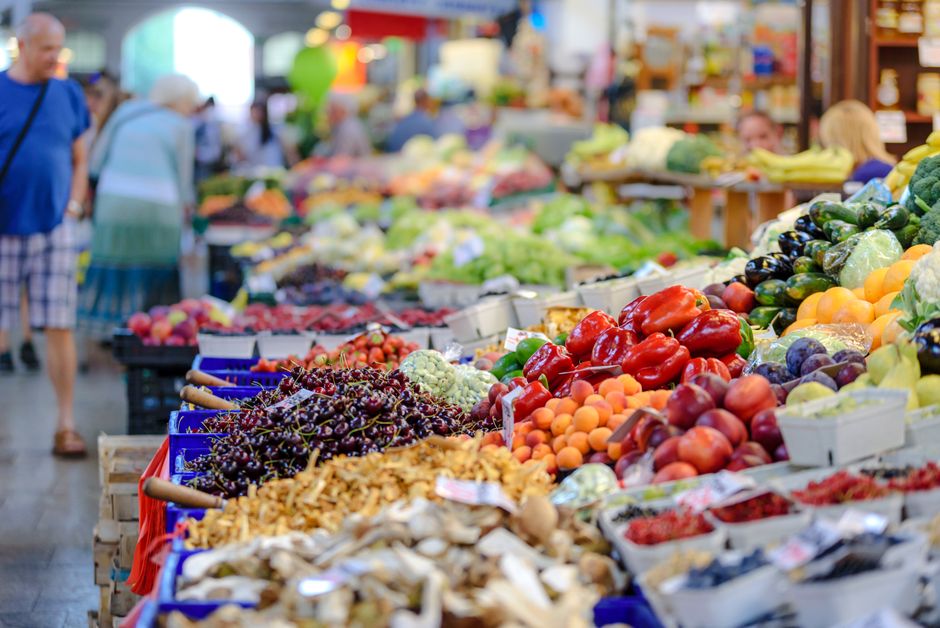
What Fruits and Vegetables are Best for Weight Loss
Most people assume all produce is equal for weight loss, but that’s not quite true. If you want to drop pounds, the best choices are high-volume, low-calorie options that keep you full for hours.
The honest answer to what fruits and vegetables are best for weight loss comes down to water content, fiber, and how they affect your appetite. Leafy greens, berries, cruciferous vegetables, and citrus fruits lead the pack because they deliver the most volume per calorie. These foods fill your stomach without breaking your daily calorie budget, which is the real mechanism behind weight loss.
The frustrating part is that many popular diet lists lump all produce together. That misses a key distinction. Starchy vegetables like potatoes and corn, and sugary fruits like grapes and mangoes, are still healthy but pack more calories per bite. Knowing the difference helps you build a plate that works with your goals, not against them.
Key Points at a Glance
| Point | What It Means | Why It Matters |
|---|---|---|
| Volume matters more than type | High-water, high-fiber produce fills you up for fewer calories | You eat less overall without feeling deprived |
| Leafy greens are the top pick | Spinach, kale, and lettuce are mostly water with minimal calories | You can eat large portions for very few calories |
| Berries beat most other fruit | Strawberries and blueberries are lower in sugar than bananas or grapes | You get sweetness with less calorie impact |
| Starchy produce needs portion control | Potatoes, corn, and peas are higher in calories than non-starchy options | They still fit in a diet but require mindful serving sizes |
What Fruits and Vegetables are Best for Weight Loss: The Top Picks
When I plan meals for clients, I start with a simple rule: non-starchy vegetables get unlimited space on the plate. Leafy greens like spinach, kale, and romaine contain roughly 10 to 20 calories per cup. That means you can eat a massive salad that keeps you satisfied for hours while staying under 150 calories total.
Broccoli, cauliflower, zucchini, and bell peppers are close behind. These vegetables offer a satisfying crunch and chew that starchy options lack. I always tell people to roast cauliflower with a little olive oil and garlic — the texture change makes it far more filling than steamed versions.
For fruit, berries are the clear winners. A cup of strawberries has about 50 calories with 3 grams of fiber. Blueberries and raspberries are similar. Citrus fruits like oranges and grapefruit also rank high because their fibrous segments slow down digestion. Apples and pears work well too, especially when you eat the skin.
Why Fiber and Water Content Drive Weight Loss
The science behind produce and weight loss comes down to energy density. Energy density is the number of calories in a given weight of food. Foods with high water and fiber content have low energy density, meaning they fill your stomach without flooding your body with calories.
Research consistently shows that people who eat low-energy-density foods consume fewer calories overall without trying. One reason is that fiber slows stomach emptying, which delays the hunger signal. Another is that chewing triggers satiety signals before you finish the meal.
Some studies indicate that swapping high-calorie sides for vegetables can cut daily intake by 300 to 500 calories. That reduction alone can produce meaningful weight loss over several months. The beauty is that you don’t need willpower to maintain this habit — the food itself keeps you full.
Which Fruits and Vegetables to Limit
Being honest here matters. Starchy vegetables and high-sugar fruits are not bad foods, but they need portion awareness. A medium baked potato has roughly 160 calories, while a cup of corn has about 130. Compare that to a cup of broccoli at 30 calories, and you see the difference.
For fruit, bananas, grapes, and mangoes are the higher-calorie options. A medium banana has about 105 calories, and a cup of grapes has roughly 100. These are still healthy choices packed with vitamins and potassium. The issue is that they’re easy to overeat without realizing it.
My practical approach is to keep starchy vegetables to one quarter of your plate and non-starchy vegetables to half. For fruit, aim for two servings a day and choose berries or citrus most often. This pattern naturally controls calories while keeping your meals interesting.
How to Build a Weight Loss Plate with Produce
Building your plate around produce is simpler than following complicated diet rules. Start with half your plate filled with non-starchy vegetables. Add a palm-sized portion of lean protein like chicken, fish, or tofu. Then add a quarter plate of starchy vegetables or whole grains.
For fruit, treat it as your dessert or snack rather than a main component. A bowl of berries with plain Greek yogurt works better for weight loss than a fruit smoothie, because blending removes fiber and makes it easier to overconsume calories. Whole fruit keeps the fiber intact and slows digestion.
One thing I’ve noticed with clients is that variety prevents boredom. If you eat the same salad daily, you’ll eventually crave something else. Rotate between spinach, broccoli, cauliflower, cabbage, and asparagus. For fruit, switch between strawberries, blueberries, oranges, and apples throughout the week.
How Many Servings Do You Actually Need?
Most health organizations recommend at least five servings of fruits and vegetables per day. A serving is roughly one cup of raw vegetables, half a cup of cooked vegetables, or one medium piece of fruit. Meeting this target consistently is associated with lower body weight in large population studies.
The evidence is mixed on whether more is better. Some research suggests that seven to nine servings daily may offer additional benefits, but the quality of your choices matters more than the quantity. Eating five servings of starchy vegetables is not the same as eating five servings of leafy greens and berries.
If you struggle to meet five servings, start with three and build up gradually. Add a piece of fruit to breakfast, a side salad to lunch, and a vegetable with dinner. Small consistent changes beat dramatic overhauls that don’t last.
Frequently Asked Questions
Related Articles
Can eating too much fruit slow down weight loss?
Yes, because fruit still contains calories and sugar. Stick to two servings daily and choose lower-sugar options like berries and citrus.
Are frozen vegetables as good as fresh for weight loss?
Yes, frozen vegetables retain most of their fiber and nutrients. They are often cheaper and just as effective for building low-calorie meals.
What is the single best vegetable for weight loss?
Leafy greens like spinach and kale are the strongest choice. They offer the lowest calories per volume and provide fiber without starch.
Do fruit smoothies help with weight loss?
Usually not as much as whole fruit. Blending breaks down fiber and makes it easier to drink more calories than you would eat.
How quickly will I see results from eating more vegetables?
Most people notice reduced hunger within a week. Visible weight changes typically take two to four weeks of consistent habits.
Check your daily calorie needs with our TDEE Calculator to see how many calories your body actually burns. This number helps you plan how much produce to include in your daily meals.

The TDEECAL Team writes about nutrition, metabolism, and fat loss the way we built our calculator, with real numbers and no hype. We dig into the research so you don’t have to guess.