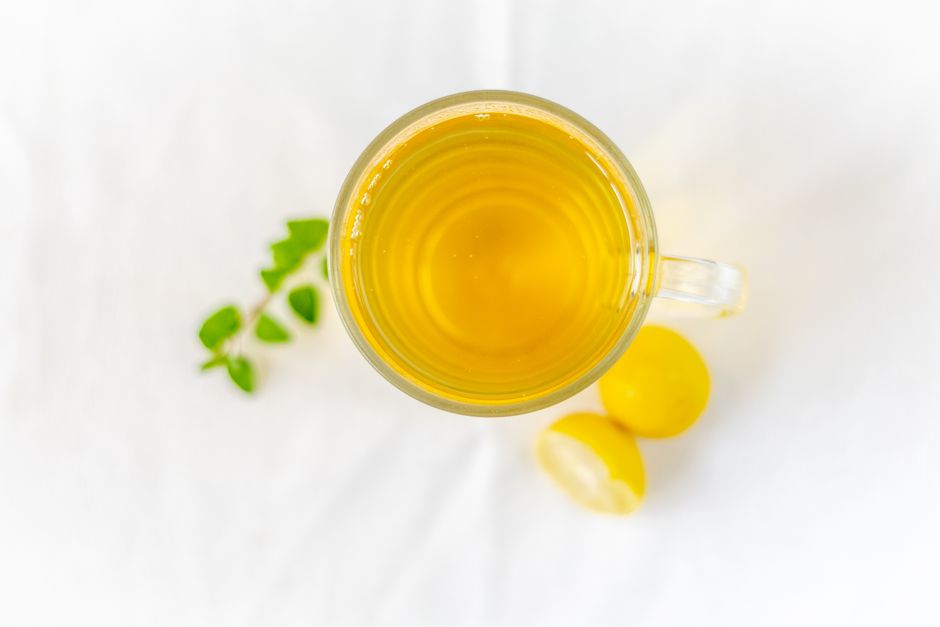
Most people grab whatever green tea box is on sale, but the variety you choose can change how much it helps with weight loss. A good green tea for weight loss is one that delivers a meaningful dose of catechins, particularly EGCG, without added sugars or fillers — and it must be a tea you will actually drink daily.
What is a good green tea for weight loss? The best choice is a plain, high-quality loose leaf or bagged green tea with no added sweeteners, flavors, or creamers. Research consistently shows that the catechins in green tea can support metabolism and fat burning, but the effect is modest — roughly an extra 50 to 100 calories burned per day with consistent use. The tea itself will not cause weight loss; it works alongside a calorie deficit.
Most commercial green tea drinks are sweetened, and a single bottle can carry 20 to 30 grams of sugar. That sugar cancels out any metabolic benefit before you finish the bottle. This article covers what to look for, what to avoid, and how to brew green tea so it actually supports your goals.
Key Points at a Glance
| Point | What It Means | Why It Matters |
|---|---|---|
| Plain green tea is best | No added sugar, honey, or artificial sweeteners | Added calories erase the metabolic benefit |
| Brewed tea beats bottled | Freshly brewed tea retains more catechins | Bottled teas are often diluted and sweetened |
| Matcha is a strong option | Ground whole leaves deliver more EGCG per serving | Higher catechin content may boost the effect |
| Consistency matters more than brand | Daily intake over weeks, not occasional cups | Effects are small and require regular use |
| Calorie deficit is still required | Green tea supports, not replaces, weight loss efforts | No tea burns enough calories to overcome overeating |
What Makes Green Tea Helpful for Weight Loss?
Green tea contains catechins, a type of antioxidant that has been studied for its effect on metabolism. The most active catechin is EGCG, which may help your body burn slightly more calories and fat, especially during exercise. Research published in the American Journal of Clinical Nutrition found that green tea extract increased energy expenditure by about 4 percent over 24 hours.
That sounds small, and it is. But over weeks and months, a 50 to 100 calorie daily increase adds up to roughly 5 to 10 pounds per year — if everything else stays the same. The catch is that most people drink sweetened green tea, which adds 100 to 200 calories per serving. That completely flips the math.
Practical tip: Brew your tea at home and skip the bottled versions. I keep a pitcher of cold-brewed green tea in my fridge — it takes two minutes to make and removes the temptation to grab a sweetened bottle.
Which Green Tea Variety Should You Choose?
Standard green tea bags from brands like Lipton or Bigelow work fine. They contain decent catechin levels and cost very little. The key is to check the ingredient list — it should say only green tea, nothing else.
Matcha is a more concentrated option because you consume the entire leaf rather than steeping and discarding it. A single serving of matcha can contain three to five times more EGCG than regular brewed green tea. Some studies suggest matcha may also help with fat oxidation during moderate exercise, though the evidence is still developing.
Sencha, gyokuro, and dragon well (longjing) are high-quality loose leaf options with strong catechin profiles. They cost more than bags but offer a cleaner, less bitter taste that makes daily drinking easier. The best green tea for weight loss is ultimately the one you will drink consistently — that matters more than minor differences between varieties.
How Should You Brew Green Tea for Maximum Benefit?
Water temperature matters more than most people realize. Boiling water destroys catechins and makes green tea taste bitter and harsh. Use water around 160 to 180°F — just below boiling — and steep for two to three minutes. Oversteeping also increases bitterness, which pushes people toward adding sugar.
Cold brewing is another option that works well. Steep loose leaf green tea in cold water in the fridge for 8 to 12 hours. The result is smoother and less bitter, and it makes a refreshing drink that replaces sugary iced teas.
Drink green tea without milk. Some research indicates that dairy proteins can bind to catechins and reduce their absorption, though the evidence is mixed. If you prefer the taste with milk, you still get some benefit — just possibly less than drinking it plain.
Practical tip: I add a squeeze of lemon to my green tea. Vitamin C may help stabilize catechins in the digestive tract, and the citrus masks any bitterness without adding calories.
How Much Green Tea Should You Drink Daily?
Most research on green tea and weight loss uses three to five cups per day, providing roughly 250 to 500 mg of catechins. That amount appears safe for most healthy adults and delivers the studied metabolic effects. Drinking more than that has not been shown to increase benefits and can cause jitteriness from caffeine.
Caffeine content varies by brand and brewing method, but a typical cup contains 25 to 50 mg. If you are sensitive to caffeine, drink green tea earlier in the day and switch to decaffeinated versions in the afternoon. Decaffeinated green tea still contains catechins, though at slightly lower levels.
Green tea is generally safe, but it does contain vitamin K, which can interfere with blood thinners like warfarin. If you take medication or have a medical condition, check with your doctor before drinking several cups daily.
Frequently Asked Questions
Related Articles
Can green tea alone cause weight loss?
No. Green tea only supports weight loss by slightly increasing calorie burn, and the effect is too small to overcome a poor diet. You still need a calorie deficit to lose weight.
Is bottled green tea as effective as brewed?
No. Bottled green teas are often diluted, sweetened, or both, which reduces catechin content and adds calories. Brewed tea is the better choice.
Does matcha work better than regular green tea?
Matcha contains more EGCG per serving because you consume the whole leaf. Some evidence suggests it may support fat oxidation, but the difference in weight loss outcomes is small.
When is the best time to drink green tea?
Any time of day works, though drinking it before or after exercise may enhance fat burning. Avoid drinking it too late in the day if caffeine disrupts your sleep.
What is a good green tea for weight loss on a budget?
Plain supermarket green tea bags are a solid choice — just check that the ingredient list contains only green tea. Cost does not determine effectiveness.
Are green tea supplements better than drinking tea?
Supplements deliver more concentrated catechins, but they skip the hydration and ritual of drinking tea. No strong evidence shows supplements outperform brewed tea for weight loss.
Green tea is a helpful addition to a weight loss plan, not a solution on its own. Choose plain brewed tea, drink three to five cups daily, and keep your overall calorie intake in check. Use a TDEE calculator to find your maintenance calories and build a modest deficit — that is what actually drives weight loss.

The TDEECAL Team writes about nutrition, metabolism, and fat loss the way we built our calculator, with real numbers and no hype. We dig into the research so you don’t have to guess.