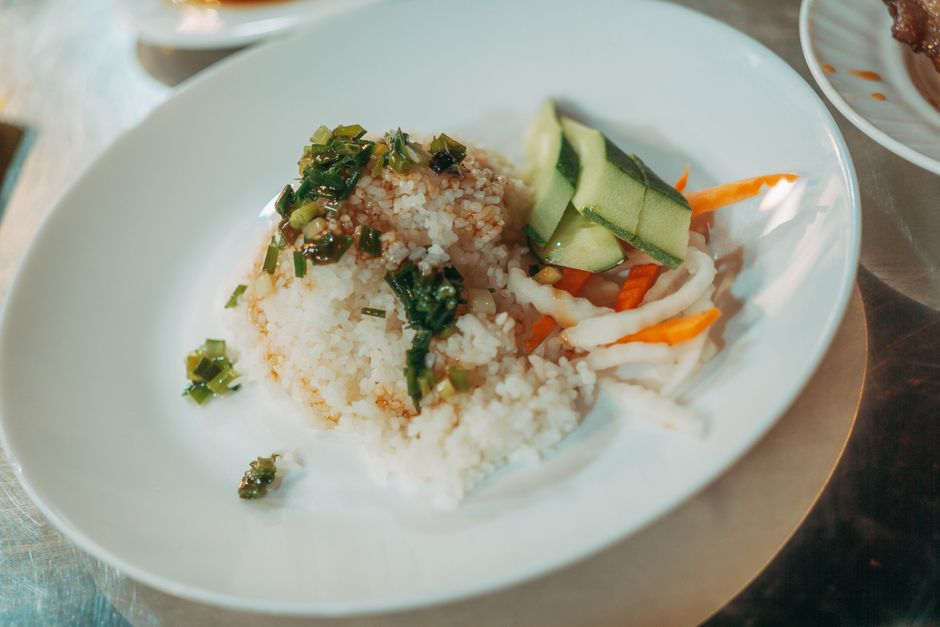
Most people don’t realize that the rice they serve at dinner is often double or triple the portion they actually need. That gap between what we think a serving looks like and what a serving actually is could be why your weight loss progress has stalled.
A what is a serving of rice for weight loss is one-third to one-half cup of cooked rice, which comes to roughly 70 to 110 calories depending on the variety. That’s much smaller than the cup or more most people pile onto their plates. For weight loss, keeping rice to this size leaves room for protein and vegetables without blowing your daily calorie budget.
Rice isn’t the enemy, but it is calorie-dense for its volume. Understanding real portion sizes matters because a few extra spoonfuls at every meal adds up to hundreds of unplanned calories each week. This article breaks down what a true serving looks like, how different rice types compare, and practical ways to measure portions without a kitchen scale.
Key Points at a Glance
| Point | What It Means | Why It Matters |
|---|---|---|
| Serving Size | ⅓ to ½ cup cooked rice | Keeps calories around 70–110 per serving |
| Calorie Density | Rice is compact and easy to overeat | Visual portion control is essential |
| Rice Variety | White vs. brown vs. wild differ slightly | Fiber content affects fullness, not calories much |
| Measuring Method | Hand and cup comparisons work well | Consistency beats perfection for weight loss |
| Meal Context | Rice should be a side, not the main event | Protein and vegetables should fill most of the plate |
How Many Calories Are in a Serving of Rice?
The calorie count depends on the type of rice and how it’s cooked. A half-cup of cooked white rice has roughly 100 to 110 calories, while the same amount of brown rice comes in around 110 to 120 calories. Wild rice is slightly lower at about 80 to 90 calories per half-cup.
These differences are small enough that switching varieties won’t dramatically change your results. What matters more is the actual amount you eat. Most restaurant servings of rice are two to three times the size of a proper portion, which silently adds 200 to 300 calories before you even touch the rest of your meal.
What Is a Serving of Rice Compared to Other Foods?
A serving of rice is small compared to most other starches you might choose. One-third cup of cooked rice is roughly equivalent in calories to one slice of bread or a small corn tortilla. A medium baked potato has about 160 calories, which is more than a rice serving but fills more of your plate.
This comparison helps with practical meal planning. If you’re used to eating a full cup of rice, you can swap in a larger portion of lower-calorie vegetables to keep yourself full. Research consistently shows that eating higher-volume, lower-calorie foods helps with satiety during weight loss.
How to Measure a Serving Without a Scale
You don’t need a kitchen scale to portion rice correctly. A half-cup of cooked rice is about the size of a standard muffin tin liner or roughly the size of your closed fist for most women. One-third cup is closer to the size of a tennis ball cut in half.
Using a measuring cup for the first few weeks trains your eye to recognize the portion. After that, you can eyeball it with reasonable accuracy. Some studies indicate that people consistently underestimate portion sizes by 20 to 40 percent when they don’t measure.
Does the Type of Rice Matter for Weight Loss?
Brown rice and other whole-grain varieties contain more fiber than white rice, which slows digestion and may help you feel full longer. However, the calorie difference between white and brown rice is minimal. The evidence is mixed on whether brown rice leads to more weight loss than white rice when calories are matched.
What matters more is what you eat with the rice. A half-cup of rice alongside grilled chicken and a large serving of vegetables creates a balanced meal that supports weight loss. The same amount of rice in a fried rice dish with oil and processed meats works against your goals regardless of the rice type.
Practical Strategies for Reducing Rice Portions
Start by reducing your rice portion by half while adding an extra serving of non-starchy vegetables. This simple swap cuts roughly 100 to 150 calories from your meal without leaving you hungry. You can also try mixing rice with cauliflower rice at a 50-50 ratio to stretch the volume while cutting calories.
Another effective approach is to serve rice on a smaller plate or in a small bowl rather than on a large dinner plate. Visual cues influence how much we eat, and a smaller dish makes a modest portion look more generous. No strong clinical evidence supports any single trick over another, so choose the method that feels sustainable for you.
Related Articles
Frequently Asked Questions
Is one cup of cooked rice too much for weight loss?
One cup of cooked rice contains roughly 200 to 220 calories, which can fit into a weight loss diet if your other meals are adjusted. But it’s double the standard serving size and may crowd out lower-calorie vegetables on your plate.
How many grams is a serving of rice?
A serving of cooked rice is about 80 to 100 grams, which equals roughly one-third to one-half cup. Uncooked rice weighs less because it absorbs water during cooking, so one serving of dry rice is about 30 to 40 grams.
What rice is best for losing belly fat?
No specific type of rice has been shown to target belly fat, despite marketing claims to the contrary. Brown rice and other whole grains may help with fullness and overall weight management, but calorie control matters more than variety.
Can I eat rice every day and still lose weight?
Yes, you can eat rice daily and lose weight as long as your total calorie intake stays below what you burn. The key is sticking to proper serving sizes and balancing your plate with protein and vegetables.
Does rinsing rice reduce calories?
Rinsing rice removes excess starch but does not significantly change the calorie content. It can improve texture and reduce stickiness, but it won’t meaningfully affect weight loss.
How much rice should I eat per meal for weight loss?
Most weight loss plans suggest one-third to one-half cup of cooked rice per meal. This provides enough carbohydrates for energy while leaving room for protein, vegetables, and healthy fats in your calorie budget.
To figure out exactly how many calories you need for your weight loss goals, use our TDEE Calculator to get your personalized daily target. Knowing your number makes portion decisions like this one much easier.

The TDEECAL Team writes about nutrition, metabolism, and fat loss the way we built our calculator, with real numbers and no hype. We dig into the research so you don’t have to guess.