You have probably heard that inflammation is linked to weight gain, but the connection is more direct than many realize. The best anti inflammatory diet for weight loss is the Mediterranean diet, backed by decades of research showing it reduces inflammatory markers while supporting a moderate calorie deficit. It emphasizes whole foods, healthy fats, lean protein, and vegetables without extreme restriction. This article explains what the evidence actually says and gives you practical steps to follow.
Many anti-inflammatory diets you see online are overly restrictive or based on weak evidence. The Mediterranean diet stands out because clinical studies consistently link it to lower levels of C-reactive protein and other inflammation markers. It also produces sustainable weight loss without eliminating entire food groups. You do not need to buy special supplements or follow a complicated plan.
This guide covers exactly what to eat, what to avoid, and how inflammation affects your weight. It focuses on research you can trust.
Key Points at a Glance
| Point | What It Means | Why It Matters |
|---|---|---|
| Mediterranean diet is the best evidence-based choice | Rich in olive oil, fish, vegetables, and whole grains | Reduces inflammation while creating a manageable calorie deficit |
| Chronic inflammation slows fat loss | Elevated cytokines interfere with insulin and metabolism | Lowering inflammation helps your body burn fat more efficiently |
| Focus on whole foods, not restriction | No need to count every gram of fat or carb | Sustainable habits beat short-term elimination diets |
| Avoid added sugars and refined oils | These directly trigger inflammatory pathways | Cutting them reduces inflammation without extra effort |
What is the best anti inflammatory diet for weight loss?
Research consistently shows the Mediterranean diet is the best anti inflammatory diet for weight loss when sticking to evidence rather than trends. A large study published in the American Journal of Clinical Nutrition found that people following a Mediterranean diet had significantly lower levels of the inflammatory marker CRP after one year. They also lost an average of 5 to 7 pounds without counting calories strictly.
This diet does not require expensive ingredients or complicated recipes. I always find that a simple dressing of olive oil and lemon on vegetables makes a noticeable difference in how satisfying a meal feels. You can start today by swapping butter for olive oil and adding an extra serving of vegetables to dinner.
If you want to match this diet to your personal calorie needs, use our TDEE Calculator to find a realistic daily target.
How does chronic inflammation affect your body weight?
Chronic low-grade inflammation interferes with the hormones that regulate appetite and fat storage. Elevated cytokines like TNF-alpha and interleukin-6 can make your cells less sensitive to insulin, which encourages your body to store fat rather than burn it. This creates a cycle where inflammation makes weight loss harder, and excess fat produces more inflammatory signals.
Some studies suggest that reducing inflammation alone can lead to modest weight loss even without a calorie deficit. The effect is not dramatic on its own, but when combined with a balanced eating pattern it removes a hidden barrier. Addressing inflammation helps your body respond better to healthy food choices and exercise.
Which foods fight inflammation and support weight loss?
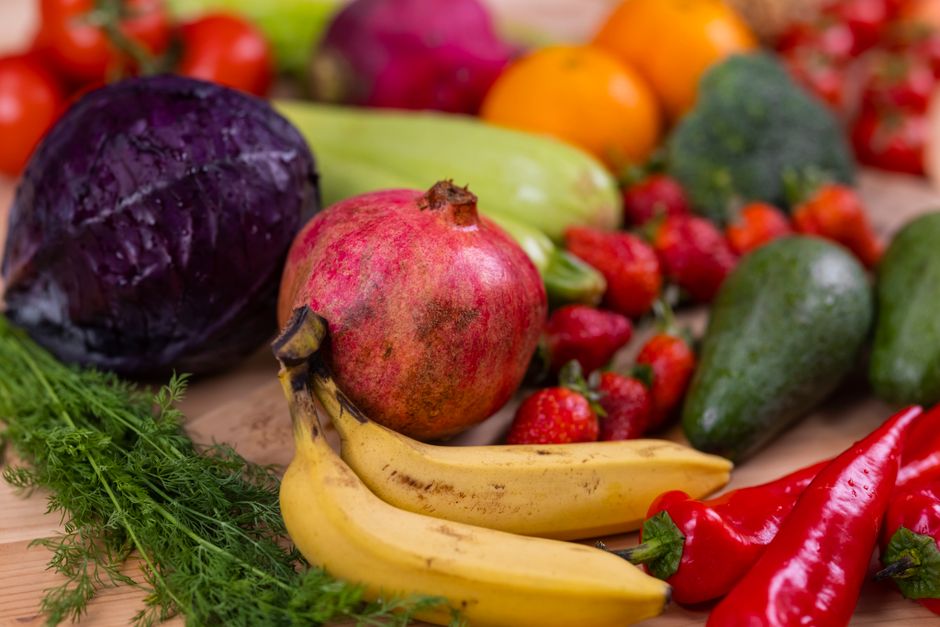
Olive oil, fatty fish like salmon, leafy greens, berries, and nuts have the strongest evidence for reducing inflammation. These foods are rich in polyphenols and omega‑3 fatty acids, which calm inflammatory pathways. They are also naturally low in calorie density, making them ideal for weight loss.
I always keep a bag of frozen berries in the freezer for a quick snack or to add to oatmeal. They are cheaper than fresh and still retain their anti-inflammatory nutrients. Aim for at least two servings of fish per week and use olive oil as your main cooking fat.
What foods should you limit on an anti-inflammatory diet?
Processed snacks, sugary drinks, refined grains, and vegetable oils high in omega‑6s (like corn oil) are the main culprits. These foods trigger inflammation directly and provide empty calories that work against weight loss. You do not need to eliminate them entirely, but reducing them makes a measurable difference.
A practical approach is to replace one processed item per day with a whole food. For example, swap a bag of chips for a handful of almonds. Over a week those small changes add up to noticeably less inflammation and steadier energy.
Related Articles
Frequently Asked Questions
Can an anti-inflammatory diet help with belly fat?
Yes, because inflammation is strongly linked to visceral fat storage. Reducing inflammation through diet can help shrink that belly fat over time.
How long does it take to see results from an anti-inflammatory diet?
Many people notice improved energy and less bloating within two weeks. Weight loss typically becomes visible after four to six weeks of consistent eating.
Is the Mediterranean diet the same as a low-carb diet?
No, the Mediterranean diet includes whole grains and legumes, so it is not low in carbohydrates. It focuses on quality carbs rather than removing them.
Do I need to take supplements to reduce inflammation?
No strong clinical evidence supports taking supplements for inflammation unless you have a diagnosed deficiency. Whole foods provide the necessary anti-inflammatory compounds more effectively.
Can I drink coffee on an anti-inflammatory diet?
Yes, moderate coffee consumption (2–3 cups per day) is associated with lower inflammation markers. Avoid adding excessive sugar or cream.
What about dairy or gluten?
There is no good evidence that dairy or gluten cause inflammation for most people. Unless you have a diagnosed intolerance, you can include them.

The TDEECAL Team writes about nutrition, metabolism, and fat loss the way we built our calculator, with real numbers and no hype. We dig into the research so you don’t have to guess.