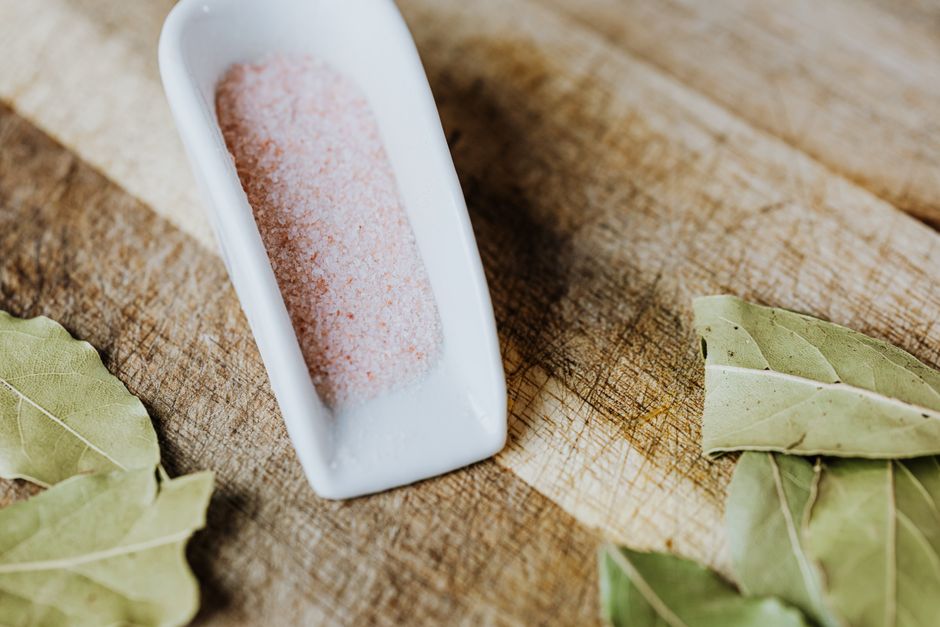
Pink salt has become a kitchen staple for many home cooks, but its role in weight loss is often misunderstood. The short answer is that no salt directly causes fat loss, but the mineral content and sodium behavior of pink salt can influence your progress in indirect ways.
When asking what is the best pink salt for weight loss, the honest answer is that Himalayan pink salt is the most studied and widely available option, though its weight loss benefits come from hydration and electrolyte balance rather than any fat-burning property. Salt itself contains zero calories, so choosing pink salt over regular table salt will not change your calorie intake. The real advantage lies in how it supports proper hydration and muscle function during a calorie deficit.
Most weight loss plateaus are not caused by the type of salt you use. They come from inconsistent calorie tracking, water retention, or undereating. This article breaks down what the evidence actually says about pink salt and weight loss, how to use it correctly, and when it simply does not matter.
Key Points at a Glance
| Point | What It Means | Why It Matters |
|---|---|---|
| Calories | All salt contains zero calories | Salt choice never directly affects fat loss |
| Minerals | Pink salt has trace minerals | May support hydration, not metabolism |
| Sodium content | Similar to table salt by weight | Portion control still matters |
| Water retention | High sodium causes temporary water weight | Can hide real fat loss on the scale |
| Best choice | Use whichever salt keeps you consistent | Compliance beats minor mineral differences |
What Is the Best Pink Salt for Weight Loss Really Doing?
Himalayan pink salt contains about 84 trace minerals, including potassium, magnesium, and calcium. These minerals play a role in fluid balance and muscle contraction, which matters when you exercise during a weight loss plan. Some research suggests that better electrolyte balance can reduce fatigue and improve workout performance, but no study has shown that pink salt alone accelerates fat loss.
I always keep a small pinch of pink salt in my water bottle on hot days. It makes a noticeable difference in how I feel during long walks, though I never expect it to change the scale.
The mineral content in pink salt is present in such tiny amounts that you would need to consume unsafe quantities to get a meaningful dose of potassium or magnesium. Your diet, not your salt shaker, should provide those minerals. Think of pink salt as a minor hydration aid, not a nutritional supplement.
How Does Sodium Affect Weight Loss Progress?
Sodium directly influences water retention, which can mask real fat loss on the scale. When you eat high-sodium foods, your body holds onto extra water to maintain fluid balance. This can make the scale jump up two to three pounds overnight, even when you are in a calorie deficit.
Pink salt and regular table salt contain nearly identical amounts of sodium by weight. A quarter teaspoon of either provides roughly 500 to 600 milligrams of sodium. The difference is not in the sodium content but in the texture and flavor, which may help you use less salt overall.
If you are tracking your weight daily, expect fluctuations of one to three pounds from sodium and carbohydrate intake alone. These swings do not reflect fat loss or gain. Weigh yourself weekly under the same conditions to see the actual trend.
Practical tip: If you notice the scale creeping up after salty meals, drink more water and increase your potassium intake from foods like bananas, spinach, and sweet potatoes. This helps your body flush excess sodium naturally.
Does Pink Salt Help With Appetite or Cravings?
Some people report that pink salt improves the flavor of bland diet foods, which can reduce cravings for processed snacks. This is a behavioral benefit rather than a physiological one. If seasoning your chicken and vegetables with pink salt makes you enjoy them more, you are more likely to stick with your meal plan.
No strong clinical evidence currently supports the claim that pink salt suppresses appetite or changes hunger hormones. The evidence is mixed at best, and most of what you read online about salt and cravings is anecdotal. Use pink salt because you prefer the taste, not because you expect it to control your hunger.
One practical approach is to use pink salt as a finishing salt rather than a cooking salt. The larger crystals dissolve slowly on the tongue, delivering a more noticeable flavor hit with less total sodium. This simple switch can reduce your overall sodium intake without making food taste bland.
How Much Pink Salt Should You Use Daily?
Established dietary guidelines recommend limiting sodium to no more than 2,300 milligrams per day, with an ideal limit of 1,500 milligrams for most adults. This applies to pink salt just as it does to table salt. A single teaspoon of pink salt contains about 2,000 milligrams of sodium, so measuring your intake matters.
Most Americans exceed the sodium limit without adding any salt to their food. Processed foods, restaurant meals, and condiments account for roughly 70 percent of daily sodium intake. If you cook at home and season with pink salt, you are likely still within a healthy range.
I use a pinch of pink salt in my morning eggs and a larger pinch in my dinner vegetables. That is roughly half a teaspoon total for the day, which keeps me well under the limit while still getting the flavor I want.
Frequently Asked Questions
Related Articles
Does pink salt help you lose belly fat?
No, pink salt does not target belly fat or any specific fat deposits. Fat loss occurs through a calorie deficit, not through any type of salt.
Is pink salt better than regular salt for weight loss?
Pink salt and regular salt have nearly identical sodium content and zero calories. The only advantage is that some people prefer the taste and use less of it.
Can pink salt cause water retention?
Yes, any salt can cause water retention if you consume too much sodium. Pink salt is not different from table salt in this regard.
How much pink salt should I eat per day?
Keep your total sodium from all sources under 2,300 milligrams per day. That equals about one teaspoon of pink salt total, including what is already in your food.
Does pink salt boost your metabolism?
No strong clinical evidence currently supports the claim that pink salt boosts metabolism. Its trace minerals are too small in quantity to affect metabolic rate.
Should I drink pink salt water for weight loss?
Drinking salt water is not a recommended weight loss strategy. It can raise blood pressure and cause dehydration if used in excess.
For a more personalized approach, use a TDEE calculator to determine your maintenance calories and create a realistic deficit. Salt choice matters far less than your overall calorie intake and consistency.

The TDEECAL Team writes about nutrition, metabolism, and fat loss the way we built our calculator, with real numbers and no hype. We dig into the research so you don’t have to guess.