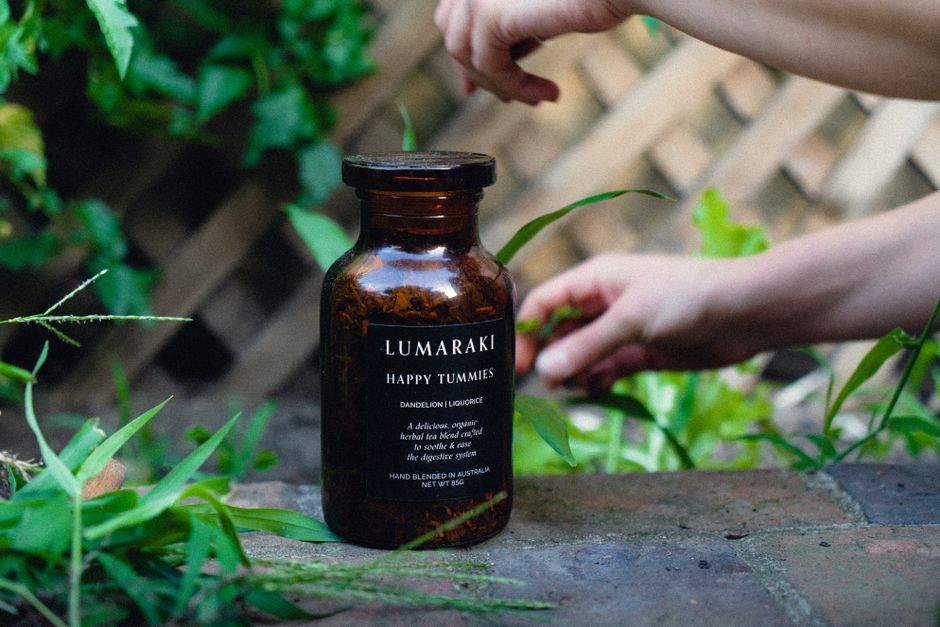
What Tea is Good for Digestion and Weight Loss
Most people reach for a cup of tea expecting a quick fix, but the real benefits are quieter than that. They show up in how your gut feels after a heavy meal and in the small daily habits that actually stick.
The honest answer to what tea is good for digestion and weight loss is that no single tea burns fat or fixes your gut overnight. The best choices are unsweetened green tea, peppermint tea, and ginger tea, because they support digestion gently and may slightly increase calorie burn. These teas work best when they replace sugary drinks and become part of a consistent routine, not a one-time remedy.
Most articles promise dramatic results or recommend obscure blends that cost a fortune. This guide skips the hype and focuses on what the evidence actually supports, along with practical ways to fit tea into your day without overthinking it.
You will also learn which teas to avoid, because some popular options are loaded with sugar or compounds that can irritate your stomach. The goal here is simple: help you choose a tea that genuinely supports your digestion and weight loss efforts, not one that just sounds impressive.
Related Articles
Key Points at a Glance
| Point | What It Means | Why It Matters |
|---|---|---|
| Green tea | Contains catechins and caffeine | May slightly boost metabolism and fat burning |
| Peppermint tea | Caffeine-free and soothing | Relieves bloating and supports comfortable digestion |
| Ginger tea | Natural anti-inflammatory compounds | Reduces nausea and helps food move through your system |
| Sweetened teas | Hidden calories from sugar or honey | Can undo any weight loss benefit quickly |
| Consistency | Daily habit over occasional fix | Regular intake produces more reliable results |
How Does Tea Actually Affect Digestion and Weight Loss?
Tea affects your body through two separate pathways: digestion and metabolism. For digestion, certain herbs like peppermint and ginger relax the digestive tract and reduce gas, which eases bloating and discomfort after meals. For weight loss, the effects are smaller but real — some studies suggest that green tea catechins combined with caffeine can increase energy expenditure by a modest amount.
Research published in the Journal of Nutrition found that green tea extract modestly increased fat oxidation during exercise. But the effect is small — roughly an extra 50 to 100 calories burned per day at best. That is not nothing, but it will not overcome a poor diet or a sedentary routine. I always remind myself that tea is a support tool, not a solution on its own.
Practical tip: Drink your tea about 30 minutes before a meal if you want it to help with appetite. Warm liquids can promote a feeling of fullness, which may help you eat slightly less at that meal.
Which Teas Are Best for Digestion?
For digestion, the strongest evidence points to peppermint and ginger tea. Peppermint tea contains menthol, which relaxes the muscles of the digestive tract and can relieve gas and bloating. Ginger tea has anti-inflammatory properties that help reduce nausea and speed up gastric emptying — the time it takes for food to leave your stomach.
Chamomile tea is another gentle option that may help with evening digestion and sleep, though its effects are milder. I keep a box of peppermint tea in my desk drawer for days when lunch sits heavy — it genuinely makes a noticeable difference within 20 minutes.
What Tea is Good for Weight Loss Specifically?
Green tea and oolong tea have the most research behind them for weight loss. Both come from the same plant, Camellia sinensis, and contain catechins that may slightly increase fat burning. Oolong tea sits between green and black tea in oxidation, and some studies suggest it may help with fat metabolism, though the evidence is less consistent than for green tea.
Black tea and white tea also come from the same plant, but they undergo different processing that changes their compound profile. Black tea is fully oxidized, which reduces catechin content but still offers some benefits. White tea is minimally processed and retains high levels of antioxidants, but research on its weight loss effects is limited.
Practical tip: If you are sensitive to caffeine, choose decaffeinated green tea or stick to herbal options like peppermint and ginger. The weight loss benefit is too small to justify disrupting your sleep.
What About the Teas You Should Avoid?
Many bottled teas and pre-sweetened blends contain more sugar than a can of soda. A 16-ounce bottle of sweetened tea can pack 30 to 40 grams of sugar, which completely cancels out any digestive or metabolic benefit. Always check the label and choose unsweetened versions.
Detox teas are a separate category you should approach with caution. Many contain senna or other laxative herbs that cause water loss and bowel movements, which is not actual fat loss. No strong clinical evidence supports their use for weight loss, and they can cause cramping and dehydration.
I have seen clients spend significant money on detox tea blends that did nothing but make them feel jittery and dehydrated. Plain green tea or peppermint tea is cheaper, safer, and more effective.
How Should You Drink Tea for Best Results?
Consistency matters more than quantity. Drinking two to three cups of unsweetened tea spread across the day is a reasonable target for most people. The key is to replace sugary beverages with tea rather than adding it on top of your usual drinks.
Brewing method also affects the benefits. Steeping green tea for two to three minutes in water that is hot but not boiling — around 175 degrees Fahrenheit — preserves more of the catechins. Boiling water can destroy some of the beneficial compounds.
Timing your tea intake can help with digestion. A cup of peppermint or ginger tea after meals supports comfortable digestion, while green tea earlier in the day provides a gentle caffeine lift. I personally avoid green tea after 3 p.m. because the caffeine lingers longer than people expect.
Practical tip: If you do not like the taste of plain green tea, add a slice of lemon or a small piece of fresh ginger. These additions add flavor without adding sugar.
Is There a Best Time of Day to Drink Tea?
Morning and early afternoon are the best times for caffeinated teas like green or oolong. The caffeine can support alertness and may slightly enhance metabolism during the day. Evening is better suited for caffeine-free herbal options like peppermint, chamomile, or ginger.
Drinking tea right before bed can disrupt sleep if it contains caffeine, which in turn harms weight loss efforts. Poor sleep increases hunger hormones and makes it harder to stick to healthy food choices. If you want a warm evening drink, choose an herbal tea and check that it is caffeine-free.
Frequently Asked Questions
Can tea alone help me lose weight?
No. Tea may slightly boost metabolism, but the effect is too small to cause meaningful weight loss on its own. It works best alongside a balanced diet and regular physical activity.
How many cups of tea should I drink daily for weight loss?
Two to three cups of unsweetened tea per day is a reasonable target for most people. Drinking more than that does not provide additional benefits and may cause digestive discomfort.
Is green tea better than coffee for weight loss?
Green tea offers a milder caffeine boost and contains catechins that coffee does not have. Coffee has its own benefits, but green tea is the better choice if you want digestive support alongside a gentle metabolism boost.
Does adding milk to tea reduce its benefits?
Some research suggests that milk proteins may bind to catechins and reduce their absorption. If you want maximum benefit from green tea, drink it without milk or with a squeeze of lemon instead.
Are detox teas safe for weight loss?
No strong clinical evidence supports detox teas for weight loss, and many contain laxative herbs that can cause dehydration and cramping. Plain unsweetened tea is safer and more effective.
What is the best tea to drink after a heavy meal?
Peppermint or ginger tea is best after a heavy meal because both help relax the digestive tract and reduce bloating. These teas are caffeine-free, so they will not interfere with your evening sleep.
If you want to track how tea fits into your overall calorie plan, use our TDEE Calculator to understand your daily energy needs. Knowing your maintenance calories makes it easier to see how small choices like tea add up over time.
Choose one tea that fits your taste and your schedule, then make it a daily habit for two weeks. Notice how your digestion feels and whether it helps you skip sugary drinks. That consistent approach will do more for your weight loss than any single cup ever could.

The TDEECAL Team writes about nutrition, metabolism, and fat loss the way we built our calculator, with real numbers and no hype. We dig into the research so you don’t have to guess.