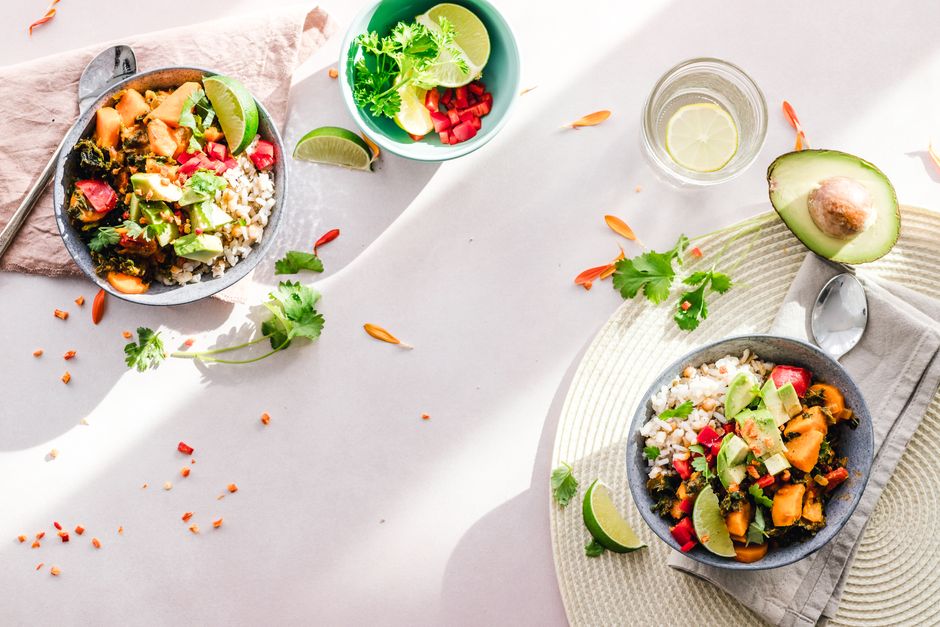
Most women trying to lose weight don’t need to eliminate carbs entirely — they need to swap the right ones in. The goal is replacing refined carbohydrates with foods that keep you full longer and stabilize blood sugar.
What to replace carbs with for weight loss comes down to three main food groups: lean proteins, non-starchy vegetables, and healthy fats. These foods provide more satiety per calorie than refined carbs, meaning you feel fuller on fewer calories. This approach works because it targets the root of overeating — hunger — rather than relying on willpower alone.
Most generic advice tells you to “eat less, move more,” but that misses the real problem. The issue isn’t that you’re eating too much food; it’s that the foods you’re choosing digest too quickly and leave you hungry an hour later. This article covers practical swaps that fit real life, not just theory.
You won’t find extreme protocols here. Instead, you’ll get evidence-based food substitutions that work with your existing meals, plus specific portions and preparation tips that make the transition easier.
Key Points at a Glance
| Point | What It Means | Why It Matters |
|---|---|---|
| Protein first | Replace half your carb portion with lean protein | Protein reduces hunger hormones and preserves muscle during weight loss |
| Vegetables as volume | Fill half your plate with non-starchy vegetables | High fiber and water content fill your stomach for very few calories |
| Healthy fats strategically | Add small portions of nuts, avocado, or olive oil | Fats slow digestion and help you feel satisfied longer |
| Smart carb timing | Keep some whole grains, especially after workouts | Complete elimination rarely works long-term for most women |
How Much Protein Should Replace Your Carbs?
Research consistently shows that higher protein intake supports weight loss by increasing fullness and reducing overall calorie consumption. Studies indicate that replacing roughly one-quarter to one-third of your carbohydrate calories with protein can reduce daily intake by 300 to 400 calories without conscious effort.
A practical starting point is 0.6 to 0.8 grams of protein per pound of body weight per day. For a 160-pound woman, that’s roughly 96 to 128 grams daily, spread across three to four meals.
What to Replace Carbs with for Weight Loss at Every Meal
Breakfast is often the hardest meal to adjust because traditional options are carb-heavy. Instead of toast or cereal, try eggs with sauteed spinach, Greek yogurt with berries, or a vegetable omelet with a small side of fruit.
Lunch and dinner follow the same pattern. Replace rice with cauliflower rice or shredded cabbage, swap pasta for zucchini noodles or spaghetti squash, and use lettuce wraps instead of bread. These substitutions cut 100 to 300 calories per meal while keeping volume high.
Snacks matter too. Replace crackers and pretzels with hard-boiled eggs, cheese cubes, or sliced vegetables with hummus. These options provide protein and fiber that keep you satisfied between meals.
Are All Carbs Bad for Weight Loss?
No. The evidence is clear that whole-food carbohydrates — like oats, quinoa, beans, and fruit — support weight loss when eaten in appropriate portions. The problem is refined carbs: white bread, sugary cereals, pastries, and sweetened drinks.
Research published in the American Journal of Clinical Nutrition found that diets emphasizing whole grains and legumes are associated with better weight maintenance over time. The fiber in these foods feeds beneficial gut bacteria and slows glucose absorption.
Keep roughly one-quarter of your plate as whole-food carbs. This provides energy for daily activities and makes the diet sustainable long-term, which matters more than short-term restriction.
What About Carb Replacements Like Low-Carb Bread or Pasta?
Commercial low-carb replacements vary widely in quality. Many contain modified starches and additives that may not offer the same benefits as whole foods. Some studies suggest these products can still spike blood sugar despite the marketing claims.
Your best approach is reading labels carefully. Look for products where the first ingredients are whole foods like almond flour, coconut flour, or vegetable powders. Be cautious with anything containing heavy amounts of isolated fibers or artificial sweeteners.
A simpler strategy is making your own replacements at home. Cauliflower rice takes five minutes in a food processor, and zucchini noodles need only a spiralizer. These homemade options are cheaper and contain no hidden additives.
How Many Calories Should You Actually Eat?
Your calorie target depends on your age, height, weight, and activity level. Using a TDEE calculator gives you a starting point by estimating your total daily energy expenditure. From there, a moderate deficit of 300 to 500 calories per day typically supports sustainable weight loss of one to two pounds per week.
Women should generally not go below 1,200 calories per day without medical supervision. This is a clinical minimum, not a target. Most women find success in the 1,400 to 1,800 range depending on their size and activity.
Calculate your maintenance calories with our TDEE Calculator, then subtract 300 to 500 calories for weight loss. Adjust based on your weekly progress rather than daily fluctuations.
Frequently Asked Questions
Related Articles
What can I eat instead of carbs to feel full?
Lean proteins like chicken, fish, and eggs are the most filling replacements. Non-starchy vegetables add bulk and fiber for very few calories.
How many carbs should I eat per day to lose weight?
Most women lose weight successfully on 100 to 150 grams of carbs per day from whole-food sources. Individual needs vary based on activity level and body size.
Can I still eat potatoes and rice while losing weight?
Yes, in controlled portions — roughly half a cup to one cup per meal. Keep them whole and pair them with protein and vegetables to slow digestion.
Are low-carb diets better than low-fat diets for weight loss?
Both approaches work when calorie intake is controlled. The best diet is the one you can maintain consistently over months, not weeks.
What is the fastest way to see results from replacing carbs?
Start with breakfast — it sets your hunger patterns for the day. Replace cereal and toast with eggs and vegetables for three days and notice the difference in afternoon cravings.
Replacing refined carbs with protein and vegetables is a proven, sustainable approach to weight loss. Start with one meal per day, track your results, and adjust based on how your body responds.

The TDEECAL Team writes about nutrition, metabolism, and fat loss the way we built our calculator, with real numbers and no hype. We dig into the research so you don’t have to guess.