Most people assume chicken breast is the only answer. But the real answer depends on how much protein you need, how you cook the meat, and what fits your daily calorie target.
When you ask what type of meat is good for weight loss, the direct answer is lean protein sources like chicken breast, turkey breast, lean cuts of beef, and pork tenderloin. These meats are high in protein, relatively low in calories, and keep you full longer than processed options like bacon or sausage. The key is choosing cuts with less visible fat and cooking them without added oils or heavy sauces.
Protein matters for weight loss because it preserves muscle while you cut calories. Muscle burns more energy than fat, even at rest. So choosing the right meat isn’t just about fewer calories — it’s about keeping your metabolism working in your favor.
This article covers which meats fit a weight loss plan, how much protein you actually need, and which options to limit. You’ll also get practical cooking tips that make a real difference in calories.
Key Points at a Glance
| Point | What It Means | Why It Matters |
|---|---|---|
| Lean cuts win | Chicken breast, turkey breast, and lean beef have fewer calories per gram | You get more protein for fewer calories |
| Processing matters | Bacon, sausage, and deli meats add sodium and fat | Processed meats are linked to higher calorie intake |
| Cooking method counts | Grilling, baking, and roasting add no extra calories | Frying can add 100+ calories per serving |
| Portion size is key | A palm-sized serving is roughly 3–4 ounces cooked | Even lean meat adds up if portions grow |
What Type of Meat is Best for Losing Weight?
Chicken breast tops most lists, and for good reason. A 3-ounce cooked serving has about 165 calories and 31 grams of protein, with only about 3.6 grams of fat according to USDA data. Turkey breast is similar, with slightly fewer calories per serving.
Lean beef deserves more attention than it gets. Cuts like sirloin, flank steak, and 93% lean ground beef provide about 180 calories and 25 grams of protein per 3-ounce serving. The iron and zinc in beef also support energy levels, which helps if you’re exercising more.
How Much Protein Do You Need for Weight Loss?
Most research suggests aiming for 0.6 to 0.8 grams of protein per pound of body weight when you’re actively losing weight. That means a 160-pound woman would target roughly 96 to 128 grams of protein daily. This range helps preserve lean muscle while you’re in a calorie deficit.
Spreading protein across meals works better than eating it all at once. Aim for 25 to 40 grams at each meal. This keeps you satisfied between meals and reduces the chance of late-day cravings.
If you’re not sure how many calories you should be eating, use the TDEE Calculator to find your maintenance number first. Then subtract 300 to 500 calories for a sustainable deficit.
Which Meats Should You Limit?
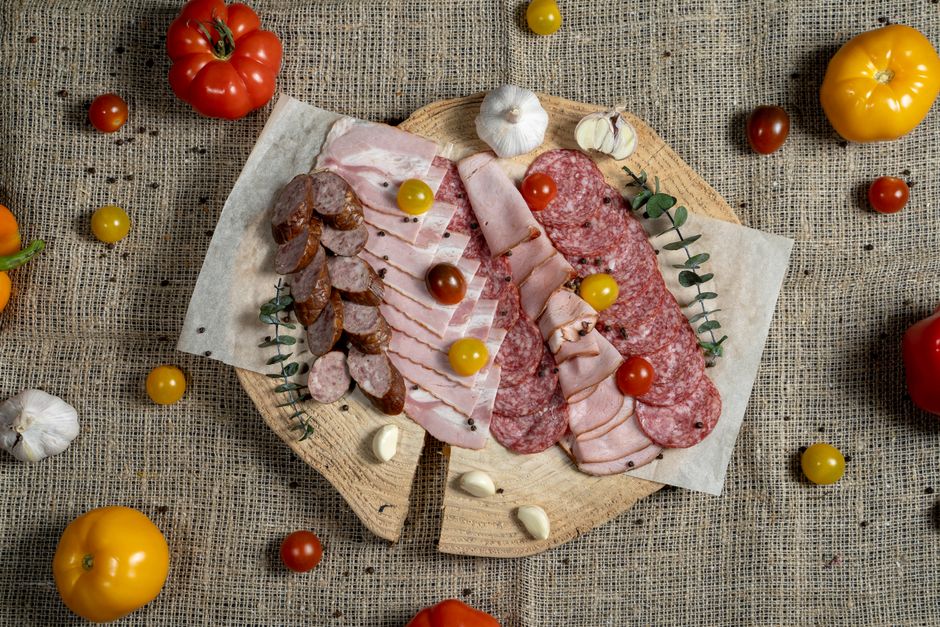
Processed meats like bacon, sausage, hot dogs, and deli turkey are the ones to limit. They’re calorie-dense, high in sodium, and often contain added sugars. A 2015 World Health Organization report classified processed meats as carcinogenic to humans, and the evidence has only strengthened since.
Fatty cuts like ribeye, T-bone, and chicken thighs with skin are fine occasionally but not daily. They’re not “bad” — they just have more calories per bite. If you prefer dark meat, remove the skin and watch your portion size.
Some studies suggest red meat intake above 18 ounces per week may increase colorectal cancer risk. That doesn’t mean you must avoid beef entirely. It means lean beef a few times per week, portion-controlled, is a reasonable approach.
Does Cooking Method Change the Calories?
Yes, and more than most people realize. A 3-ounce chicken breast baked or grilled stays around 165 calories. The same piece of chicken fried in breading jumps to roughly 300 to 400 calories depending on the batter and oil. That’s double the calories from the same meat.
Grilling, baking, roasting, and air-frying add minimal calories. Pan-searing in a non-stick pan with cooking spray works too. Marinating adds flavor without significant calories if you skip sugar-heavy sauces.
Frequently Asked Questions
Related Articles
Is pork good for weight loss?
Yes, pork tenderloin is one of the leanest meats available, with about 145 calories and 26 grams of protein per 3-ounce serving. Choose loin cuts over shoulder or belly, which are much higher in fat.
How often can I eat red meat while losing weight?
Two to three times per week is a reasonable target for lean cuts like sirloin or flank steak. Keep portions at 3 to 4 ounces cooked, about the size of your palm.
Are plant-based meat alternatives better for weight loss?
Not necessarily — many plant-based burgers and sausages are calorie-dense and heavily processed. Check the label; some contain as many calories as beef but less protein.
Does eating meat at night affect weight loss?
No strong evidence shows that eating meat at night slows weight loss. Total daily calories and protein intake matter more than timing.
Can I eat meat every day and still lose weight?
Yes, as long as you choose lean cuts, control portions, and stay within your calorie target. Daily lean meat is a common pattern in successful weight loss plans.

The TDEECAL Team writes about nutrition, metabolism, and fat loss the way we built our calculator, with real numbers and no hype. We dig into the research so you don’t have to guess.