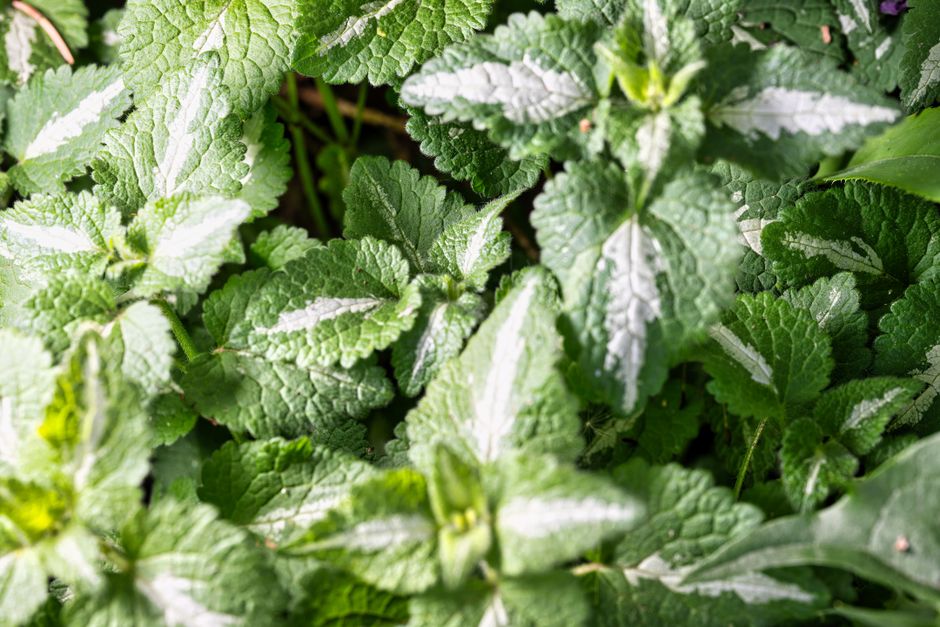
Lemon balm is one of those herbs people stumble onto by accident — usually in a bedtime tea — and then start wondering whether it could do more than help them sleep. If you’re juggling a weight loss plan and a stressed-out nervous system, the timing question matters more than most supplement labels admit.
Take lemon balm for weight loss in the evening, roughly 30 to 60 minutes before bed, because the strongest evidence for this herb centers on sleep and stress rather than fat burning. When to take lemon balm depends on your goal: evening dosing supports sleep quality, while daytime use may help with acute stress. No clinical guideline sets a weight loss dose.
Here’s the honest part. Lemon balm is not a fat burner, and no study has shown it causes weight loss directly. What it may do is support the two things that quietly sabotage most diets: poor sleep and unmanaged stress.
That distinction matters. Plenty of search results blur the line between “may support” and “causes,” and that gap is where women in their 30s, 40s, and 50s waste money and hope. This article separates what the research actually shows from what the marketing implies.
You’ll get practical timing guidance, a clear look at the sleep-and-stress connection to appetite, and honest answers about what lemon balm can and cannot do for your goals.
Key Points at a Glance
| Point | What It Means | Why It Matters |
|---|---|---|
| Best time to take it | Evening, 30 to 60 minutes before bed | Sleep support is the best-evidenced benefit |
| Direct fat burning | No strong clinical evidence supports this | Prevents wasted spending on a false promise |
| Indirect role | May support sleep quality and stress response | Both influence appetite and food choices |
| Daytime use | Possible for acute stress, not for weight loss | Keeps expectations realistic |
| Dose guidance | No established clinical guideline exists for weight loss | Dosing should follow the product label or your clinician |
Why Does Timing Matter When to Take Lemon Balm?
Timing matters because lemon balm’s most studied effects are calming and sleep-related, not metabolic. Some research suggests lemon balm can reduce acute stress and improve sleep quality in certain populations. Those effects are strongest in the hours before bed.
Take it in the morning and you may waste the sedative-leaning benefit during your most alert hours. Take it too late and you may still feel groggy at your alarm. Thirty to 60 minutes before bed is the window most people land on.
Does Lemon Balm Actually Help With Weight Loss?
No strong clinical evidence currently supports lemon balm as a weight loss aid. No study has confirmed that lemon balm increases fat oxidation, reduces body fat, or changes metabolism in a meaningful way. Claims otherwise are marketing, not science.
What the evidence does support is a modest role in stress and sleep. And that’s not nothing. Chronic short sleep is consistently linked with higher appetite, stronger cravings for calorie-dense foods, and worse dietary adherence. Stress drives similar patterns.
So lemon balm’s plausible path to your goals runs through behavior, not biology. If it helps you sleep better and feel calmer, the downstream effect on food choices may help. That’s an indirect benefit, and it’s honest to call it that.
How Does Sleep Affect Appetite and Weight?
Research consistently shows that short sleep duration is associated with higher body weight and greater calorie intake. Studies have found that sleep-restricted adults tend to eat more calories, often from snacks and refined carbohydrates. The effect is measurable and repeatable.
Part of this runs through appetite hormones — ghrelin, which drives hunger, and leptin, which signals fullness. Short sleep appears to nudge both in unhelpful directions. Part of it is simpler: tired people reach for quick energy.
This is why an evening herb that supports sleep can matter for weight loss even though it doesn’t burn fat. Your TDEE calculator can show you how many calories you need each day, but sleep quality affects how well you stick to that number.
Can Lemon Balm Help With Stress Eating?
Evidence indicates lemon balm may reduce acute stress and anxiety in some people, though results vary across studies and the effect is generally modest. It is not a treatment for an anxiety disorder or an eating disorder. Those need clinical care.
Stress eating is real and well-documented, but it’s driven by many factors — hormones, habit, environment, emotional state. A single herb won’t rewire that. It may take the edge off a tense evening, which is a smaller and more defensible claim.
If stress eating is a major pattern for you, the more effective tools are sleep, regular meals with adequate protein, and support from a registered dietitian or therapist. Lemon balm can sit alongside those. It can’t replace them.
Is Lemon Balm Safe to Take Every Night?
Lemon balm is generally regarded as safe for short-term use in healthy adults, though long-term safety data is limited. Some evidence suggests it may interact with thyroid medications, so check with your clinician if you take levothyroxine or similar drugs.
It may also add to the effects of sedatives, including sleep aids and some anti-anxiety medications. If you’re pregnant, breastfeeding, or managing a medical condition, talk to your doctor before starting.
Related Articles
Frequently Asked Questions
When should I take lemon balm for weight loss?
Take lemon balm in the evening, about 30 to 60 minutes before bed, since its best-supported benefits relate to sleep and stress. There is no clinical guideline recommending a specific weight loss timing or dose.
Does lemon balm burn belly fat?
No strong clinical evidence supports lemon balm burning belly fat or fat anywhere else. Any claims about fat loss from this herb are not backed by human research.
Can I take lemon balm during the day?
Yes, some people take lemon balm during the day for acute stress, and it is generally well tolerated. It may cause drowsiness in some people, so avoid it before driving if you notice that effect.
How long before bed should I take lemon balm?
Most people take it 30 to 60 minutes before bed to allow time for the calming effect to settle in. Start earlier if you tend to feel groggy the next morning.
Does lemon balm interact with medications?
Lemon balm may interact with thyroid medications and may add to the effects of sedatives. Check with your doctor or pharmacist before starting it if you take either.
Will lemon balm help me lose weight on its own?
No, lemon balm will not cause weight loss on its own, and no study has shown it does. It may indirectly support your efforts if better sleep and lower stress help you eat closer to your calorie needs.
For a clearer picture of how many calories you actually need each day, run your numbers through the TDEE calculator before you build a plan around any supplement.

The TDEECAL Team writes about nutrition, metabolism, and fat loss the way we built our calculator, with real numbers and no hype. We dig into the research so you don’t have to guess.