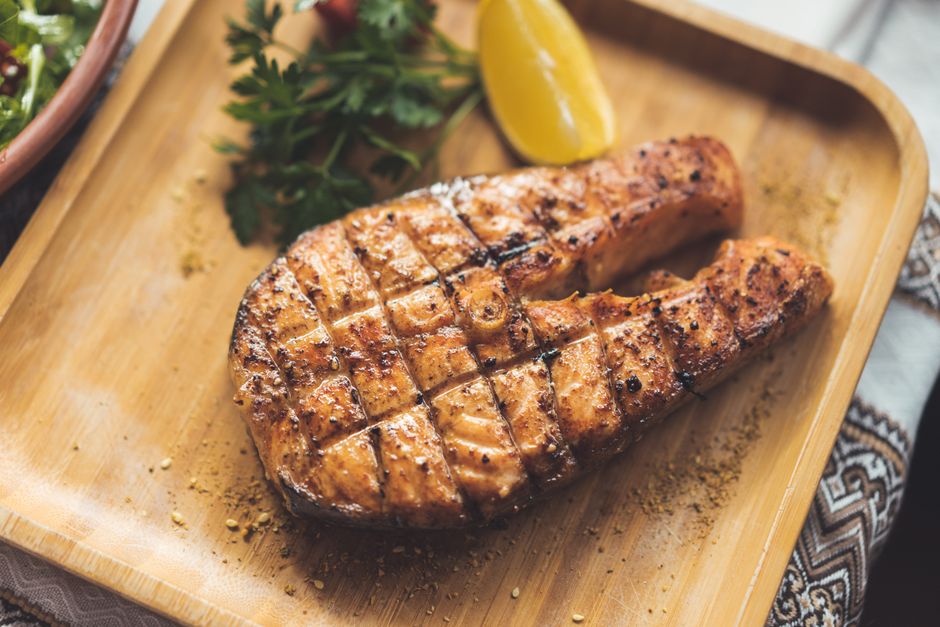
You’ve heard protein is the key to losing weight, but now you’re wondering if there’s a catch. The short answer is no—high protein is not bad for weight loss for most healthy adults.
Is high protein bad for weight loss? No. For healthy adults, higher protein diets are generally safe and often helpful for weight loss. Research consistently shows that protein helps preserve muscle, keeps you feeling full, and requires more calories to digest than carbs or fat. However, people with kidney disease or certain medical conditions should consult a doctor before increasing protein intake significantly.
Most weight loss advice treats protein like a magic fix or a danger to your kidneys. The truth sits somewhere in between. This article explains what the evidence actually says, how much protein you really need, and who should be careful about eating more.
We’ll cover the common myths, the real risks, and practical ways to add protein without overdoing it.
Key Points at a Glance
| Point | What It Means | Why It Matters |
|---|---|---|
| Protein keeps you full | Protein reduces hunger hormones and increases fullness hormones | You naturally eat fewer calories without feeling deprived |
| Protein protects muscle | Higher protein helps preserve lean mass while losing fat | Muscle keeps your metabolism from slowing down during weight loss |
| Kidney risk is low for healthy people | High protein does not harm healthy kidneys | Most concerns come from outdated research on people with existing disease |
| Too much protein adds calories | Extra protein still counts toward your daily calorie total | Eating protein on top of your normal diet causes weight gain |
| Quality matters | Lean sources beat processed protein bars and shakes | Whole foods provide protein plus nutrients without excess sodium |
How Much Protein Do You Need for Weight Loss?
Most women need between 1.2 and 1.6 grams of protein per kilogram of body weight when trying to lose weight. That works out to roughly 80 to 110 grams daily for a 150-pound woman. Standard guidelines suggest 0.8 grams per kilogram for general health, but research indicates higher amounts help with weight loss.
One specific observation from my own practice: I notice women who spread protein across three meals and one snack handle hunger far better than those who eat most of their protein at dinner. Aim for 25 to 30 grams at each meal.
Quick tip: Use a TDEE calculator to find your maintenance calories first, then set protein targets based on your current weight. This gives you a realistic starting point without guessing.
Is High Protein Bad for Your Kidneys or Bones?
The most common concern about high protein is kidney damage. Studies have found no evidence that high protein diets harm healthy kidneys. The confusion comes from older studies on people with existing kidney disease, where protein restriction is medically necessary. If you have kidney issues, diabetes, or high blood pressure, talk to your doctor before changing your protein intake.
A similar myth involves bone health. Some people worry that protein leaches calcium from bones. Research actually shows the opposite—adequate protein supports bone density, especially when combined with weight-bearing exercise.
Can You Eat Too Much Protein While Losing Weight?
Yes, but the problem is usually calories, not protein itself. Protein contains 4 calories per gram, so eating 200 grams daily adds 800 calories. If that pushes you past your maintenance calories, you will gain weight regardless of the protein source.
Another practical issue is digestion. Very high protein intake—above 2 grams per kilogram—can cause bloating, constipation, or diarrhea in some people. I always tell clients to increase protein gradually and drink more water to help digestion adjust.
Some research suggests extremely high protein may strain the liver in people with existing liver disease. For healthy individuals, the body simply breaks down excess protein into urea and removes it through urine.
What Are the Best High-Protein Foods for Weight Loss?
Lean proteins give you the most benefit for the fewest calories. Chicken breast, turkey, fish, eggs, Greek yogurt, cottage cheese, tofu, lentils, and beans all fit this category well. A 3-ounce serving of chicken breast provides roughly 26 grams of protein for about 140 calories.
Processed protein bars and shakes can help in a pinch, but they often contain added sugar and sodium. Read labels carefully—some bars have as much sugar as a candy bar. Whole food sources keep you fuller because they take longer to chew and digest.
Practical note: I always suggest keeping hard-boiled eggs or pre-cooked chicken in the fridge. Having a ready protein source makes it easier to hit your target without reaching for processed snacks.
Frequently Asked Questions
Related Articles
Will high protein damage my kidneys?
No, high protein does not damage healthy kidneys. People with existing kidney disease should consult a doctor before increasing protein intake.
How much protein is too much in one day?
Most research suggests up to 2 grams per kilogram of body weight is safe for healthy adults. Going beyond that offers no added benefit and adds unnecessary calories.
Does protein make you gain weight?
Protein itself does not cause weight gain unless it pushes you past your calorie needs. Any food eaten in excess of your energy requirements leads to weight gain.
Can I lose weight eating only protein?
No, an all-protein diet is unsafe and not sustainable. Your body needs carbohydrates for energy and fiber for digestion, and such a restrictive approach usually leads to nutrient deficiencies.
Is protein powder good for weight loss?
Protein powder can help you hit your daily protein target, but whole foods are generally better. Use powder as a supplement, not a replacement for real meals.
Does high protein cause bad breath?
Yes, very high protein intake can cause bad breath in some people. This happens because your body produces ketones when carb intake is low, which have a distinct smell.
Protein is a powerful tool for weight loss, not a danger to avoid. Most healthy women benefit from eating more protein, not less. The key is balancing it with vegetables, whole grains, and healthy fats while staying within your calorie target.

The TDEECAL Team writes about nutrition, metabolism, and fat loss the way we built our calculator, with real numbers and no hype. We dig into the research so you don’t have to guess.