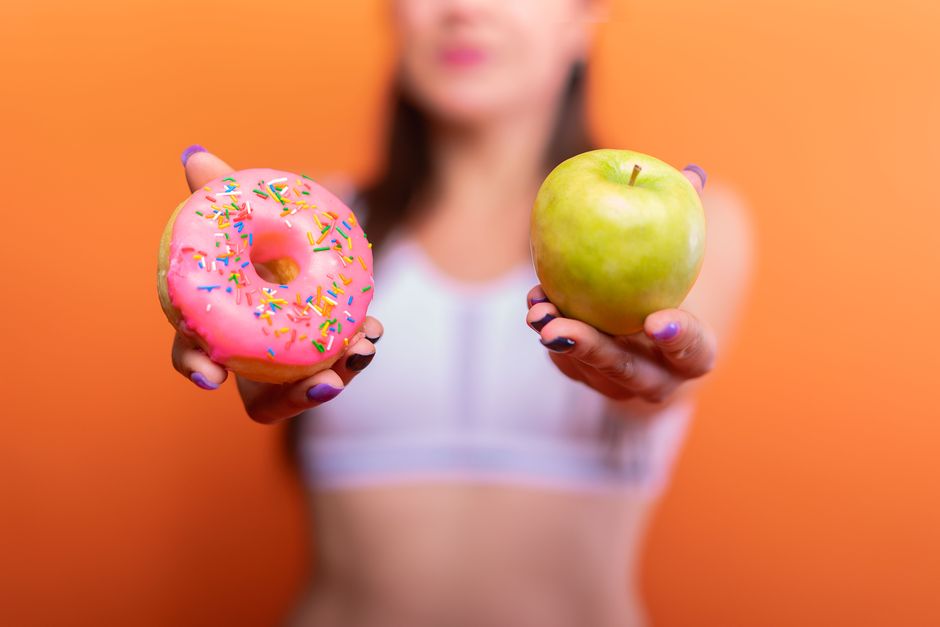
Most weight loss plans fail because they ask you to track everything, cut entire food groups, or follow complicated rules. The science of weight loss is actually straightforward, but the way most diets are presented makes it feel impossible. You need a plan that works with your real life, not one that demands perfection.
A simple diet for weight loss focuses on whole foods, adequate protein, and consistent calorie control without requiring you to count every gram. Research consistently shows that sustainable weight loss comes from small, repeatable habits rather than dramatic overhauls. This article breaks down the core principles that actually matter and skips the trends that don’t.
Most search results push specific meal plans or detoxes that you can’t maintain past week two. What you need instead is a framework you can adapt to your own kitchen, schedule, and taste preferences. Here is what the evidence says about building a simple diet that works for weight loss.
Key Points at a Glance
| Point | What It Means | Why It Matters |
|---|---|---|
| Calorie balance | Weight loss requires eating fewer calories than you burn | This is the only mechanism that reliably produces fat loss |
| Protein priority | Aim for 25-30 grams of protein at each meal | Protein preserves muscle and keeps you full longer |
| Vegetable volume | Fill half your plate with non-starchy vegetables | High fiber and water content add bulk without many calories |
| Consistency over perfection | Follow the plan 80% of the time | Occasional lapses don’t erase progress if you return to the plan |
| Sleep and stress | Poor sleep and high stress raise hunger hormones | These factors can undermine even a well-designed diet |
What Does a Simple Diet for Weight Loss Actually Look Like?
A simple diet for weight loss doesn’t require special foods or expensive meal delivery. It centers on three meals with a protein source, a vegetable, and a sensible carbohydrate portion. You eat until satisfied, not stuffed, and you stop snacking unless you’re genuinely hungry.
I keep a bag of frozen vegetables in the freezer at all times. When I’m short on time, I microwave a cup of broccoli or green beans and add it to whatever protein I’m cooking. That single habit adds fiber and volume to almost any meal without extra effort.
Practical start: Pick one meal you eat most days and rebuild it around protein and vegetables. Get that one meal consistent before changing anything else. Small wins build momentum better than a full overhaul.
Why Protein Matters More Than You Think
Protein is the most important nutrient for weight loss because it directly affects fullness and muscle preservation. Studies have found that people who eat higher protein diets lose more fat and retain more lean mass compared to those eating standard amounts. A practical target is roughly 0.7 to 1 gram of protein per pound of body weight, though this varies by individual needs.
Eggs, Greek yogurt, chicken breast, fish, lentils, and tofu are all solid protein sources. You don’t need protein shakes or supplements to hit your target. I always keep hard-boiled eggs in the fridge for busy mornings — they take seconds to grab and keep me from reaching for a pastry.
How Many Calories Should You Eat?
Your calorie target depends on your age, height, weight, and activity level. A reasonable starting point is to eat 300 to 500 calories below your maintenance needs, which typically produces a loss of about one to two pounds per week. Use a TDEE calculator to estimate your maintenance calories, then subtract from that number.
For most women, this lands somewhere between 1,400 and 1,800 calories per day, but this is only a starting estimate. You may need to adjust based on your actual rate of weight loss over several weeks. Never drop below 1,200 calories per day without medical supervision — that is a clinical minimum that requires oversight.
Simple tracking: You don’t need to track forever. Use a food scale and an app for two weeks to learn what appropriate portions look like. After that, most people can estimate accurately without logging every meal.
What About Carbs and Fats?
Carbohydrates are not the enemy, and neither are fats. The evidence is mixed on low-carb versus low-fat approaches, but the results are similar when calories are matched. What matters is choosing quality sources: whole grains, fruits, and vegetables over refined flour and added sugar.
Healthy fats from olive oil, nuts, seeds, and avocados support hormone function and help meals feel satisfying. The key is portion control, since fats are calorie-dense. A thumb-sized portion of nuts or a tablespoon of oil is plenty for most meals.
How to Handle Hunger and Cravings
Hunger is normal, especially in the first few weeks of a calorie deficit. The best strategy is to build meals that keep you full: protein, fiber, and water-rich foods all slow digestion and stabilize blood sugar. If you’re hungry between meals, drink a glass of water first — thirst is often mistaken for hunger.
I find that cravings usually pass within 15 minutes. When one hits, I distract myself with a walk or a glass of sparkling water instead of immediately eating. That pause is often enough to break the urge.
Frequently Asked Questions
Related Articles
Is a simple diet for weight loss sustainable long-term?
Yes, because it focuses on habits you can maintain rather than restrictive rules. The most successful dieters are those who can follow their plan without feeling deprived.
How fast will I see results on a simple diet?
Most people lose one to two pounds per week when they maintain a consistent calorie deficit. Water weight changes can make the scale fluctuate, so focus on weekly trends rather than daily numbers.
Do I need to cut out sugar completely?
No, but you should reduce added sugar and keep it within your calorie budget. Small amounts of sugar are fine if they don’t push you over your daily target.
Can I eat out while following a simple diet?
Yes, choose grilled proteins, vegetables, and ask for sauces on the side. Most restaurant portions are large, so consider taking half home before you start eating.
What if I plateau after a few weeks?
Plateaus are common and usually mean your calorie needs have shifted with weight loss. Recalculate your TDEE, check your portion sizes, and consider adding more steps to your day.
Do I need to exercise to lose weight on a simple diet?
No, weight loss primarily comes from calorie control, but exercise supports muscle preservation and overall health. Even regular walking can meaningfully increase your daily calorie burn.
You can calculate your personal calorie needs using our TDEE calculator to get a more precise starting point. The best diet is the one you can actually follow consistently — start simple, adjust as you learn, and give yourself time to see results.

The TDEECAL Team writes about nutrition, metabolism, and fat loss the way we built our calculator, with real numbers and no hype. We dig into the research so you don’t have to guess.