Is Burrata Cheese Good for Weight Loss?
Burrata is the creamy cheese that shows up on restaurant menus and in grocery stores everywhere. It looks fancy, but many women wonder if it fits into a weight loss plan without derailing their progress.
The short answer is yes, burrata can fit into a weight loss diet, but only if you watch your portions. Burrata is higher in calories and fat than many other cheeses because of its creamy center, so it works best as a treat you measure out rather than something you eat freely. A typical serving is about two ounces, which is roughly the size of two golf balls. That serving delivers around 150 to 180 calories, depending on the brand and whether it is made with whole milk or part-skim milk.
Most articles about cheese and weight loss either tell you to avoid cheese completely or claim it is harmless. Neither approach is honest. Burrata sits in the middle. It can help you stick to your diet because it makes vegetables and salads feel satisfying, but it can also add hundreds of extra calories if you eat the whole ball in one sitting. This guide breaks down the actual nutrition, how to enjoy it without overdoing it, and how it compares to other cheeses you might already eat.
Related Articles
Key Points at a Glance
| Point | What It Means | Why It Matters |
|---|---|---|
| Calorie density | Burrata is calorie-dense because of its cream-filled center | Small portions are essential for weight loss |
| Protein content | Provides about 6 grams of protein per serving | Helps with fullness but less than hard cheeses |
| Satiety factor | Fat and protein together keep you fuller longer | Can reduce snacking later in the day |
| Portion control | One ball often contains 2-3 servings | Easy to overeat without measuring first |
| Nutrient profile | Contains calcium and vitamin A | Offers nutritional value beyond just calories |
What Is Burrata Made Of?
Burrata is fresh mozzarella with a twist. The outer shell is solid mozzarella, but the inside is filled with stracciatella, which is shreds of mozzarella mixed with cream. That creamy center is what makes burrata taste so rich, and it is also what adds the extra calories and fat.
One serving of burrata contains roughly 150 to 180 calories, with about 12 to 15 grams of fat and 6 grams of protein. For comparison, the same serving of regular mozzarella has about 85 calories and 6 grams of fat. The difference comes almost entirely from the cream in the center.
I always check the label before buying because some brands use more cream than others. The difference between brands can be 30 or more calories per serving, which adds up if you eat burrata regularly.
How Burrata Affects Weight Loss
Weight loss comes down to eating fewer calories than your body burns. Burrata does not have any special fat-burning properties, but it also does not sabotage your progress if you account for it in your daily calorie budget.
The fat and protein in burrata help you feel full, which can prevent overeating later. Some studies suggest that protein-rich foods reduce hunger hormones and increase feelings of fullness. Burrata has less protein than hard cheeses like cheddar or parmesan, so it is not the best choice if protein is your main goal.
The real risk with burrata is portion distortion. A typical ball from the store weighs about 4 ounces, which is two full servings. Most people eat the entire ball in one sitting without thinking about it. That is 300 to 360 calories before you add the bread, tomatoes, and olive oil that usually come with it.
Is Burrata Cheese Good for Weight Loss Compared to Other Cheeses?
Burrata sits in the middle of the cheese spectrum when it comes to weight loss. It is more calorie-dense than fresh mozzarella or cottage cheese, but less calorie-dense than many aged cheeses like cheddar or brie.
Here is how a two-ounce serving compares:
– Fresh mozzarella: about 85 calories, 6 grams fat, 6 grams protein
– Burrata: about 150 to 180 calories, 12 to 15 grams fat, 6 grams protein
– Cheddar: about 230 calories, 19 grams fat, 13 grams protein
– Brie: about 190 calories, 16 grams fat, 10 grams protein
Burrata gives you less protein per calorie than cheddar, which matters if you are trying to preserve muscle while losing weight. But it is more satisfying than plain mozzarella because of the creamy texture, which means a smaller portion can feel like a treat.
I keep both burrata and a hard cheese like parmesan in my fridge. The parmesan goes on salads and pasta for protein, and the burrata is reserved for when I want something indulgent.
How to Eat Burrata Without Ruining Your Progress
You do not need to give up burrata to lose weight. You just need a strategy for portion control and pairing.
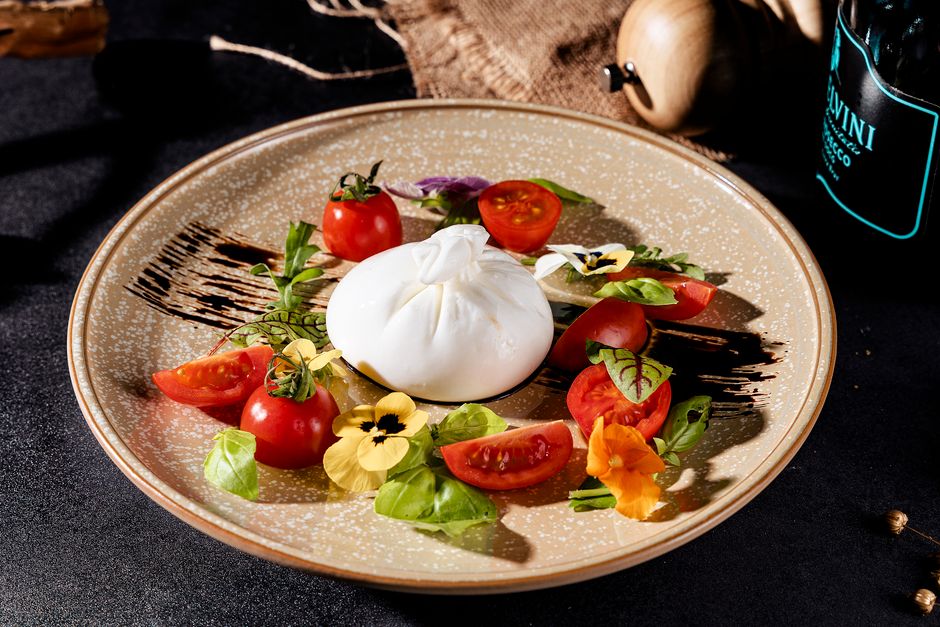
Start with a two-ounce portion. That is roughly a quarter of a typical store-bought ball. Pair it with high-volume, low-calorie foods like cherry tomatoes, arugula, or roasted vegetables. This way you get the creamy richness without blowing your calorie budget.
Skip the white bread and crackers that usually accompany burrata. They add 100 to 200 calories with almost no nutritional value. If you want something crunchy, use cucumber slices or endive leaves instead.
One serving of burrata can fit into most weight loss plans, which typically range from 1,400 to 1,800 calories per day for women. The key is treating it as a planned part of your day rather than an unplanned snack.
Practical Tips for Buying and Storing Burrata
Fresh burrata is best eaten within a day or two of purchase. The creamy center starts to lose its texture quickly, and the flavor becomes more sour as it sits.
Look for burrata packed in water or whey, not oil. The oil-packed versions add extra calories and fat that you do not need. Check the expiration date carefully because fresh burrata spoils faster than aged cheeses.
If you buy burrata and cannot eat it right away, keep it in the coldest part of your fridge. Take it out about 30 minutes before serving so the center softens to room temperature. Cold burrata tastes flat and rubbery, which makes it less satisfying and easier to overeat in search of flavor.
Who Should Skip Burrata
Burrata is not the right choice for everyone. People with lactose intolerance may react to it because the cream adds extra lactose compared to aged cheeses. The fat content also makes it a poor choice for anyone following a very low-fat diet for medical reasons.
If you are tracking calories strictly and you know that creamy foods trigger overeating for you, burrata may be one to avoid. The same goes for anyone who finds it hard to stop at one serving. Some foods are easier to manage than others, and burrata is a trigger food for many people.
No food is worth derailing your progress. If burrata makes you lose control, choose a firmer cheese that is easier to portion.
Frequently Asked Questions
Can I eat burrata every day while losing weight?
Yes, you can eat burrata daily as long as you stay within your calorie budget. A two-ounce portion fits easily into most weight loss plans.
Is burrata healthier than mozzarella?
Burrata is not healthier than mozzarella because it contains more calories and fat from the cream center. Mozzarella is the better choice if you want the same flavor with fewer calories.
How many calories are in a whole ball of burrata?
A typical 4-ounce ball of burrata contains roughly 300 to 360 calories. The exact number depends on the brand and whether it is made with whole milk or part-skim milk.
Does burrata have more protein than other cheeses?
No, burrata has less protein per calorie than hard cheeses like cheddar or parmesan. It provides about 6 grams of protein per two-ounce serving.
Can burrata help me feel full?
Yes, the combination of fat and protein in burrata can help you feel satisfied after eating. This may reduce snacking later in the day if you eat a reasonable portion.
Is burrata good for a low-carb diet?
Yes, burrata is naturally low in carbohydrates with less than 1 gram per serving. It fits well into low-carb and keto eating patterns.
For more personalized guidance, use our TDEE calculator to find your daily calorie target for weight loss.

The TDEECAL Team writes about nutrition, metabolism, and fat loss the way we built our calculator, with real numbers and no hype. We dig into the research so you don’t have to guess.