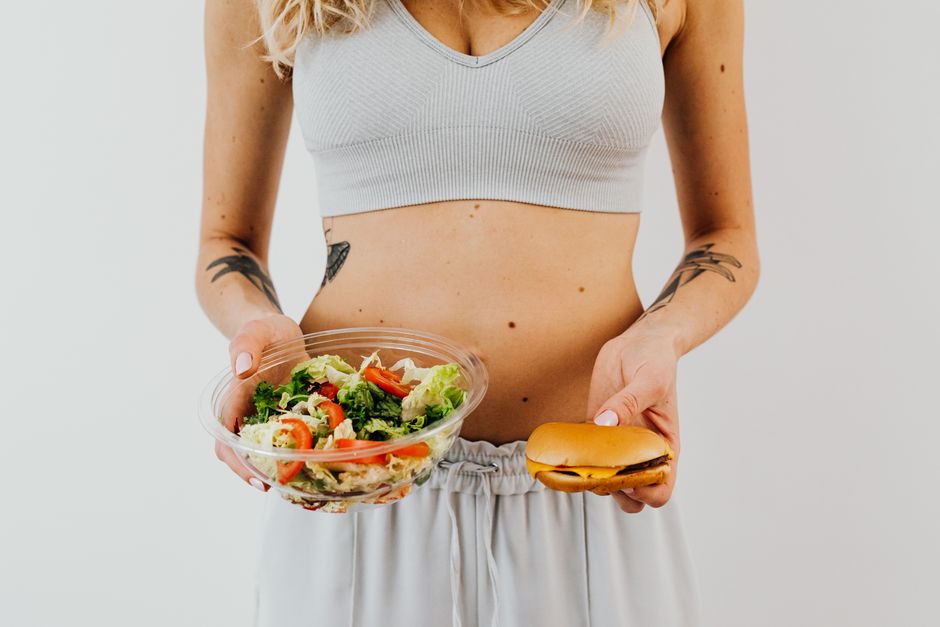
Most weight loss plans fail not because you lack willpower, but because they ask you to cut out entire food groups. That approach rarely lasts, and it often leaves you feeling deprived and confused about what to actually eat.
A good balanced diet for weight loss is one that creates a modest calorie deficit while still providing enough protein, fiber, and healthy fats to keep you full and energized. It focuses on whole foods like vegetables, fruits, lean proteins, and whole grains, while limiting ultra-processed foods and added sugar. This isn’t about perfection—it’s about consistency and building meals you can actually enjoy for years, not just weeks.
Most advice online is either too strict or too vague to follow. This article gives you a practical framework based on nutritional science, without the hype. You’ll learn what a balanced plate looks like, how much protein you really need, and why flexible eating beats rigid rules for long-term success.
Key Points at a Glance
| Point | What It Means | Why It Matters |
|---|---|---|
| Calorie Deficit | Eating slightly fewer calories than your body burns | This is the only way to lose weight, regardless of food choices |
| Protein Intake | Aim for 20-30 grams per meal | Preserves muscle and keeps you satisfied between meals |
| Fiber Focus | 25-30 grams daily from vegetables, fruits, and whole grains | Supports digestion and helps control hunger naturally |
| Flexible Approach | No food is completely off-limits | Prevents the “all-or-nothing” cycle that leads to giving up |
What Does a Balanced Plate Actually Look Like?
Forget complicated macro math. A balanced plate is simple: fill half with non-starchy vegetables, a quarter with lean protein, and a quarter with whole grains or starchy vegetables. Add a small serving of healthy fat like olive oil, avocado, or nuts, and you have a meal that supports weight loss without leaving you hungry.
This structure works because it naturally controls portion sizes without requiring you to weigh every bite. Vegetables provide volume and fiber, protein keeps you full, and the whole grains give you steady energy. I always keep a bag of frozen mixed vegetables in my freezer—when I’m tired, I can add a handful to almost any meal to make it more filling without adding many calories.
What Is a Good Balanced Diet for Weight Loss Over Time?
The best diet is the one you can stick with for months, not days. Research consistently shows that adherence—not the specific diet type—predicts weight loss success. Whether you prefer Mediterranean, low-carb, or a simple portion-controlled approach, the key is finding a pattern you genuinely like.
That means including foods you love, even if they’re not “perfect.” A small daily treat, like a square of dark chocolate or a serving of chips, can prevent the deprivation that leads to binge eating. The goal is progress, not perfection, and consistent small choices beat occasional dramatic efforts.
How Much Protein Do You Really Need?
Protein is the most important nutrient for weight loss because it preserves muscle and reduces appetite. Most women need about 1.2 to 1.6 grams per kilogram of body weight daily, which translates to roughly 20-30 grams at each meal. A palm-sized portion of chicken, fish, tofu, or eggs covers most of that.
Spreading protein across meals works better than eating it all at dinner. I’ve found that starting the day with Greek yogurt or eggs makes the rest of the day easier—I’m less likely to overeat at lunch when my breakfast actually held me. If you struggle to hit your protein target, adding a scoop of protein powder to a smoothie is a practical, evidence-based option.
Why Fiber Is Your Quiet Ally
Fiber slows digestion and stabilizes blood sugar, which helps control cravings. Most American women get only about half the recommended 25-30 grams per day. Beans, lentils, berries, and oats are excellent sources that also count toward your vegetable servings.
You don’t need to overhaul your diet overnight. Add one serving of beans to lunch, swap white rice for quinoa, or have an apple with peanut butter as a snack. Small additions make a real difference, and the extra fiber also supports gut health—something that directly influences how your body handles appetite signals.
What About Carbs and Fats?
Carbohydrates are not the enemy. The issue is the type and amount. Whole-food carbs like sweet potatoes, brown rice, and fruit provide fiber and nutrients that processed carbs like white bread and pastries lack. Keep your carb portions moderate—about a quarter of your plate—and prioritize the whole-food versions.
Fats deserve a place too, but they’re calorie-dense, so portions matter. A thumb-sized portion of oil, a quarter of an avocado, or a small handful of nuts is enough at most meals. These fats help you absorb vitamins and keep meals satisfying, which reduces the urge to snack later.
Frequently Asked Questions
Related Articles
How many calories should I eat to lose weight?
Most women lose weight eating between 1,400 and 1,800 calories daily, depending on their size and activity level. Use a TDEE calculator to find your specific number, and never go below 1,200 calories without medical supervision.
Can I still eat my favorite foods on a balanced diet?
Yes, absolutely. The key is portion control and frequency—enjoy treats occasionally rather than daily, and keep the portion small.
How fast will I see results from a balanced diet?
Healthy weight loss is typically 1-2 pounds per week. Faster loss often comes from extreme restriction, which is hard to maintain and can lead to muscle loss.
Do I need to count calories forever?
No. Once you learn what balanced portions look like, most people can switch to intuitive eating. Calorie tracking is a useful learning tool initially, not a lifelong requirement.
Is a balanced diet the same for everyone?
Not exactly. Your age, activity level, and health conditions affect your needs. The plate method is a good starting point, but a registered dietitian can tailor it to you specifically.
The science of weight loss is straightforward: a modest calorie deficit from balanced, satisfying meals. The hard part is consistency, and that’s where a flexible approach wins over strict rules. Start with small changes this week—add a vegetable to one meal, swap one processed snack for fruit, and see how your body responds.

The TDEECAL Team writes about nutrition, metabolism, and fat loss the way we built our calculator, with real numbers and no hype. We dig into the research so you don’t have to guess.