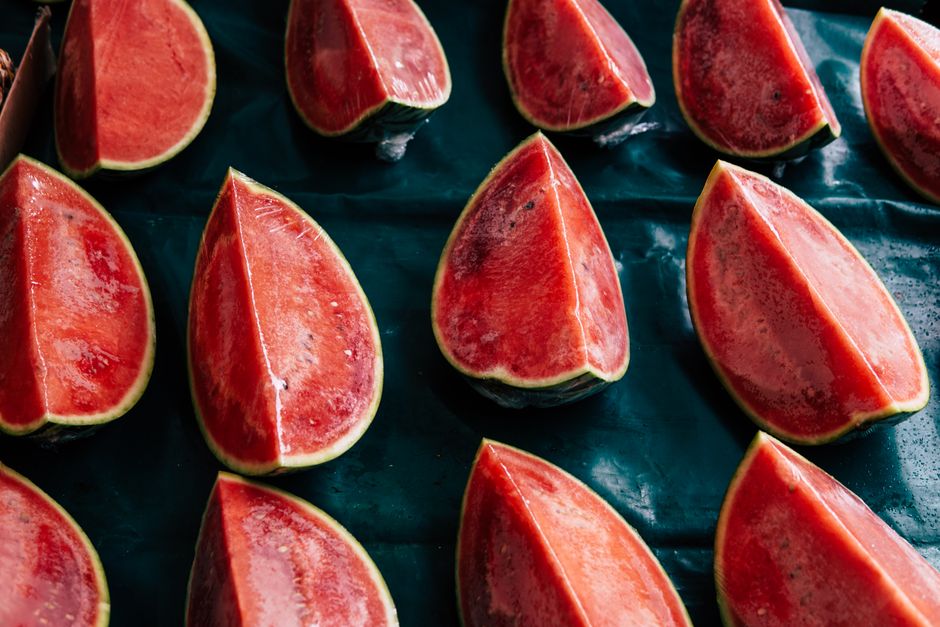
You’ve probably heard watermelon is “mostly water” and assumed that makes it a free food. But at roughly 30 calories per cup, it’s not calorie-free — and it’s also not the sugar bomb some diet plans claim.
The right amount of watermelon for weight loss is about 1 to 2 cups of diced fruit per day, which adds roughly 45 to 60 calories and provides a solid dose of volume and hydration. That serving fits comfortably into most weight loss plans without crowding out other produce, and it satisfies a sweet craving with real food instead of processed snacks.
Most articles either tell you to eat unlimited watermelon or avoid it entirely because of sugar. Both extremes miss the point. The actual answer depends on your total calorie budget, your activity level, and whether watermelon is replacing something else in your diet.
This guide breaks down the serving size that works for weight loss, how watermelon fits into your daily calorie target, and the honest science on its sugar content. You’ll also get a practical calculator-based approach to portioning that works with your personal numbers.
Key Points at a Glance
| Point | What It Means | Why It Matters |
|---|---|---|
| Serving size | 1 to 2 cups of diced watermelon per day | Fits most calorie budgets while providing volume and hydration |
| Calorie content | Roughly 30 calories per cup | Low enough to include daily without derailing weight loss |
| Sugar profile | About 6 grams of natural sugar per cup | Natural fruit sugar is not the same as added sugar |
| Water content | Over 90% water by weight | Helps with fullness and hydration without extra calories |
| Portion strategy | Use a food scale or measuring cup once | Most people overestimate serving sizes by 2 to 3 times |
How Much Watermelon Should I Eat Without Breaking Your Calorie Budget?
Your personal calorie target determines the exact amount that works. A woman aiming for 1,400 calories per day can comfortably include 1 to 2 cups of watermelon while staying on track. Someone on a tighter plan of 1,200 calories — the clinical minimum that requires medical supervision — should stick closer to 1 cup.
The key is substitution, not addition. Watermelon works for weight loss when it replaces a higher-calorie dessert or snack. A cup of watermelon at 30 calories versus a granola bar at 150 calories saves you 120 calories while giving you more volume to chew through.
Practical tip: I always measure one cup of diced watermelon the first time I buy a melon. The visual memory of that portion size sticks with me for the rest of the season — it’s far smaller than most people assume.
What Does the Science Say About Watermelon and Weight Loss?
Research on watermelon specifically for weight loss is limited, but the evidence on high-water, high-fiber fruits is consistent. Studies have found that people who eat more fruits and vegetables tend to maintain lower body weights, partly because these foods displace more calorie-dense options.
Watermelon’s water content — over 90% by weight — means you get a large volume of food for very few calories. That’s a well-established principle in weight management: eating more food by volume while consuming fewer calories helps with satiety. Some research suggests this approach can reduce overall daily intake without conscious effort.
The sugar concern deserves honesty. Watermelon contains about 6 grams of natural sugar per cup, which is lower than many other fruits. The glycemic index of watermelon is high, but the glycemic load per serving is moderate because the sugar content per portion is modest. For most people without diabetes, this is not a meaningful issue at a 1 to 2 cup serving.
How Many Calories Are in a Serving of Watermelon?
A single cup of diced watermelon contains roughly 30 calories, about 7 grams of carbohydrates, and less than 1 gram of fiber. A full wedge of watermelon — about one-sixteenth of a whole melon — weighs in closer to 85 to 90 calories depending on size.
These numbers come from USDA standard reference data, and they hold fairly consistently across varieties. The main variable is portion size, not the fruit itself. People routinely underestimate how much they’re eating because watermelon is easy to eat quickly, especially cold from the fridge.
If you’re tracking calories, weigh your portion once. One hundred grams of watermelon is about 30 calories. That’s a simple benchmark that works whether you’re eating diced cubes or slices straight off the rind.
Practical Ways to Include Watermelon in a Weight Loss Diet
Use watermelon as a dessert replacement rather than an addition to meals. A bowl of chilled watermelon after dinner satisfies the sweet craving that often triggers late-night snacking. Pair it with a small handful of almonds or a few tablespoons of plain Greek yogurt to add protein and slow down sugar absorption.
Frozen watermelon cubes make a simple alternative to ice cream or popsicles. They take longer to eat, which naturally slows your pace and increases satisfaction. Salting watermelon lightly — a classic Southern approach — enhances sweetness and helps you feel more satisfied with a smaller portion.
The biggest practical mistake is eating watermelon alongside other foods without adjusting portions elsewhere. If you add 2 cups of watermelon to your day without removing anything, you’re adding 60 calories. That’s not a problem once, but daily it becomes a pound gained every two months.
Use a TDEE calculator to find your maintenance calories, then subtract 300 to 500 calories for weight loss. That gives you your target. Watermelon fits into that number just like any other food — it’s not magic, and it’s not forbidden.
Frequently Asked Questions
Related Articles
Can I eat watermelon every day while trying to lose weight?
Yes, 1 to 2 cups of watermelon daily fits into most weight loss plans without issue. The key is accounting for those 30 to 60 calories within your total daily target.
Is watermelon too high in sugar for weight loss?
Watermelon contains about 6 grams of natural sugar per cup, which is lower than many other fruits. Natural fruit sugar is not the same as added sugar, and this amount is not a concern for most people at a reasonable serving size.
Does watermelon help you feel full?
Watermelon is over 90% water, so it provides significant volume for very few calories. This high-volume, low-calorie profile can help with satiety, though it lacks the protein and fiber that provide longer-lasting fullness.
Should I eat watermelon before or after a workout?
Watermelon before a workout provides quick carbohydrates for energy without weighing you down. After a workout, it can help with hydration, but you’ll still need protein for muscle recovery.
Can eating too much watermelon stall weight loss?
Eating several cups of watermelon daily adds up to 100 to 200 extra calories, which can slow progress if you’re not accounting for it. Portion control matters just as much with fruit as with any other food.
Is watermelon better than other fruits for weight loss?
Watermelon is lower in calories per cup than most fruits, making it a solid choice for volume eating. Berries and apples offer more fiber per serving, so rotating fruits gives you better overall nutrition.
Use our TDEE Calculator to find your personal calorie target, then fit watermelon into that number. That’s the honest approach — no food is magical for weight loss, but most foods have a place when you know your numbers.

The TDEECAL Team writes about nutrition, metabolism, and fat loss the way we built our calculator, with real numbers and no hype. We dig into the research so you don’t have to guess.