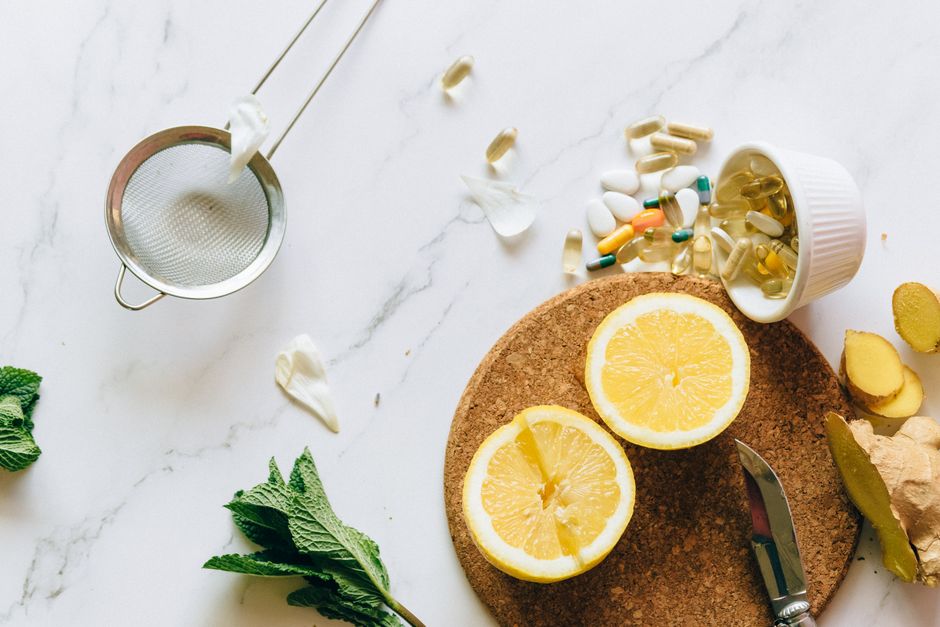
The supplement aisle is packed with promises, but most of them don’t survive contact with real evidence. When you strip away the marketing, only a handful of supplements have meaningful research behind them for weight loss.
For most women, the honest answer to what supplement is best for weight loss is not a single pill but a short list: protein powder, fiber supplements, and caffeine. These three have the strongest clinical support for helping with appetite control, fullness, and calorie burn. None of them work without a calorie deficit, and none of them are magic.
This article walks through what the evidence actually says about each one, what doses matter, and which popular supplements you can safely skip. You will also find the honest limits of supplements so you can spend your money where it counts.
Key Points at a Glance
| Point | What It Means | Why It Matters |
|---|---|---|
| Protein powder | Helps you feel full and preserves muscle while dieting | Easier to stick to a calorie deficit without constant hunger |
| Fiber supplements | Add bulk to meals and slow digestion | Reduces appetite between meals with minimal calories |
| Caffeine | Modestly increases energy expenditure | Small but real boost to daily calorie burn |
| No miracle pills | No supplement replaces diet changes | Saves you money and protects you from false promises |
| Safety first | Some supplements carry real risks | Protects your health while you pursue weight loss |
What the Evidence Says About Protein Powder
Research consistently shows that higher protein intake supports weight loss by increasing fullness and preserving lean muscle mass. When you lose weight, about a quarter of what you lose is muscle unless you eat enough protein. Losing muscle slows your metabolism, which makes maintenance harder later.
Protein powder is the most convenient way to hit a higher protein target, especially at breakfast. Many women find it difficult to get 30 grams of protein from whole food alone in the morning. A scoop of whey or plant-based protein mixed into a smoothie or oatmeal solves that problem.
I always add a scoop of unflavored protein powder to my morning oats. It thickens them nicely and adds about 20 grams of protein without changing the taste.
Some studies suggest that protein also increases the thermic effect of food, meaning your body burns more calories digesting it. The effect is modest, roughly 80 to 100 extra calories per day on a high-protein diet, but it adds up over months.
How Much Protein Do You Actually Need?
Most women aiming for weight loss do well with 1.6 to 2.2 grams of protein per kilogram of body weight daily. For a 160-pound woman, that is roughly 115 to 160 grams per day. That is a significant increase from the standard recommendation of 46 grams for adult women.
If you are not currently tracking protein, start by adding one protein shake per day. That single change often moves most women from insufficient to adequate protein intake. From there, you can adjust based on hunger levels and progress.
No established clinical guideline exists for protein powder specifically, but the general protein targets above come from sports nutrition research and are widely accepted. Spread your protein across three to four meals for the best appetite control.
What Supplement is Best for Appetite Control?
If appetite control is your main struggle, fiber supplements deserve a closer look. Psyllium husk, the same fiber in Metamucil, has the strongest evidence for reducing hunger and supporting weight loss. A 2023 review in the journal Nutrients found that fiber supplements helped with weight loss even without other diet changes.
Fiber works by absorbing water and expanding in your stomach, which triggers fullness signals to your brain. It also slows digestion, keeping blood sugar steadier after meals. That steadiness translates to fewer cravings between meals.
For best results, start with 5 grams of psyllium before your two largest meals. Do not start with a full dose at once, as gas and bloating are common. Work up gradually over one to two weeks, and drink plenty of water throughout the day.
I mix my psyllium into a small glass of water and drink it fifteen minutes before dinner. The texture takes getting used to, but the fullness effect is real.
What About Caffeine and Green Tea?
Caffeine is the most researched supplement for boosting metabolism, and the effect is real but small. Studies show that 200 to 400 mg of caffeine, roughly two to four cups of coffee, increases energy expenditure by about 50 to 100 calories per day. That is enough to matter over a year but not enough to overcome a poor diet.
Green tea extract gets extra attention because it contains both caffeine and catechins. Some studies suggest this combination may slightly enhance fat burning, but the effect is modest and results are mixed. Green tea is a reasonable choice if you enjoy it, but it is not a necessary addition.
Be honest with yourself about caffeine tolerance. If you drink coffee daily, you have likely built up a tolerance and the metabolic boost diminishes. Taking caffeine late in the day can also disrupt sleep, which makes weight loss harder through increased hunger hormones.
Which Popular Supplements Should You Skip?
Garcinia cambogia, raspberry ketones, and conjugated linoleic acid are among the most heavily marketed weight loss supplements. The evidence for all three is weak, and some studies show no meaningful effect beyond placebo. The Federal Trade Commission has even taken action against companies making false claims for these products.
Fat burners that combine many ingredients are especially problematic. They often contain stimulants that can raise heart rate and blood pressure, and the long-term safety data is absent. No study has confirmed that these multi-ingredient formulas produce sustainable weight loss.
Weight loss supplements are not regulated by the FDA before they hit the market. That means the manufacturer is responsible for safety, and contamination with undeclared ingredients has been documented in testing. When in doubt, skip the supplement and put that money toward whole foods.
Related Articles
Frequently Asked Questions
What supplement is best for weight loss overall?
Protein powder is the best overall choice because it controls appetite and preserves muscle. Fiber supplements are a close second if appetite is your main issue.
Can supplements work without changing my diet?
No supplement produces meaningful weight loss without a calorie deficit. Supplements only support the changes you make to food and activity.
How long until I see results from supplements?
Most people notice appetite changes within one to two weeks of consistent use. Weight changes take four to eight weeks to become visible on the scale.
Are prescription weight loss medications better than supplements?
Prescription medications like semaglutide have far stronger evidence than any supplement. They require a doctor’s prescription and are meant for people with obesity or weight-related conditions.
What about apple cider vinegar pills?
Some studies suggest a small effect on appetite and blood sugar, but the evidence is limited. If you try them, dilute the vinegar and start with a low dose.
Should I take supplements before or after meals?
Fiber works best 15 to 30 minutes before meals for appetite control. Protein powder works anytime, but breakfast is the most common gap in women’s protein intake.
Before you buy anything, calculate your daily calorie needs at TDEE Calculator. Supplements support a calorie deficit, but they never replace one. Knowing your numbers gives you a target to aim for and helps you judge whether any supplement is actually helping.

The TDEECAL Team writes about nutrition, metabolism, and fat loss the way we built our calculator, with real numbers and no hype. We dig into the research so you don’t have to guess.