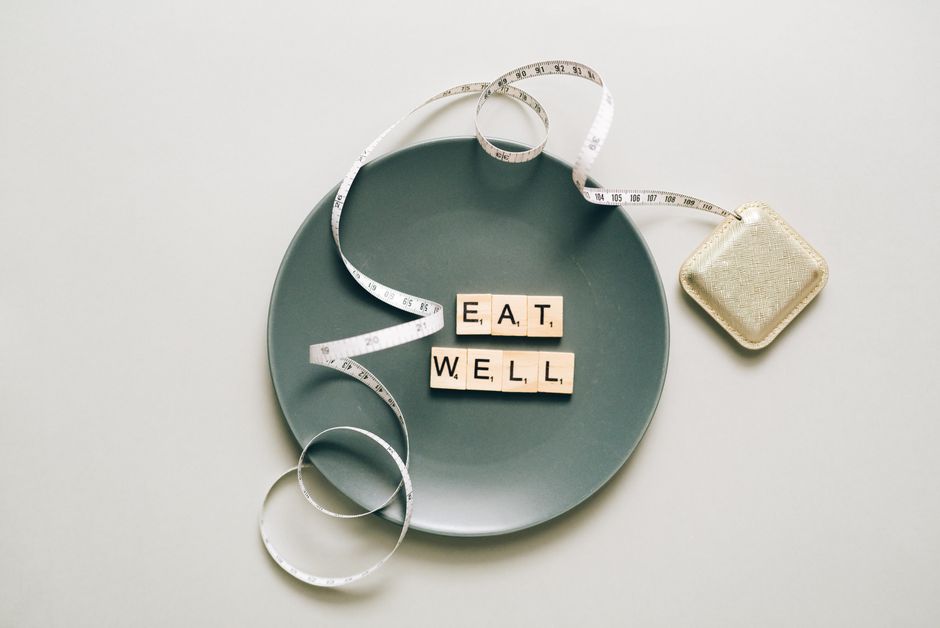
Most diet advice fails because it asks you to overhaul your entire life on a Monday morning. That approach rarely survives the week.
To control your diet for weight loss, focus on three evidence-backed pillars: managing your daily calorie intake, prioritizing protein and fiber at each meal, and building habits you can actually sustain. This isn’t about perfection — it’s about consistency. The most effective plan is the one you can still follow six months from now.
You’ve probably tried cutting out entire food groups or following a strict meal plan that left you hungry and frustrated. This article takes a different path. We’ll break down the specific, science-backed strategies that make dietary control realistic, plus the common mistakes that quietly undo progress.
Key Points at a Glance
| Point | What It Means | Why It Matters |
|---|---|---|
| Calorie awareness | Weight loss requires eating fewer calories than you burn | No food is off-limits; portions drive results |
| Protein priority | Aim for protein at every meal | Preserves muscle and increases fullness |
| Fiber focus | Choose vegetables, fruits, and whole grains | Adds bulk and slows digestion |
| Sustainable habits | Small changes you repeat daily | Consistency beats intensity for long-term success |
What Does Controlling Your Diet Actually Mean?
Controlling your diet doesn’t mean following a rigid set of rules or eliminating your favorite foods. It means making deliberate choices about what, when, and how much you eat — most of the time. Research consistently shows that a flexible approach to eating leads to better long-term adherence than strict restriction.
The foundation is energy balance. To lose weight, you need a moderate calorie deficit. A common starting point is reducing your intake by 300 to 500 calories per day, which typically leads to a loss of about one pound per week. This is a general estimate; your specific needs depend on your age, height, weight, and activity level. You can calculate your personal maintenance calories using a TDEE calculator to get a more accurate target.
Practical tip: Start by tracking your food for just three days without changing anything. You’ll see exactly where your calories are coming from — and where a small cut will make the biggest difference.
What Should You Eat to Feel Full While Losing Weight?
The quality of your calories matters as much as the quantity. Protein is the most filling macronutrient, and studies have found it helps reduce hunger and preserve lean muscle mass during weight loss. Aim to include a source of protein — eggs, Greek yogurt, chicken, fish, beans, or tofu — at every meal.
Fiber is the other key player. Foods high in fiber, like vegetables, fruits, and whole grains, add volume to your meals without adding many calories. They also slow digestion, which keeps you satisfied longer. Some research suggests that a high-fiber diet is strongly linked to lower body weight over time.
A simple plate method can help: fill half your plate with non-starchy vegetables, a quarter with lean protein, and a quarter with whole grains or starchy vegetables. I find this approach easier to follow than weighing every portion — it gives you structure without the math.
How to Control Your Diet Without Feeling Deprived
Deprivation is the enemy of consistency. When you tell yourself a food is completely forbidden, you’re more likely to crave it and eventually overeat it. A more sustainable approach is the 80/20 principle: aim to make nutritious choices about 80 percent of the time, and allow room for flexibility the rest of the time.
This doesn’t mean every meal needs to be perfect. It means planning ahead so that when you do eat something indulgent, it’s a choice — not an accident. Try keeping a food diary or using a tracking app to stay honest with yourself. People who track their food, even loosely, tend to be more successful at losing weight than those who don’t.
One thing that helped me: I stopped eating snacks straight from the bag. I always put a serving on a plate or in a bowl first. That tiny pause makes a noticeable difference in portion control.
What Are the Biggest Mistakes People Make When Dieting?
One common mistake is cutting calories too aggressively. Dipping below 1,200 calories per day for women is considered a clinical minimum that requires medical supervision. Very low-calorie diets often lead to muscle loss, fatigue, and intense cravings — which usually ends in a binge.
Another mistake is relying on willpower instead of environment. If you keep chips on the counter, you’ll eat them. If you keep cut-up vegetables at eye level in the fridge, you’re more likely to reach for those. Your surroundings shape your choices more than your motivation does.
Finally, many people ignore their sleep. Poor sleep increases hunger hormones and cravings for high-calorie foods. Research indicates that insufficient sleep can undermine weight loss efforts. Prioritizing seven to nine hours of sleep is a legitimate part of dietary control.
Frequently Asked Questions
Related Articles
How fast can I expect to lose weight by controlling my diet?
A safe and sustainable rate is about one to two pounds per week. Faster loss often comes from water weight or muscle, not fat.
Do I need to cut out carbs to control my diet?
No, you don’t need to eliminate carbs. Focus on portion sizes and choosing whole grains over refined ones.
Can I still eat my favorite foods while dieting?
Yes, you can include them in moderation. Planning for occasional treats helps prevent feelings of deprivation.
Is meal prepping necessary for diet control?
It’s a helpful tool, not a requirement. Even simple planning, like knowing what’s for dinner, can reduce impulsive choices.
How do I know how many calories I need to eat?
Use a TDEE calculator to estimate your maintenance calories, then subtract 300 to 500 calories for weight loss. Adjust based on your results.

The TDEECAL Team writes about nutrition, metabolism, and fat loss the way we built our calculator, with real numbers and no hype. We dig into the research so you don’t have to guess.