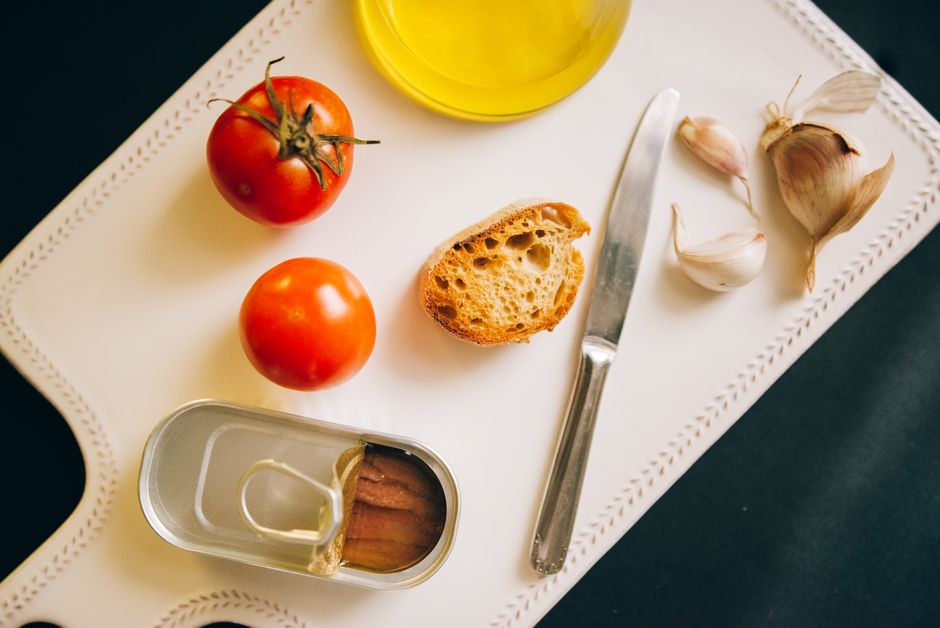
How to Eat a Mediterranean Diet for Weight Loss
Most people think the Mediterranean diet is about olive oil and red wine. The real secret is how the meals are structured, and that structure naturally controls calories without counting every bite.
To know how to eat a Mediterranean diet for weight loss, you focus on vegetables, legumes, and whole grains as the base of every meal, with fish and poultry in moderate portions. The diet emphasizes plant-based fats like olive oil and nuts, while limiting red meat and processed foods. Weight loss happens because this pattern keeps you full on fewer calories, not because it is a strict low-calorie plan. You eat satisfying portions of high-fiber foods that naturally replace higher-calorie options.
Most generic advice stops at “eat more vegetables.” This guide goes deeper into the actual plate proportions, meal timing, and practical swaps that make the diet work for real life. I have spent years reading nutrition research and testing these meals myself.
Key Points at a Glance
| Point | What It Means | Why It Matters |
|---|---|---|
| Vegetable base | Half your plate is vegetables at lunch and dinner | High fiber and water content fill you up with few calories |
| Healthy fats | Olive oil, nuts, and seeds replace butter and processed oils | These fats improve satiety and reduce cravings between meals |
| Protein sources | Fish, poultry, beans, and eggs appear daily; red meat weekly | Lean proteins preserve muscle while you lose fat |
| Whole grains | Bread, pasta, and rice are swapped for whole grain versions | More fiber means slower digestion and steadier blood sugar |
| No calorie counting | Portions are guided by hunger and plate proportions | This approach is easier to maintain long-term than counting |
What Does a Mediterranean Plate Actually Look Like?
The Mediterranean diet does not require weighing food or tracking macros. It uses a simple visual guide that controls portions automatically. Fill half your plate with non-starchy vegetables like greens, tomatoes, peppers, and zucchini. Use one quarter for a palm-sized portion of protein, and the last quarter for whole grains or starchy vegetables like potatoes or beans.
I always keep a bag of frozen artichoke hearts and a jar of roasted red peppers in my pantry. They turn a plain chicken breast into a real Mediterranean meal in under ten minutes.
Breakfast follows the same logic. Greek yogurt with berries and a sprinkle of walnuts beats cereal and milk for staying power. Lunch is a large salad with chickpeas, tuna, and olive oil dressing. Dinner is fish or chicken with roasted vegetables and a small portion of whole grains.
How to Eat a Mediterranean Diet for Weight Loss Without Counting Calories
The Mediterranean diet works for weight loss because it changes what you crave, not just what you eat. Research consistently shows that high-fiber plant foods slow digestion and keep blood sugar steady, which reduces hunger between meals. When you eat this way, you naturally consume fewer calories without feeling deprived.
The order of your meal matters more than most people realize. Start with vegetables and protein, then eat your grains last. This sequence blunts the blood sugar spike from carbohydrates and keeps you satisfied longer.
Some studies suggest that the Mediterranean diet produces similar weight loss to standard low-fat diets over a year. The difference is adherence. People stay on this eating pattern longer because it does not feel like a restrictive diet, and that consistency is what drives results.
Which Foods Should You Buy Every Week?
A Mediterranean grocery list is simple and affordable. Canned beans, lentils, and chickpeas are the cheapest protein sources and the backbone of the diet. Frozen vegetables are as nutritious as fresh and prevent food waste. Canned fish like sardines and tuna provide omega-3 fats without the cost of fresh seafood.
The foods to limit are the ones most Americans eat daily: refined bread, sugary drinks, processed snacks, and red meat. You do not need to eliminate them completely. The goal is to make them occasional foods instead of daily habits.
Nuts and seeds belong on the shopping list too, but portion control matters. A small handful is about 160 calories, so measure them at first until you learn what a serving looks like.
How Many Calories Should You Eat on This Diet?
There is no single calorie target for the Mediterranean diet because needs vary by age, weight, and activity level. A woman in her forties who wants to lose weight typically needs between 1,400 and 1,800 calories per day, but this is an estimate, not a prescription. Use a TDEE calculator to find your maintenance number, then subtract 300 to 500 calories for weight loss.
The TDEE Calculator on this site gives you a personalized number based on your height, weight, age, and activity level. That number tells you what to aim for, and the Mediterranean plate method helps you stay near it without counting.
Never drop below 1,200 calories per day without medical supervision. That is the clinical minimum for women, and eating less than that risks nutrient deficiencies and muscle loss.
What About Portion Sizes for Weight Loss?
Portion control is where most people struggle, even on a healthy diet. The Mediterranean approach handles this with simple visual cues. Protein portions are the size of your palm. Fats are the size of your thumb. Grains are the size of your fist. Vegetables have no limit.
Restaurant meals are the biggest challenge. Ask for dressing on the side, order vegetables instead of fries, and eat half the portion. Mediterranean restaurants are easier because their menus lean toward grilled fish, salads, and olive oil instead of cream sauces.
Frequently Asked Questions
Related Articles
Can you lose weight on a Mediterranean diet without exercise?
Yes, weight loss is possible through diet changes alone. Exercise improves results and overall health, but the calorie reduction from the Mediterranean pattern drives the initial weight loss.
How fast will you lose weight on this diet?
Most people lose 1 to 2 pounds per week, which is the safe and sustainable rate. Faster loss usually means muscle loss or water weight that returns quickly.
Is bread allowed on the Mediterranean diet?
Yes, but choose whole grain or sourdough bread and keep it to one slice per meal. The traditional Mediterranean diet includes bread daily, but portion size matters for weight loss.
Do you have to eat fish every day?
No, the traditional pattern includes fish two to three times per week. On other days, beans, lentils, eggs, and poultry provide your protein.
Is olive oil really that important?
Yes, olive oil is the primary fat source and provides monounsaturated fats linked to heart health. Use it for cooking and dressings, but measure it because it is calorie-dense.
What is the biggest mistake people make on this diet?
Adding Mediterranean foods on top of their regular diet instead of replacing unhealthy foods. The diet works when vegetables and legumes replace processed foods, not when they are added to them.

The TDEECAL Team writes about nutrition, metabolism, and fat loss the way we built our calculator, with real numbers and no hype. We dig into the research so you don’t have to guess.