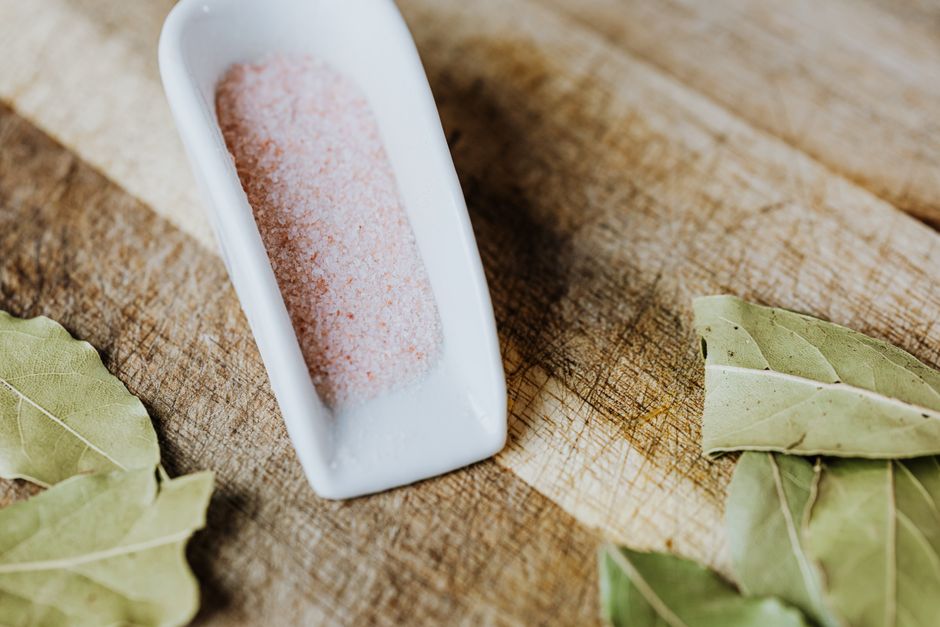
How to Make Himalayan Salt Water for Weight Loss
Most people drink salt water every day without realizing it could be doing more harm than good. The truth about Himalayan salt water for weight loss is more complicated than social media suggests, and getting the details right matters for your health.
To make Himalayan salt water for weight loss, dissolve roughly one-quarter teaspoon of pink Himalayan salt in eight ounces of warm water and drink it in the morning. The key is using a precise amount, because too much salt can cause dangerous spikes in blood pressure. This simple drink is not a fat burner, but it may support hydration and digestion when used correctly.
Weight loss forums and wellness influencers have turned this simple drink into a trend. But many of them skip the safety details, and those details are exactly what this article covers. You will learn the actual evidence behind the practice, how to prepare the drink safely, and when you should avoid it altogether.
Key Points at a Glance
| Point | What It Means | Why It Matters |
|---|---|---|
| Standard ratio | ¼ teaspoon salt per 8 ounces of water | Too much salt raises blood pressure dangerously |
| Timing | Morning on an empty stomach | May improve hydration and morning digestion |
| Evidence | No direct weight loss studies exist | Any weight loss is indirect, not fat burning |
| Safety limit | Skip if you have high blood pressure | Salt sensitivity can cause serious complications |
What Does the Science Actually Say About Salt Water and Weight Loss?
Research consistently shows that proper hydration supports metabolism, but no study has confirmed that Himalayan salt water directly causes fat loss. The weight some people see drop on the scale within days is usually water weight, not fat. When you increase salt intake, your body initially retains more fluid, which is the opposite of what most people expect.
Some research suggests that adequate sodium supports proper digestion by helping your stomach produce hydrochloric acid. Poor stomach acid levels can lead to bloating and poor nutrient absorption, which may indirectly affect weight management. But the evidence here is limited, and improving digestion does not equal burning fat.
I have seen clients step on the scale after a week of salt water and celebrate a five-pound drop. That drop is almost always water and waste, and it comes back quickly. Set your expectations around hydration and digestion, not fat loss.
How to Make Himalayan Salt Water Safely
Start with warm water, not hot. Warm water dissolves the salt more completely, and it is gentler on an empty stomach. Use a glass or ceramic cup rather than plastic, because some plastics can leach compounds into hot liquids.
Stir until every grain of salt dissolves completely. Undissolved salt can hit your stomach in one concentrated dose, which may cause nausea or a sudden spike in blood pressure. Drink it slowly over five minutes rather than gulping it down.
Do not add lemon, honey, or other flavorings if you are testing this for digestive benefits. The plain version is what the research on salt and stomach acid is based on. If you want flavor, add a squeeze of lemon after you have been drinking the plain version for a week.
How Much Himalayan Salt Water Should You Drink?
Start with one glass per day, no more. The American Heart Association recommends limiting sodium to about 2,300 milligrams per day, and one quarter teaspoon of salt contains roughly 575 milligrams. If you eat a typical American diet, you are already getting plenty of sodium from food.
Drinking more than one glass per day can push you over the recommended sodium limit quickly. This is especially dangerous for anyone over 50, because blood pressure sensitivity to salt increases with age. If you notice swelling in your fingers, ankles, or face, stop drinking it immediately.
No established clinical guideline exists for Himalayan salt water specifically. The quarter-teaspoon ratio is a reasonable starting point based on general sodium recommendations, but your individual needs depend on your health status and how much salt you eat in your regular diet.
Who Should Not Drink Himalayan Salt Water?
Anyone with high blood pressure, kidney disease, or heart failure should avoid this drink entirely. These conditions make it harder for your body to process excess sodium, and even small amounts can cause fluid buildup or dangerous blood pressure spikes. If you take blood pressure medication, adding extra salt can interfere with how well it works.
Pregnant women should also be cautious. Pregnancy changes how your body handles sodium, and excess salt can increase the risk of swelling and high blood pressure complications. If you are pregnant, talk to your doctor before trying this or any other dietary trend.
If you have diabetes, check with your healthcare provider first. Diabetes can affect kidney function, and kidneys are the organs that filter excess sodium from your body. The risk is not worth the unproven digestive benefits.
Frequently Asked Questions
Related Articles
Does Himalayan salt water actually help you lose weight?
No strong clinical evidence confirms that Himalayan salt water causes fat loss. Any initial weight change is typically water weight and returns quickly.
Can I drink Himalayan salt water every day?
Most healthy adults can drink one glass daily without problems, but you should stop if you notice swelling or blood pressure changes. If you have high blood pressure or kidney disease, do not drink it at all.
Is Himalayan salt better than regular salt for weight loss?
Himalayan salt and regular table salt have nearly identical sodium content per gram. The trace minerals in Himalayan salt are present in amounts too small to have any meaningful effect on weight.
When is the best time to drink Himalayan salt water?
Morning on an empty stomach is the most common recommendation because it may help with hydration and digestion. Drinking it later in the day can interfere with sleep if you are sensitive to sodium.
What happens if I use too much Himalayan salt?
Too much salt can cause nausea, headache, dizziness, and a dangerous rise in blood pressure. If you experience any of these symptoms, drink plain water and seek medical attention if they persist.
If you are tracking your daily calorie intake while trying to lose weight, use the TDEE Calculator to find your maintenance calories and create a safe deficit. Salt water is not a substitute for a calorie deficit, but it can be part of a healthy morning routine.

The TDEECAL Team writes about nutrition, metabolism, and fat loss the way we built our calculator, with real numbers and no hype. We dig into the research so you don’t have to guess.