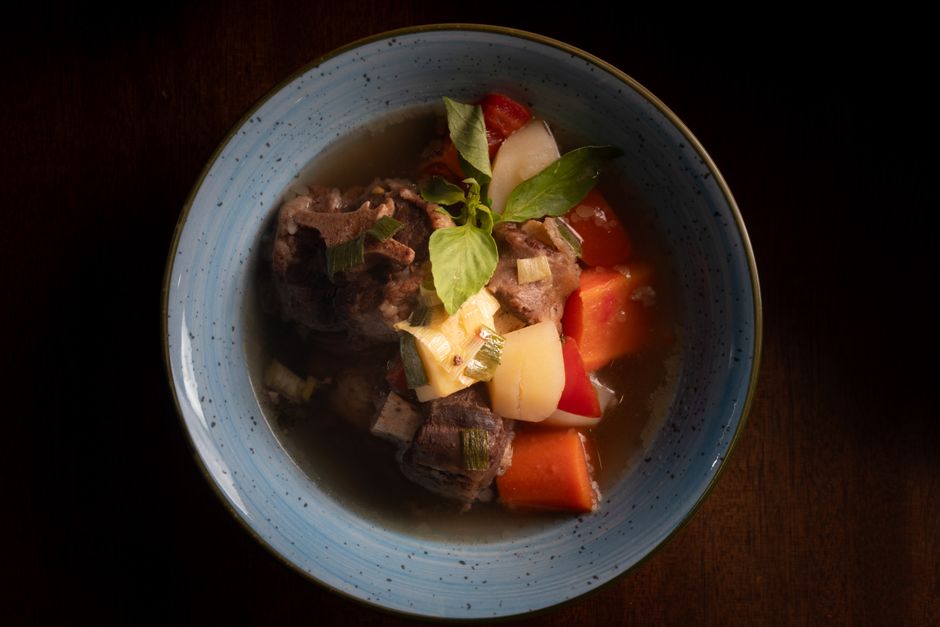
You might think a warm bowl of beef soup is just comfort food, not a weight loss tool. But the answer depends entirely on how it’s made and what’s in it.
Is beef soup good for weight loss? Yes, beef soup can be good for weight loss when it is broth-based, packed with vegetables, and made with lean cuts of beef. A well-built beef soup is high in protein and water, which helps you feel full on fewer calories. The key is avoiding creamy bases and heavy amounts of added fat.
Most generic advice tells you to eat salad or chicken breast, but that gets boring fast. Soup is different. It allows you to eat a large volume of food for relatively few calories, which is a proven strategy for managing hunger. This article breaks down exactly what makes beef soup work for weight loss, what to avoid, and how to build a bowl that fits your calorie goals.
Key Points at a Glance
| Point | What It Means | Why It Matters |
|---|---|---|
| Broth-based is best | Clear broths are much lower in calories than creamy or cheesy soups. | You can eat a bigger portion for fewer calories, which keeps you satisfied. |
| Protein keeps you full | Beef provides high-quality protein that reduces hunger hormones. | Feeling full longer helps you avoid snacking later in the day. |
| Vegetables add volume | Adding fiber-rich veggies increases the soup’s bulk without many calories. | More volume in your stomach signals fullness without breaking your calorie budget. |
| Watch the sodium | Canned or restaurant soups often contain very high sodium levels. | High sodium can cause water retention and bloating, which masks real progress. |
| Portion control still counts | Even healthy soup has calories, especially if it contains noodles or potatoes. | Measuring your serving prevents accidentally eating a 600-calorie bowl. |
What Makes Beef Soup Good for Weight Loss?
Research consistently shows that eating foods with high water content helps reduce total calorie intake. Soup is one of the most effective ways to do this because it combines water with solid food, which keeps you fuller than drinking water alongside a meal. Studies have found that people who start a meal with soup tend to eat fewer total calories during that meal.
Beef specifically adds a strong protein punch. Protein is the most satiating macronutrient, meaning it suppresses hunger more effectively than carbohydrates or fat. A single serving of lean beef in your soup can deliver 20 to 25 grams of protein, which is a significant portion of your daily needs.
I always use chuck roast or sirloin in my soups because they hold up well to simmering. A tip from my kitchen: trim visible fat before browning the meat. It saves you about 50 calories per serving without changing the flavor.
How Many Calories Are in a Bowl of Beef Soup?
The calorie range is wide because recipes vary so much. A basic broth-based beef and vegetable soup typically contains 150 to 250 calories per two-cup serving. That’s a generous bowl that leaves most people comfortably full.
But the number climbs fast if you add certain ingredients. Cream-based beef soups can reach 400 to 500 calories per serving. Noodles add roughly 100 to 150 calories per cup. Even potatoes, while nutritious, add about 115 calories per medium potato. The choice of beef cut matters too—a fatty ribeye adds significantly more calories than a lean round steak.
To keep your soup in the weight-loss zone, stick to lean beef, load up on non-starchy vegetables like carrots, celery, and green beans, and skip the noodles or use a small amount of barley instead. This approach keeps the calorie count low while maximizing the volume of food on your spoon.
Is Beef Soup Good for Weight Loss Compared to Other Soups?
Compared to chicken or vegetable soups, beef soup holds its own and often wins on protein content. A beef-based broth typically has more protein per cup than a chicken broth, which makes it more satisfying. Vegetable-only soups are lower in calories but often leave you hungry an hour later because they lack sufficient protein.
There is one catch. Beef fat is higher in saturated fat than chicken fat. If you use a fatty cut and don’t skim the broth, you can easily add 100 or more calories per bowl. The solution is simple: chill the soup after cooking and lift off the solidified fat layer. This removes a significant amount of calories without sacrificing taste.
Evidence indicates that the thermic effect of protein—the calories burned digesting it—is higher than for carbs or fat. That means your body works harder to process the beef, which slightly boosts your metabolism. It’s not a massive effect, but every little bit helps when you’re trying to lose weight.
How to Build a Weight-Loss Beef Soup
Start with a good broth. Use low-sodium beef broth as your base, which keeps salt levels in check. Brown your lean beef first for flavor, then add aromatics like onion and garlic. Throw in a variety of colorful vegetables—the more colors, the more nutrients and fiber you get.
Season with herbs and spices instead of salt. Things like thyme, rosemary, and black pepper add deep flavor without adding sodium. A splash of vinegar or a squeeze of lemon at the end brightens the whole pot and reduces the need for extra salt.
Practical tip: Make a big batch on Sunday and portion it into single-serving containers. Having ready-to-eat soup in the fridge makes it far easier to choose the healthy option when you’re tired and hungry. I find that a two-cup ladle is the perfect portion for a satisfying meal.
If you want to add a carbohydrate source, keep it modest. A half-cup of cooked barley or quinoa adds fiber and texture without turning your soup into a calorie bomb. Skip the bread on the side—that’s where hidden calories sneak in.
What to Avoid in Beef Soup for Weight Loss
The biggest mistake people make is assuming all beef soup is healthy. Canned beef soups are often loaded with sodium and can contain 800 to 1,000 milligrams per serving, which is nearly half your daily recommended limit. High sodium causes water retention, which shows up as false weight gain on the scale.
Restaurant beef soups are another trap. Many are thickened with flour or cream, and the beef is often browned in butter. A bowl of restaurant beef stew can easily contain 500 to 700 calories. When eating out, ask for the broth-based option and request no bread on the side.
Also be careful with “healthy” packaged soups. Some brands market themselves as diet-friendly while still containing added sugar or corn syrup. Always read the nutrition label and check both calories and sodium per serving. I’ve seen “light” soups with more sugar than a cookie.
Related Articles
Frequently Asked Questions
Can I eat beef soup every day for weight loss?
Yes, you can eat beef soup daily as long as it fits your calorie budget and you vary the vegetables. Eating the same soup every day may lead to boredom, so rotate your vegetable mix to keep meals interesting.
Is canned beef soup good for weight loss?
Most canned beef soups are not ideal because they contain high sodium and often added sugar. Look for low-sodium versions with simple ingredients, or make your own batch for better control.
Does beef soup keep you full longer than other foods?
Soup generally keeps you full longer than solid food with the same calories because the water adds volume without calories. The protein in beef also slows digestion and reduces hunger hormones.
How much beef should I put in my weight-loss soup?
Aim for roughly 4 to 6 ounces of cooked lean beef per serving. This provides about 25 to 35 grams of protein, which is enough to keep you satisfied without going overboard on calories.
Is beef soup good for weight loss if I have high cholesterol?
Beef soup can still work if you choose lean cuts like sirloin and trim all visible fat. Skimming the solidified fat from the broth also reduces saturated fat significantly.
Should I count the calories in beef soup?
Yes, you should count the calories if you are tracking your intake. Even healthy soup has calories, and the total depends heavily on your specific ingredients and portion size.
Beef soup is a practical, filling addition to a weight loss plan when you control the ingredients. Use our TDEE Calculator to find your daily calorie target, then build a soup that fits comfortably within it. A warm bowl of well-made beef soup can be the difference between sticking to your plan and reaching for takeout.

The TDEECAL Team writes about nutrition, metabolism, and fat loss the way we built our calculator, with real numbers and no hype. We dig into the research so you don’t have to guess.