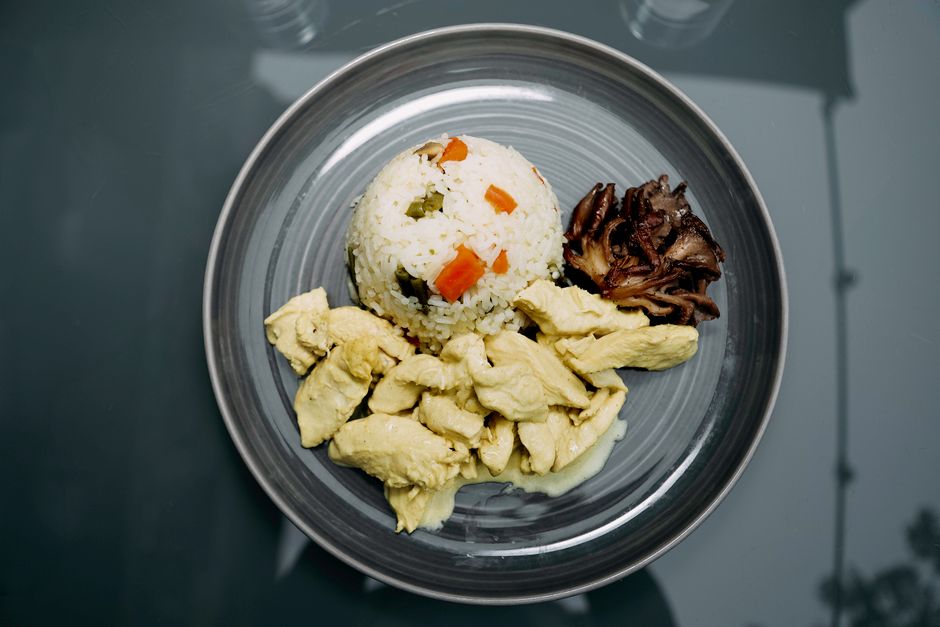
Is Chicken Rice Good for Weight Loss? The Real Answer
If you have ever wondered whether your favorite comfort bowl is helping or hurting your progress, you are not alone. Chicken and rice is one of the most common meals across American kitchens, yet opinions about it vary wildly.
The direct answer is yes, chicken rice is good for weight loss when prepared with lean chicken, controlled portions of rice, and minimal added fats. This combination provides protein for fullness and carbohydrates for energy, which makes it a balanced meal that supports a calorie deficit. The key is how you cook it and how much you serve.
Most generic advice tells you to avoid white rice entirely or to eat only chicken breast with no seasoning. That approach is overly strict and often backfires. This article covers what the evidence actually says about chicken and rice for weight loss, how to build a portion that works, and the common mistakes that turn a good meal into a calorie trap.
Key Points at a Glance
| Point | What It Means | Why It Matters |
|---|---|---|
| Protein content | Chicken provides 25-30 grams of protein per 3.5 ounce serving | Protein preserves muscle and keeps you full between meals |
| Rice portion size | One cup of cooked rice has roughly 200 calories | Portion control determines whether this meal helps or hurts |
| Cooking method | Baking, grilling, or boiling beats frying | Added oils and breading can double the calorie count |
| Meal balance | Chicken and rice covers protein and carbs | Add vegetables to increase fiber and volume without many calories |
What Makes Chicken Rice Good for Weight Loss Specifically?
Chicken rice is good for weight loss because it hits two nutritional targets that matter most when you are trying to drop pounds. The chicken supplies high-quality protein, and the rice provides digestible carbohydrates that fuel your daily activity.
Research consistently shows that higher protein meals increase satiety more than meals dominated by fats or refined carbohydrates. A 3.5 ounce serving of cooked chicken breast contains about 165 calories and 31 grams of protein. That protein triggers hormones that signal fullness, which helps you eat less later in the day.
Rice plays a different role. It is a source of energy that your body uses efficiently, especially if you are active. White rice is lower in fiber than brown rice, but both can fit into a weight loss plan. The difference in calories between white and brown rice is small — roughly 20 to 30 calories per cooked cup.
What matters more than the rice color is the total amount on your plate. One cup of cooked rice is a reasonable starting portion for most women. Two cups or more can push the meal past 400 calories before you even add the chicken.
How Many Calories Are in Chicken Rice?
A typical homemade serving of chicken and rice lands between 350 and 500 calories depending on your ingredients and portions. This range assumes about 4 ounces of cooked chicken, one cup of cooked rice, and minimal added oil or sauce.
The numbers change quickly when preparation changes. Fried chicken with rice can reach 700 to 900 calories per plate. Creamy sauces, butter, or heavy seasoning blends add 100 to 300 calories without adding meaningful fullness.
Takeout versions are harder to estimate because portions vary widely by restaurant. Some Chinese takeout containers hold two to three cups of rice alone. That single container can add 400 to 600 calories just from the rice.
How to Build a Weight Loss Friendly Chicken Rice Bowl
Start with a protein portion the size of your palm. This is usually 4 to 5 ounces of cooked chicken, which delivers around 30 to 35 grams of protein. Choose breast meat for the lowest calorie option, though thighs work if you trim visible fat.
Keep your rice portion to one cup cooked. If you want a larger volume of food, swap half the rice for steamed vegetables like broccoli, bell peppers, or green beans. This keeps the meal satisfying while cutting roughly 100 calories from the total.
Season with herbs, spices, garlic, ginger, soy sauce, or vinegar instead of creamy sauces. A tablespoon of soy sauce adds about 10 calories. A quarter cup of cream-based sauce can add 150 calories or more.
One thing I always do at home is cook rice in low-sodium chicken broth instead of water. It adds flavor without adding calories, and it makes the meal taste like it came from a restaurant.
Does White Rice Hurt Weight Loss Progress?
White rice does not automatically hurt weight loss. The evidence does not support the idea that white rice alone causes weight gain when total calories are controlled. Some studies suggest that populations eating white rice regularly maintain healthy body weights when portions stay moderate.
Brown rice has more fiber and slightly more nutrients, which can help with fullness. But the difference is small enough that you should pick the rice you will actually enjoy. If brown rice makes you skip the meal entirely, white rice is the better choice.
The bigger issue is what happens around the rice. Large portions, fried versions, and sugary sauces turn a balanced meal into a high-calorie one. Rice is rarely the problem by itself.
Frequently Asked Questions
Related Articles
Can I eat chicken rice every day for weight loss?
Yes, you can eat chicken rice daily as long as your portions keep you in a calorie deficit. Variety matters for nutrients, so rotate your vegetables and seasonings to keep meals interesting.
Is chicken rice good for weight loss compared to other meals?
Chicken rice is better than many fast food options because it offers protein and controlled carbohydrates. It is not magic, but it is a solid foundation that most people can stick with.
Should I choose white rice or brown rice for weight loss?
Brown rice has slightly more fiber, but both work for weight loss when portions are controlled. Choose the one you enjoy more so you stay consistent with your meal plan.
How much chicken should I eat in one meal?
Four to five ounces of cooked chicken is a reasonable portion for most women. This provides roughly 30 to 35 grams of protein, which supports fullness and muscle maintenance.
Does chicken rice cause bloating?
Some people feel bloated after eating rice, especially large portions. Reducing the portion size and adding vegetables usually helps, and drinking water with your meal can also ease digestion.
Can I eat chicken rice at night and still lose weight?
Eating chicken rice at night does not prevent weight loss by itself. Total daily calories matter more than the time of day you eat them.
Use our TDEE Calculator to find your maintenance calories and build a deficit that works for your body.

The TDEECAL Team writes about nutrition, metabolism, and fat loss the way we built our calculator, with real numbers and no hype. We dig into the research so you don’t have to guess.