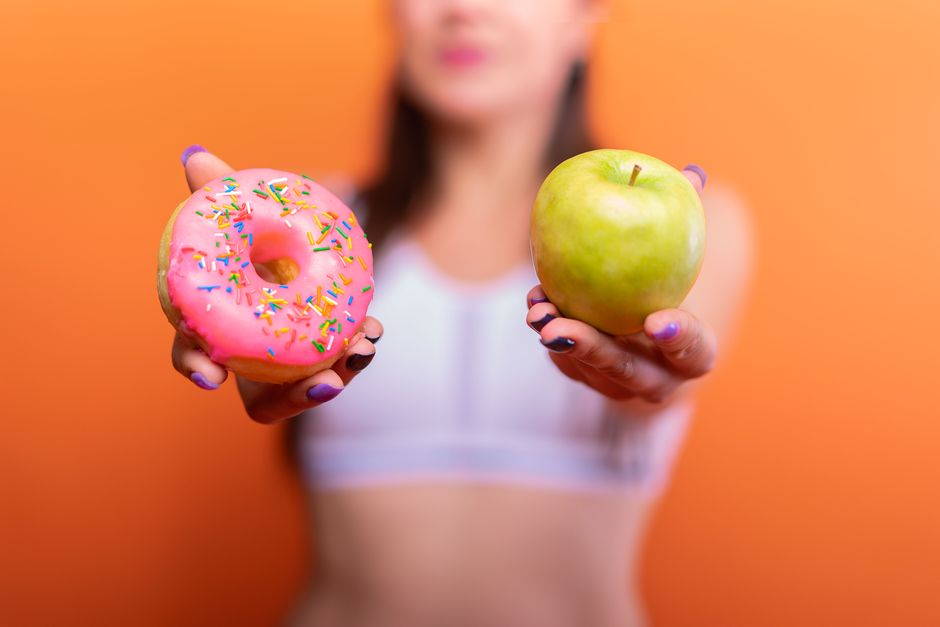
Is Diet Best for Weight Loss
Every January, millions of Americans search for the one change that will finally move the scale. The honest answer surprises most people: diet matters far more than exercise when you are trying to lose weight. The evidence is consistent across decades of research — what you eat drives weight loss, while exercise drives health.
Yes, is diet best for weight loss? The direct answer is yes — diet is the most effective tool for weight loss because it directly controls calorie intake. Exercise burns extra calories, but it cannot outpace a diet that regularly provides too many. Research consistently shows that weight loss is roughly 70 to 80 percent diet and 20 to 30 percent physical activity.
This article covers what the science actually says about diet versus exercise. You will learn which approach works best for your body and why most people struggle despite their best efforts. We will also separate the evidence from the marketing claims so you can make a plan you can actually stick with.
Key Points at a Glance
| Point | What It Means | Why It Matters |
|---|---|---|
| Diet controls calories | Food intake determines most weight loss | You cannot out-exercise a high-calorie diet |
| Exercise supports maintenance | Physical activity helps you keep weight off | Exercise prevents regain after dieting |
| Protein and fiber matter | These nutrients keep you full longer | They reduce hunger without counting every calorie |
| Sustainability beats perfection | The best diet is one you can maintain | Consistency drives long-term success |
Why Diet Outperforms Exercise for Weight Loss
The math is simple. A single fast-food meal can contain 1,000 to 1,500 calories, while an hour of brisk walking burns roughly 200 to 300 calories. You can erase an entire workout with one high-calorie snack. This is why diet is the primary driver of weight loss — it controls the input side of the equation.
Studies have found that people who rely on exercise alone for weight loss lose significantly less than those who change their diet. One reason is that exercise increases appetite in some people, which can lead to eating back the calories burned. Another factor is that people overestimate how many calories they burn during workouts.
I always tell friends to start with their plate before their gym bag. Fix your portions first, then add movement for energy and health — not as the main weight loss tool.
What Type of Diet Works Best for Weight Loss?
Research consistently shows that all diets work about equally well when they create a calorie deficit. Low-carb, low-fat, Mediterranean, and DASH patterns all produce similar weight loss at the six-month mark. The real difference appears in adherence — people lose more weight on the diet they can actually stick with.
Some research suggests that higher protein intake helps preserve muscle mass during weight loss. Protein also increases satiety, which means you feel fuller with fewer calories. Fiber from vegetables, fruits, and whole grains has the same effect, making it easier to maintain a calorie deficit without constant hunger.
How Many Calories Should You Eat to Lose Weight?
The average woman needs roughly 1,800 to 2,200 calories per day to maintain her weight. To lose about one pound per week, you need a deficit of approximately 500 calories per day. This means most women aiming for weight loss should target roughly 1,300 to 1,700 calories daily, depending on their size and activity level.
Calorie needs vary significantly by age, height, and muscle mass. A woman who is 5 feet 4 inches and sedentary needs fewer calories than one who is 5 feet 8 inches and active. Using a TDEE calculator can give you a personalized estimate based on your specific body and activity level.
Never drop below 1,200 calories per day without medical supervision. That is a clinical minimum for women, and going lower puts you at risk for nutrient deficiencies and muscle loss.
Is Diet Best for Weight Loss Over the Long Term?
Diet remains the most important factor for long-term weight loss, but exercise becomes more critical for maintenance. Research shows that people who maintain weight loss for over a year typically exercise regularly. The combination of a sustainable diet and consistent physical activity produces the best long-term results.
Weight regain is common, affecting roughly 80 percent of people who lose weight. The strongest predictor of maintaining loss is continued adherence to your eating pattern. This is why choosing a diet that fits your lifestyle matters more than choosing the “perfect” diet.
Some studies indicate that the quality of your diet matters beyond calories. Whole foods with minimal processing tend to be more satisfying and easier to eat in appropriate portions. Processed foods are designed to be hyper-palatable, which makes overeating more likely.
Frequently Asked Questions
Related Articles
How much exercise do I need if diet is the main factor?
At least 150 minutes of moderate activity per week supports health and weight maintenance. For weight loss, diet changes matter more than the exact amount of exercise.
Can I lose weight without changing my diet at all?
Only if you burn more calories through exercise than you eat, which is difficult for most people. The average person would need over an hour of vigorous exercise daily to lose one pound per week through exercise alone.
What is the single best diet for weight loss?
No single diet works for everyone, and research confirms that several approaches produce similar results. The best diet is the one you can follow consistently for months without feeling deprived.
How fast should I expect to lose weight?
A healthy rate is one to two pounds per week for most people. Faster loss often means losing muscle and water, which makes it harder to keep the weight off.
Do I need to count calories to lose weight?
No, but you need some method of portion control that creates a calorie deficit. Many people succeed with smaller portions, more protein and fiber, and fewer processed foods without formal counting.
Why did I stop losing weight even though I’m eating less?
Your body adapts to a lower calorie intake by reducing metabolism slightly. This is normal, and you may need to adjust your intake or add more physical activity to continue losing.
Check your personal calorie needs with our TDEE Calculator to get a starting point for your weight loss plan.

The TDEECAL Team writes about nutrition, metabolism, and fat loss the way we built our calculator, with real numbers and no hype. We dig into the research so you don’t have to guess.