Does Fiber Actually Help With Weight Loss?
Most people think cutting calories is the only way to lose weight. But fiber works differently — it changes how your body handles the food you eat.
The short answer to “is fiber good for weight” is yes, but not as a magic bullet. Fiber helps you feel full longer, slows down digestion, and feeds the good bacteria in your gut. Research consistently shows that people who eat more fiber tend to weigh less and find it easier to maintain weight loss.
The tricky part is that fiber isn’t one single thing. There are two types — soluble and insoluble — and they work differently in your body. Most people also don’t get nearly enough, which means the fiber they do eat isn’t doing them much good.
This article covers what the evidence actually says about fiber and weight loss, how much you need, and the easiest ways to add more without feeling bloated or uncomfortable.
Key Points at a Glance
| Point | What It Means | Why It Matters |
|---|---|---|
| Fiber increases fullness | Slows digestion and stretches the stomach | You naturally eat less without counting every bite |
| Fiber feeds gut bacteria | Good bacteria produce compounds that reduce appetite | This effect is strongest with vegetables and whole grains |
| Fiber lowers calorie absorption | Some calories pass through undigested | The effect is modest but consistent across studies |
| Most people eat too little | Average intake is about 15 grams per day | The recommended amount is 25–38 grams depending on age and sex |
| Fiber alone won’t cause weight loss | It works best with a calorie deficit | Fiber makes the deficit easier to maintain, not automatic |
How Does Fiber Help With Weight Loss?
Fiber helps with weight loss through three separate mechanisms. First, it physically fills your stomach and triggers stretch receptors that send “I’m full” signals to your brain. Second, it slows how quickly food leaves your stomach, keeping you satisfied for hours after a meal.
Third, fiber changes your gut bacteria. When fiber ferments in the colon, it produces short-chain fatty acids that reduce appetite signals. Some research suggests this is why high-fiber eaters naturally consume fewer calories without trying.
Here’s what I notice in my own kitchen: when I add a cup of cooked lentils to a salad, I’m not hungry for five hours. Without them, I’m raiding the pantry by three. That’s not willpower — that’s fiber doing its job.
How Much Fiber Do You Need for Weight Loss?
The general recommendation is 25 grams per day for adult women and 38 grams for men. For weight loss, some research suggests going higher — around 30–35 grams — may help more.
But here’s the honest part: jumping from 15 grams to 35 grams overnight is a recipe for bloating and gas. Your gut needs time to adjust. Increase your intake gradually over two to three weeks, and drink plenty of water as you do.
One thing to watch: fiber supplements like psyllium husk can help, but they don’t provide the same benefit as fiber from whole foods. Whole foods bring vitamins, minerals, and phytochemicals that work together. No supplement replicates that.
Which Foods Are Highest in Fiber?
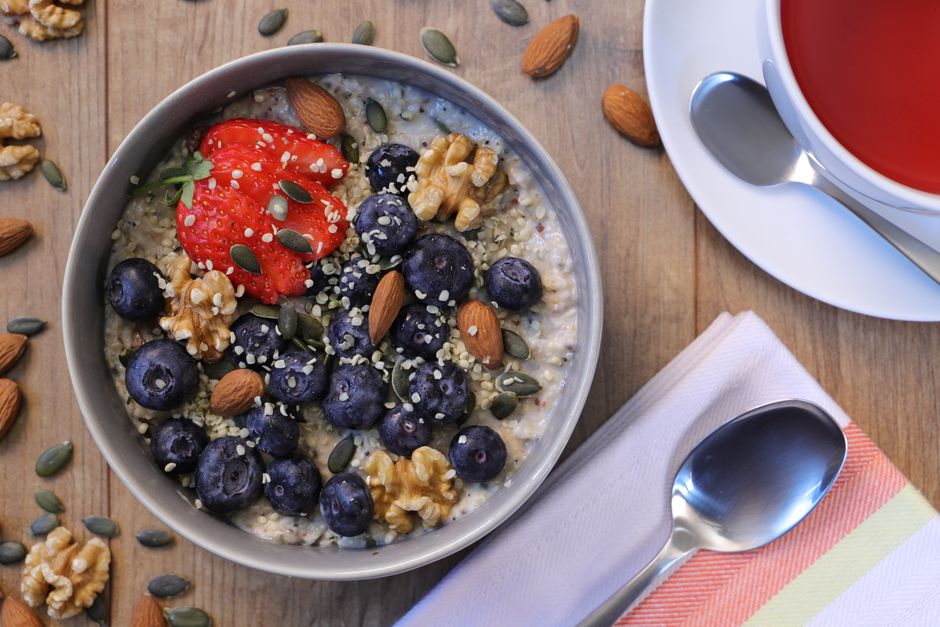
The best sources are beans, lentils, and chickpeas — about 8–15 grams per cup cooked. Berries, apples with skin, and pears are good fruit options at 4–8 grams per serving. Whole grains like oats, quinoa, and barley add another 3–5 grams.
Vegetables are decent but not the heavy hitters people think. A cup of broccoli has about 2 grams. You’d need to eat a lot of vegetables to hit your target, which is why beans and whole grains should be your foundation.
My rule of thumb: make at least half your plate vegetables, add one serving of beans or lentils daily, and choose whole grains over refined ones. That combination easily gets you to 25–30 grams without obsessing over every gram.
Is Fiber Good for Weight Loss When You’re Over 50?
Fiber becomes especially valuable after 50. Muscle mass declines, metabolism slows, and calorie needs drop. Fiber helps you feel full on fewer calories, which directly supports weight management during this phase of life.
There’s also a heart health connection. Soluble fiber from oats, barley, and psyllium has been shown to lower LDL cholesterol. Since heart disease risk rises after menopause, this matters for many women.
The catch is that older adults often struggle with constipation and digestive discomfort. Go slowly, increase water intake, and consider cooking vegetables thoroughly — this makes fiber easier to tolerate while keeping most of the benefit.
What About Fiber Supplements?
Fiber supplements can help if you’re genuinely struggling to get enough from food. Research on psyllium and glucomannan shows modest effects on fullness and weight loss. But the results are smaller than what whole-food fiber produces.
The evidence is clear that whole foods outperform supplements for weight loss. You get more fiber per serving, plus nutrients that supplements can’t provide. Supplements are a backup tool, not a replacement.
If you do use a supplement, start with half the recommended dose and build up. And remember: no supplement has been shown to cause weight loss on its own. It only works alongside a calorie deficit.
Related Articles
Frequently Asked Questions
Can fiber alone cause weight loss?
No, fiber alone won’t cause weight loss without a calorie deficit. It makes the deficit easier to maintain by reducing hunger and increasing fullness.
How long does it take for fiber to help with weight loss?
Most people notice reduced appetite within one to two weeks of increasing fiber intake. Weight changes typically show up over four to eight weeks.
What is the best fiber for weight loss?
Soluble fiber from oats, beans, and psyllium is most strongly linked to appetite control. The overall best approach is a mix of both soluble and insoluble fiber from whole foods.
Does fiber block calorie absorption?
Yes, but the effect is modest. Some research suggests fiber may reduce calorie absorption by about 4–5 percent, which adds up over time.
Can too much fiber cause weight gain?
Fiber itself doesn’t cause weight gain, but high-fiber foods can be calorie-dense. Nuts and avocados are high in fiber and calories, so portion control still matters.
Is it better to get fiber from food or supplements?
Food is better because it provides fiber plus vitamins, minerals, and other beneficial compounds. Supplements work in a pinch but shouldn’t be your primary source.

The TDEECAL Team writes about nutrition, metabolism, and fat loss the way we built our calculator, with real numbers and no hype. We dig into the research so you don’t have to guess.