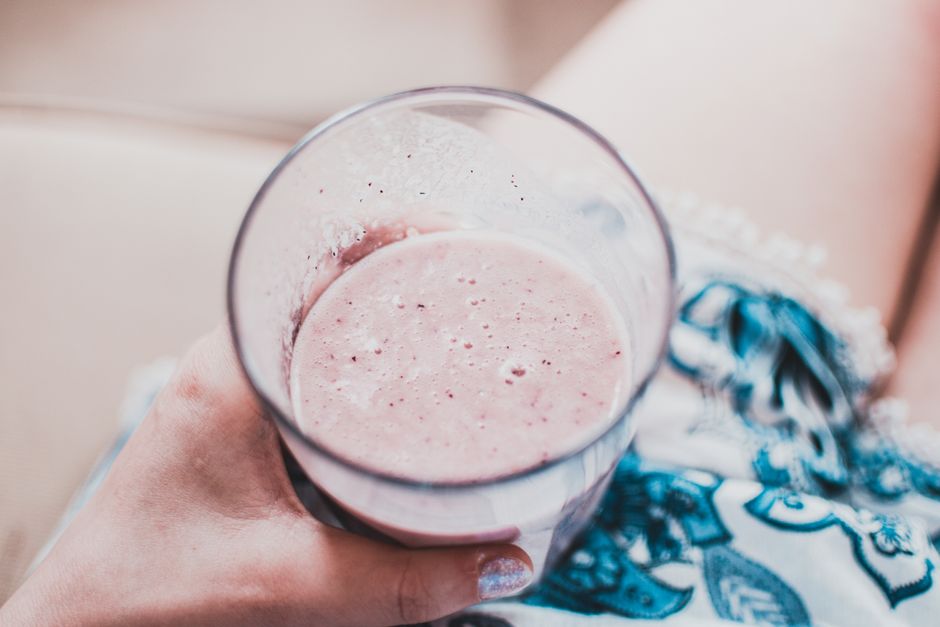
What Is the Best Liquid Collagen for Weight Loss?
The liquid collagen market is crowded, and most brands make the same promises. But the honest answer about what is the best liquid collagen for weight loss is that no liquid collagen product directly causes fat loss. The best choice is one that supports your overall protein intake and satiety without adding excess calories or sugar.
Collagen is a protein, and protein helps you feel full. However, collagen is not a complete protein. It lacks tryptophan, an essential amino acid your body needs. This means it does not support muscle building as effectively as whey, casein, or soy protein.
Most women trying to lose weight already struggle to get enough protein. Adding a liquid collagen shot with 10 to 20 grams of protein can help you hit your daily target. But you must check the label for added sugars, artificial sweeteners, and extra calories that work against your goals.
Key Points at a Glance
| Point | What It Means | Why It Matters |
|---|---|---|
| Collagen is protein | 10–20 grams per serving | Helps with fullness and daily protein goals |
| Incomplete protein | Missing tryptophan | Not ideal for muscle building on its own |
| Check the label | Sugar and calories vary widely | Some products have 100+ calories per shot |
| No direct fat loss | No collagen burns fat | Works only through diet and calorie control |
| Liquid vs powder | Liquid is convenient, not superior | Powder is often cheaper per gram of protein |
Does Liquid Collagen Actually Help With Weight Loss?
No study has ever shown that collagen itself causes weight loss. The evidence on collagen and weight management is limited and mixed. Some research suggests that collagen protein can increase feelings of fullness, but results vary between individuals.
What does help is the protein content. A 2020 study in the journal *Nutrients* found that higher protein diets support weight loss by reducing appetite and preserving lean muscle mass. Liquid collagen can count toward that protein intake, but it is not special compared to other protein sources.
I always check the nutrition panel before buying. Some liquid collagen products contain 15 grams of protein but also 12 grams of sugar. That sugar adds about 48 calories, which is fine in moderation but not ideal if you are trying to create a calorie deficit.
What Is the Best Liquid Collagen Formula for Weight Loss?
The best liquid collagen for weight loss is one that maximizes protein and minimizes extras. You want a product with at least 10 grams of protein per serving and no more than 80 calories. Avoid products with added sugars, fruit juice concentrates, or artificial sweeteners if you are sensitive to them.
Marine collagen and bovine collagen have similar effects on weight. The source matters more for skin and joint benefits than for weight loss. Hydrolyzed collagen is broken down into smaller peptides, which makes it easier to digest, but it does not change how your body uses it for satiety.
Check the serving size. Some brands sell tiny 2-ounce shots with only 5 grams of protein. Others offer 8-ounce bottles with 20 grams. You get more value and better satiety from the larger serving, even if the upfront cost is higher.
How Much Liquid Collagen Should You Drink Daily?
The most common recommendation is 10 grams per day for general health benefits. For weight loss support, you can take up to 20 grams daily, but there is no established clinical guideline for collagen specifically. The research on collagen dosing for weight management is simply too limited.
A better approach is to think about your total protein needs. Most women aiming for weight loss need 1.2 to 1.6 grams of protein per kilogram of body weight daily. That means a 150-pound woman needs roughly 82 to 109 grams of protein per day.
Liquid collagen can provide 10 to 20 grams of that total. It works best when combined with whole-food proteins like eggs, chicken, fish, beans, and Greek yogurt. I use liquid collagen as a mid-morning snack replacement, not as a meal replacement.
Liquid Collagen vs. Powder: Which Is Better for Weight Loss?
Liquid collagen is more convenient. You can throw a bottle in your bag and drink it anywhere. But convenience comes at a cost. Liquid collagen typically costs two to three times more per gram of protein than collagen powder.
Powder collagen is more versatile. You can mix it into coffee, smoothies, oatmeal, or yogurt. The powder dissolves easily in cold liquids, and most brands are unflavored, which means they do not alter the taste of your food.
For weight loss, the powder form may be slightly better because you control the portion. A single scoop is usually 10 grams. You can add half a scoop to your coffee or a full scoop to a protein shake. Liquid shots lock you into a fixed serving size.
Frequently Asked Questions
Related Articles
Can liquid collagen alone cause weight loss?
No, liquid collagen cannot cause weight loss on its own. Weight loss requires a calorie deficit, and collagen only supports that process through protein intake and fullness.
Is liquid collagen better than whey protein for weight loss?
No, whey protein is generally better because it is a complete protein that supports muscle preservation. Collagen is fine as an addition, but it should not replace whey or other complete proteins.
How many calories are in a typical liquid collagen shot?
Most liquid collagen shots contain 60 to 100 calories per serving. Some products have as few as 35 calories, while others with added fruit juice exceed 120 calories.
Does liquid collagen suppress appetite?
Some research suggests that collagen protein can increase satiety, but the effect is modest. The evidence is mixed, and individual responses vary significantly.
Can I drink liquid collagen while fasting?
Technically, liquid collagen breaks a fast because it contains calories and protein. If you are fasting for weight loss, you should consume collagen during your eating window.
What ingredients should I avoid in liquid collagen?
Avoid products with added sugars, high-fructose corn syrup, and artificial sweeteners if you are sensitive to them. Check the calorie count, as some products are closer to juice than protein supplements.
If you are tracking your calories and protein, use our TDEE calculator to find your maintenance calories and create a sustainable deficit. That number matters more than any supplement choice.

The TDEECAL Team writes about nutrition, metabolism, and fat loss the way we built our calculator, with real numbers and no hype. We dig into the research so you don’t have to guess.