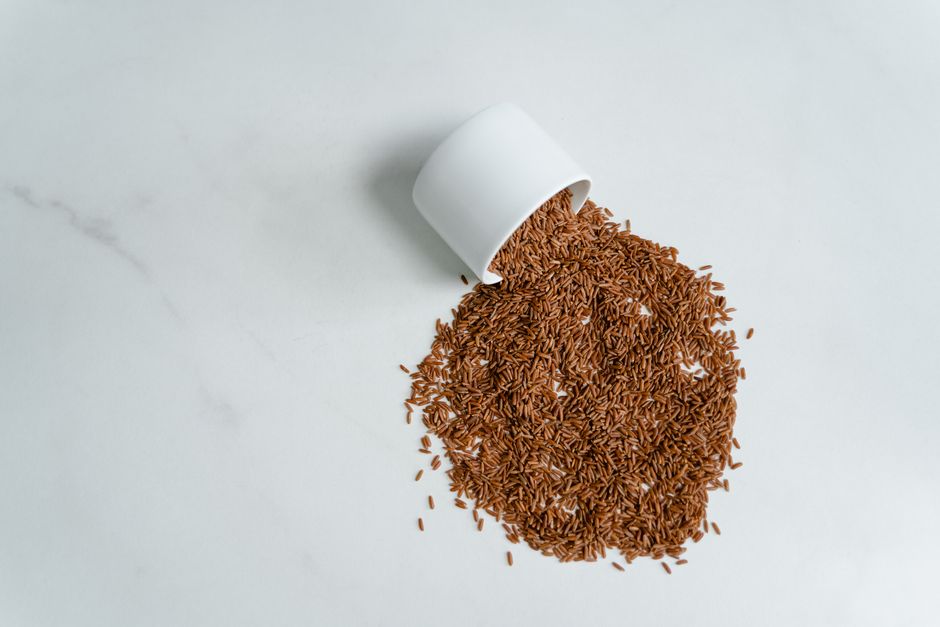
Most people assume brown rice is the automatic winner for weight loss, but the real answer depends on more than just color. The truth is that is white or brown rice better for weight loss comes down to portion control, fiber content, and your overall daily calorie intake. Both types of rice can fit into a weight loss plan, but they behave differently in your body.
Brown rice keeps its outer bran layer, which adds fiber and slows digestion. White rice has that layer removed, so it digests faster and can leave you hungry sooner. Neither grain is “bad,” but understanding how each affects your appetite and blood sugar helps you make the smarter choice for your goals.
Most generic advice says “always choose brown,” but that oversimplifies things. You might prefer white rice for taste or digestion reasons, and that’s okay. This article breaks down the actual calorie differences, the satiety research, and practical ways to eat either type without sabotaging your progress.
Key Points at a Glance
| Point | What It Means | Why It Matters |
|---|---|---|
| Calorie difference | Brown and white rice have nearly identical calories per cup | Portion size matters more than rice color |
| Fiber content | Brown rice has about 3.5 grams of fiber per cup, white has less than 1 gram | Fiber increases fullness and slows digestion |
| Glycemic impact | White rice raises blood sugar faster than brown rice | Stable blood sugar helps control cravings |
| Practical choice | The best rice is the one you can portion control consistently | Sustainability beats perfection for long-term results |
What Is the Actual Calorie Difference Between White and Brown Rice?
Cooked brown rice contains roughly 215 calories per cup, while white rice comes in around 205 calories per cup. That ten-calorie gap is so small it makes no practical difference for weight loss. The real issue is that most people eat far more than one cup of rice at a meal.
I always measure rice before cooking rather than after. A quarter cup of dry rice makes about three-quarters of a cup cooked, and that’s a reasonable single serving. It’s easy to double that without noticing, and that’s where the calories add up regardless of which type you choose.
Practical tip: Use a food scale for rice at least once to see what a true serving looks like on your plate. Most people are surprised by how small it actually is.
Is White or Brown Rice Better for Weight Loss When It Comes to Fullness?
Brown rice wins on the satiety front because of its fiber content. Fiber slows stomach emptying, which means you feel full longer after eating brown rice compared to white rice. Some studies suggest that people naturally eat less at their next meal when they choose higher-fiber grains.
White rice digests quickly, and many people find themselves hungry within a couple of hours. That’s not a moral failing — it’s just how refined grains work in the body. If you pair white rice with protein and vegetables, you can still build a satisfying meal that keeps hunger at bay.
My personal observation after years of writing about nutrition: clients who choose brown rice rarely complain about mid-afternoon cravings. Those who eat white rice often add a snack they didn’t plan for. The rice itself isn’t the problem — it’s what happens two hours later.
How Does Blood Sugar Response Affect Your Weight Loss Efforts?
White rice has a higher glycemic index than brown rice, meaning it spikes blood sugar more quickly. When blood sugar rises fast, insulin follows, and that hormonal response can promote fat storage and trigger hunger soon after eating. Brown rice’s slower digestion keeps blood sugar steadier.
That said, the glycemic response to rice varies by preparation method. Cooling cooked white rice and reheating it increases resistant starch, which lowers its glycemic impact. This is a practical trick if you prefer white rice but want to blunt the blood sugar effect.
One thing I’ve noticed in my own kitchen: leftover rice of any color behaves differently than fresh rice. Letting it cool overnight changes the starch structure, and reheated rice doesn’t spike blood sugar as dramatically. If you’re a white rice fan, cooking it ahead and refrigerating it is a simple workaround.
Which Rice Should You Choose for Sustainable Weight Loss?
The honest answer is that the best rice for weight loss is the one you can eat in controlled portions consistently. If you hate the texture of brown rice, forcing yourself to eat it will probably lead to giving up on healthy eating altogether. White rice eaten in reasonable amounts with plenty of vegetables and lean protein is a perfectly viable weight loss food.
Research consistently shows that total calorie intake drives weight loss, not the specific carbohydrate source. A diet that includes white rice can work as long as you’re in a calorie deficit. The fiber advantage of brown rice is real, but it doesn’t override the fundamental math of energy balance.
Practical tip: Try a 50-50 mix of brown and white rice when you cook. You get the fiber benefits of brown rice with the texture you prefer from white rice, and it’s easier to transition gradually.
What Role Does Portion Size Play in Rice and Weight Loss?
Portion size is the single biggest factor in whether rice helps or hurts your weight loss efforts. A standard serving of cooked rice is about half a cup, which is roughly 100 calories. Most restaurant servings are three to four times that amount.
Using a smaller plate, measuring your rice before eating, and filling half your plate with vegetables are all effective strategies. These habits matter more than whether you choose brown or white rice. Your total daily calorie intake determines weight loss, not any single food choice.
I always tell readers to think of rice as a side dish, not the main event. If you build your meal around protein and vegetables first, then add rice as a complement, you’ll naturally eat less of it. That simple shift in meal structure does more for weight loss than switching rice colors ever will.
If you want to calculate how rice fits into your personal calorie needs, use our TDEE Calculator to find your maintenance calories first. From there, you can plan your meals with accurate portion sizes that support your goals.
Related Articles
Frequently Asked Questions
Does brown rice have significantly more calories than white rice?
No, the difference is roughly 10 calories per cooked cup. Portion size matters far more than the type of rice you choose.
Can I eat white rice every day and still lose weight?
Yes, as long as you stay within your total daily calorie target. White rice can fit into a weight loss diet when portions are controlled.
Is brown rice better for blood sugar control?
Yes, brown rice has a lower glycemic index due to its fiber content. This means it causes a slower, smaller rise in blood sugar compared to white rice.
Will eating brown rice make me feel fuller than white rice?
Most people find brown rice more satisfying because of its higher fiber content. The fiber slows digestion and keeps you feeling full longer.
Should I avoid rice completely to lose weight?
No, rice can be part of a healthy weight loss diet. The key is portion control and balancing it with protein and vegetables.

The TDEECAL Team writes about nutrition, metabolism, and fat loss the way we built our calculator, with real numbers and no hype. We dig into the research so you don’t have to guess.