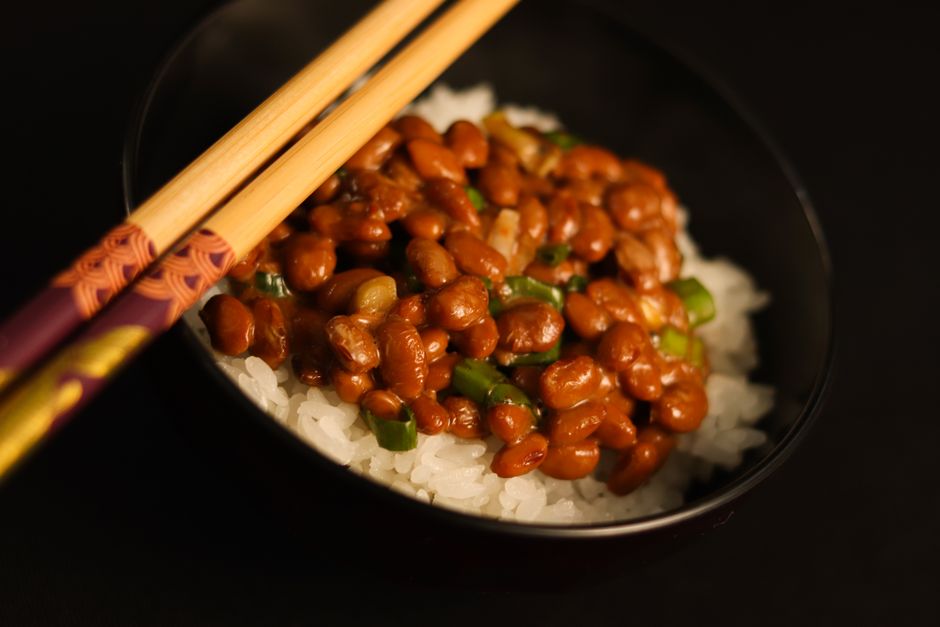
Most people assume rice is just empty carbs, but that assumption misses the full picture. White rice contains about 4 grams of protein per cooked cup, while brown rice offers closer to 5 grams — a real but modest amount that won’t move the needle much on its own.
Is rice high in protein? No. Rice is not high in protein. A cooked cup of white rice provides roughly 4 grams of protein, and brown rice provides about 5 grams. For context, a large egg delivers 6 grams in a fraction of the calories. Rice can still fit into a weight loss plan, but you cannot rely on it as a primary protein source.
This matters because so many women in their 40s and 50s build meals around rice without realizing how much protein they are actually missing. When you pair rice with the wrong sides, you end up with a plate that spikes blood sugar and leaves you hungry an hour later.
This article breaks down the real protein numbers, how rice compares to other grains, and the practical way to keep rice in your diet while still hitting your weight loss goals. You will also get a clear answer on portion sizes and the protein target that actually supports fat loss.
Key Points at a Glance
| Point | What It Means | Why It Matters |
|---|---|---|
| Protein content | 4–5 grams per cooked cup | Too low to count as a protein source |
| Calorie density | About 200 calories per cooked cup | Easy to overeat without realizing it |
| Best pairing | Chicken, fish, beans, or tofu | Balances the meal and boosts satiety |
| Portion control | Half to three-quarters cup cooked | Keeps calories in check while losing weight |
| Brown vs. white | Brown has more fiber, similar protein | Fiber helps you feel full longer |
How Much Protein Do You Actually Need for Weight Loss?
The research consistently points to a protein target of 1.2 to 1.6 grams per kilogram of body weight when you are actively trying to lose fat. For a 160-pound woman, that works out to roughly 87 to 116 grams of protein per day. That is a substantial number that rice alone cannot touch.
To hit that target with rice as your base, you would need to eat more than 20 cups of cooked rice in a single day. That is not realistic or healthy. Your protein needs to come from foods that actually deliver it — poultry, fish, eggs, dairy, beans, lentils, and tofu.
A practical shift I make in my own kitchen: I cook a batch of rice for the week, but I always portion it into half-cup servings before storing. That way the rice is ready, but the portion is already decided. It removes the guesswork when you are tired at dinner time.
Practical tip: Before you plate rice, put your protein on the plate first. Fill half your plate with vegetables, a quarter with protein, and only then add rice to the remaining quarter. This simple order forces the right proportions without weighing anything.
Is Rice High in Protein Compared to Other Grains?
Rice sits in the middle of the grain protein spectrum. Quinoa delivers about 8 grams per cooked cup, far outpacing rice. Amaranth and teff are even higher, though harder to find in regular grocery stores. Barley and farro both beat rice on protein too.
White rice and brown rice have nearly identical protein content. The real difference is fiber — brown rice keeps its bran layer, giving you about 3.5 grams of fiber per cooked cup versus less than 1 gram in white rice. That fiber changes how full you feel after a meal.
One observation from years of meal planning: clients who switch to quinoa or farro rarely notice the swap in flavor, but they consistently report feeling satisfied longer. The extra fiber and protein make a measurable difference in hunger between meals.
Can You Eat Rice and Still Lose Weight?
Yes, absolutely. Rice is not the enemy of weight loss. What matters is the total calorie picture and how rice fits into it. Research consistently shows that no single food determines weight loss — your overall calorie intake versus expenditure does.
The trap is portion size. A typical restaurant serving of rice is two to three cups. That alone can be 400 to 600 calories before you add anything else. At home, measuring a half-cup to three-quarters cup of cooked rice keeps you in a reasonable range of 100 to 150 calories.
There is also a difference in how your body processes rice depending on how it is prepared. Cooling cooked rice in the refrigerator overnight increases its resistant starch content, which means fewer digestible calories. Reheating it the next day preserves that effect, making leftover rice a slightly better choice than fresh.
I always keep a container of cooled rice in my fridge for this reason. It is not a magic bullet, but every small advantage counts when you are working toward a goal.
Practical tip: Use your TDEE calculator to find your maintenance calories, then subtract 300 to 500 calories for weight loss. That number tells you exactly how much rice fits into your day without pushing you over your target.
What Should You Pair With Rice for a Protein-Rich Meal?
The smartest move is to treat rice as a side dish, not the centerpiece. A half-cup of rice paired with 4 ounces of chicken breast gives you about 30 grams of protein for roughly 300 calories. That is a balanced meal that will hold you for hours.
Vegetarian options work just as well. A half-cup of rice with a cup of cooked lentils delivers around 20 grams of protein and 12 grams of fiber. Add some roasted vegetables and you have a complete meal that supports weight loss without feeling restrictive.
For breakfast, leftover rice can be stir-fried with eggs and vegetables for a quick fried rice that packs 15 to 20 grams of protein. This is one of the most practical ways to use leftovers and keep your protein numbers high throughout the day.
Frequently Asked Questions
Related Articles
Is rice high in protein for weight loss?
No, rice is not high in protein, providing only 4 to 5 grams per cooked cup. You need to pair it with protein-rich foods to create a balanced weight loss meal.
How much rice can I eat while losing weight?
Most women can include a half-cup to three-quarters cup of cooked rice per meal and still lose weight. This portion delivers roughly 100 to 150 calories, leaving room for protein and vegetables.
Is brown rice better than white rice for weight loss?
Brown rice has more fiber and a lower glycemic index than white rice, which helps you feel full longer. The calorie difference is minimal, so the real advantage is satiety, not calories.
What is the best protein to eat with rice?
Chicken, fish, eggs, beans, and tofu all pair well with rice and deliver substantial protein. Aim for a palm-sized portion of protein alongside your rice portion for a balanced meal.
Does cooling rice reduce its calories?
Cooling cooked rice increases resistant starch, which your body digests less completely. This can slightly reduce the absorbable calories, though the effect is modest and not a substitute for portion control.
Can I eat rice every day and still lose weight?
Yes, you can eat rice daily and still lose weight if your total calories stay in a deficit. The key is measuring portions and balancing each meal with protein and vegetables.

The TDEECAL Team writes about nutrition, metabolism, and fat loss the way we built our calculator, with real numbers and no hype. We dig into the research so you don’t have to guess.